




Guide to Choosing Skid Steer Attachments for Every Job
Selecting the right skid steer attachments can transform a compact machine into a versatile workhorse. Whether you are a homeowner, small contractor, or farmer, choosing carefully will save time, reduce wear on your equipment, and deliver a better return on your investment.
Start With Your Primary Jobs and Materials
The first step in choosing skid steer attachments is to define what you actually need to accomplish. List your most common tasks over the next 12-24 months, not just what you are doing this week. Consider:
Material type: dirt, gravel, snow, brush, pallets, or manure each favor different tools.
Frequency of use: daily, seasonal, or occasional use influences how much you should invest.
Work environment: tight residential lots, open fields, or construction sites affect the size and style of attachment you can maneuver safely.
When you are clear about your primary jobs, it becomes easier to prioritize attachments that will pay for themselves quickly, rather than buying tools that sit unused in a corner of the yard.
Match Attachments to Your Skid Steer's Specs
Even the best attachment will underperform if it is not properly matched to your skid steer. Before purchasing, review your machine's:
Rated operating capacity (ROC):ensures the attachment and load stay within safe lifting limits.
Hydraulic flow and pressure:high-flow attachments, such as cold planers and heavy-duty brush cutters, require compatible auxiliary hydraulics.
Coupler type:most modern machines use a universal quick-attach system, but older or proprietary couplers may limit your options.
Pro Tip:When in doubt, ask the dealer for the attachment's required flow and pressure, and compare it to your skid steer's hydraulic chart. Running a high-demand tool on a low-flow machine leads to poor performance and premature wear.
Essential Attachment Categories and When to Use Them
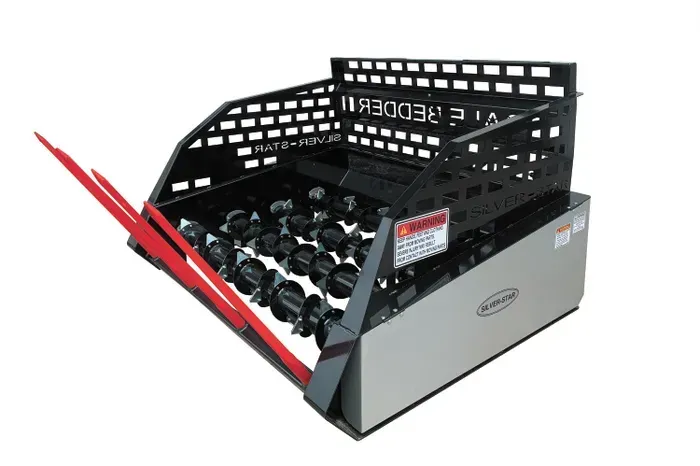
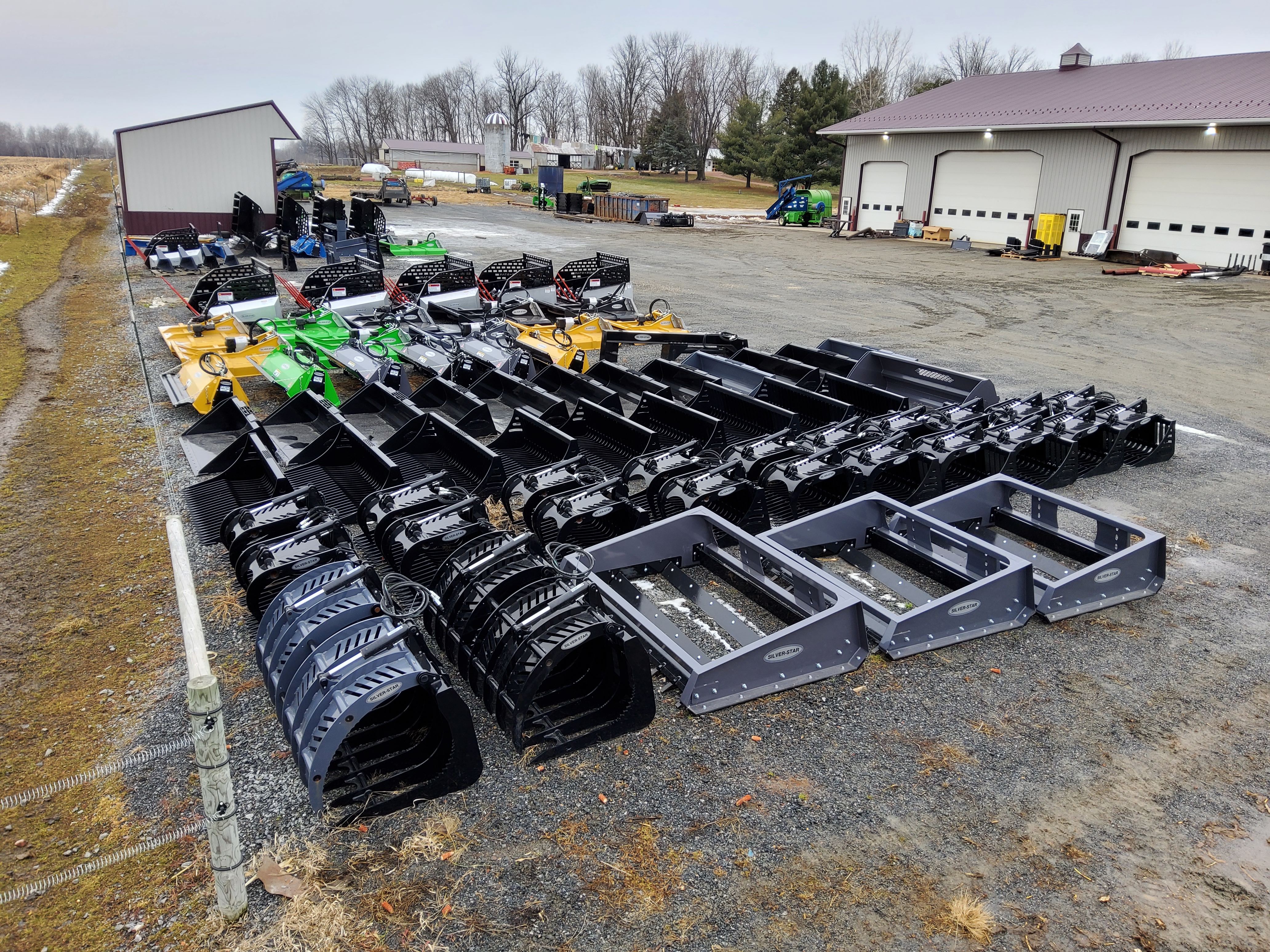
While there are dozens of specialized tools, most individuals start with a core set of attachments that cover everyday tasks efficiently.
Buckets: General-Purpose, Dirt, and Specialty
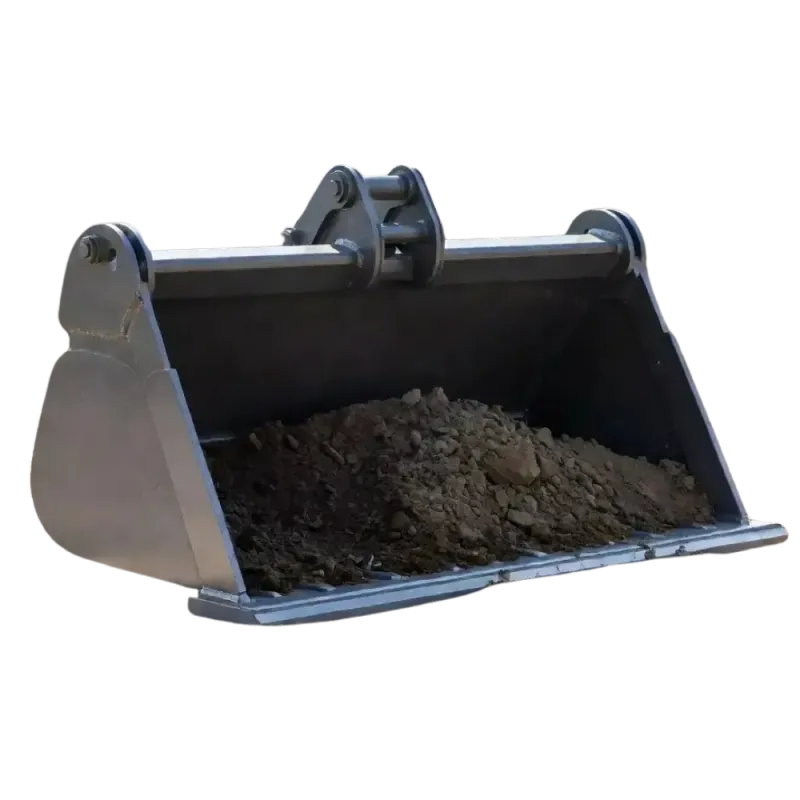
A bucket is usually the first attachment you will own.General-purpose buckets handle light dirt work and snow.Dirt buckets are deeper and stronger, ideal for digging and loading soil or gravel. For more focused tasks, consider:
4-in-1 buckets that open and clamp for grading, grappling, and dozing.
Rock buckets with tines that sift soil while retaining larger stones.
Pallet Forks: Versatile Material Handling
Pallet forks turn your skid steer into a compact forklift. They are ideal for moving building materials, feed, seed, and bulk bags. Look for adjustable forks with clearly marked capacity ratings, and ensure the frame provides adequate visibility for precise placement in tight spaces.
Grapples and Brush Attachments
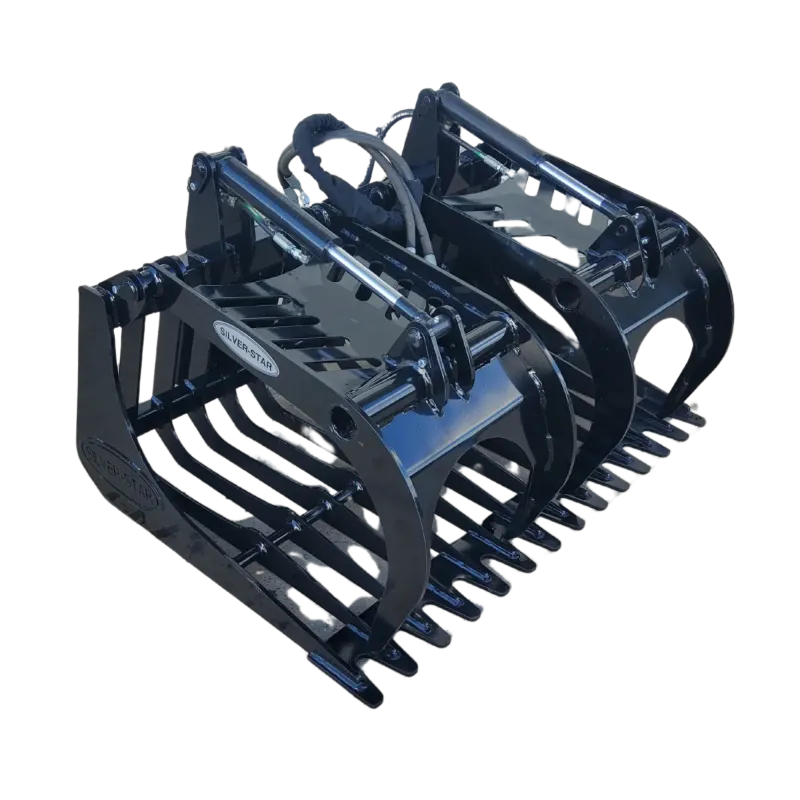
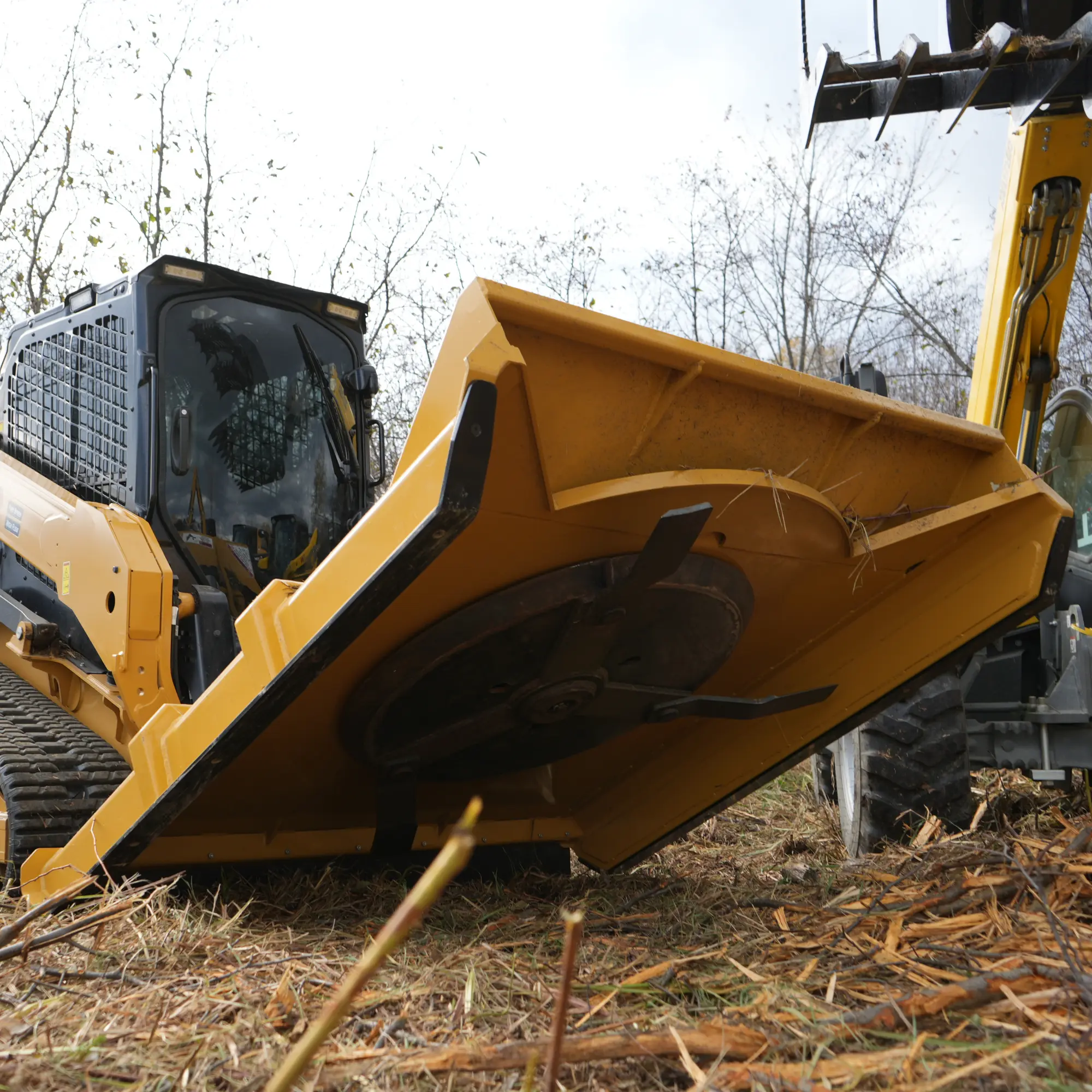
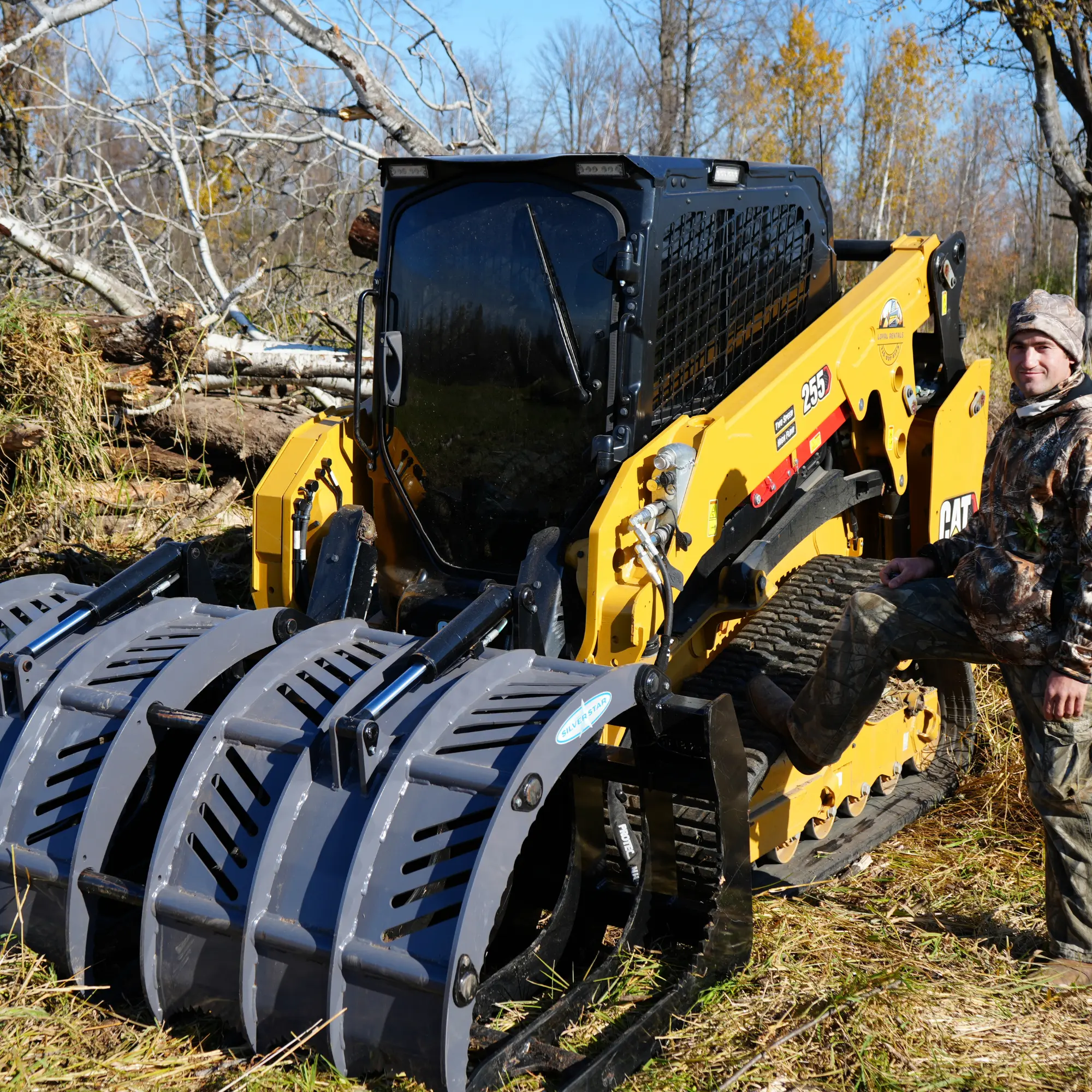
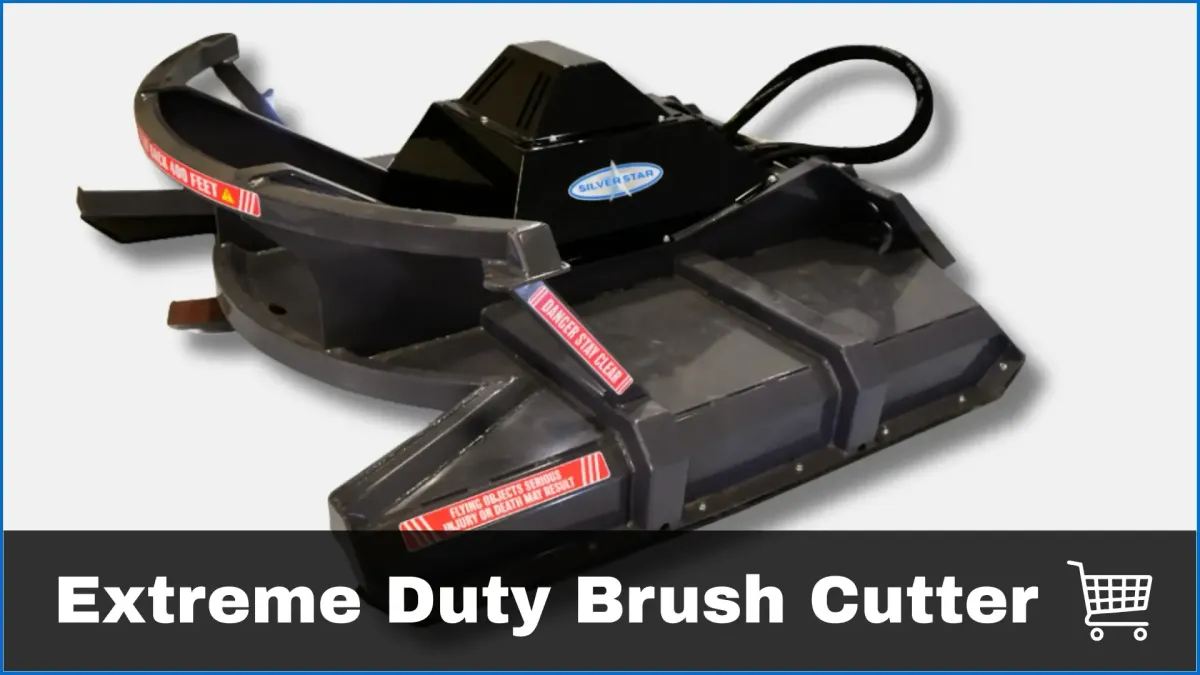
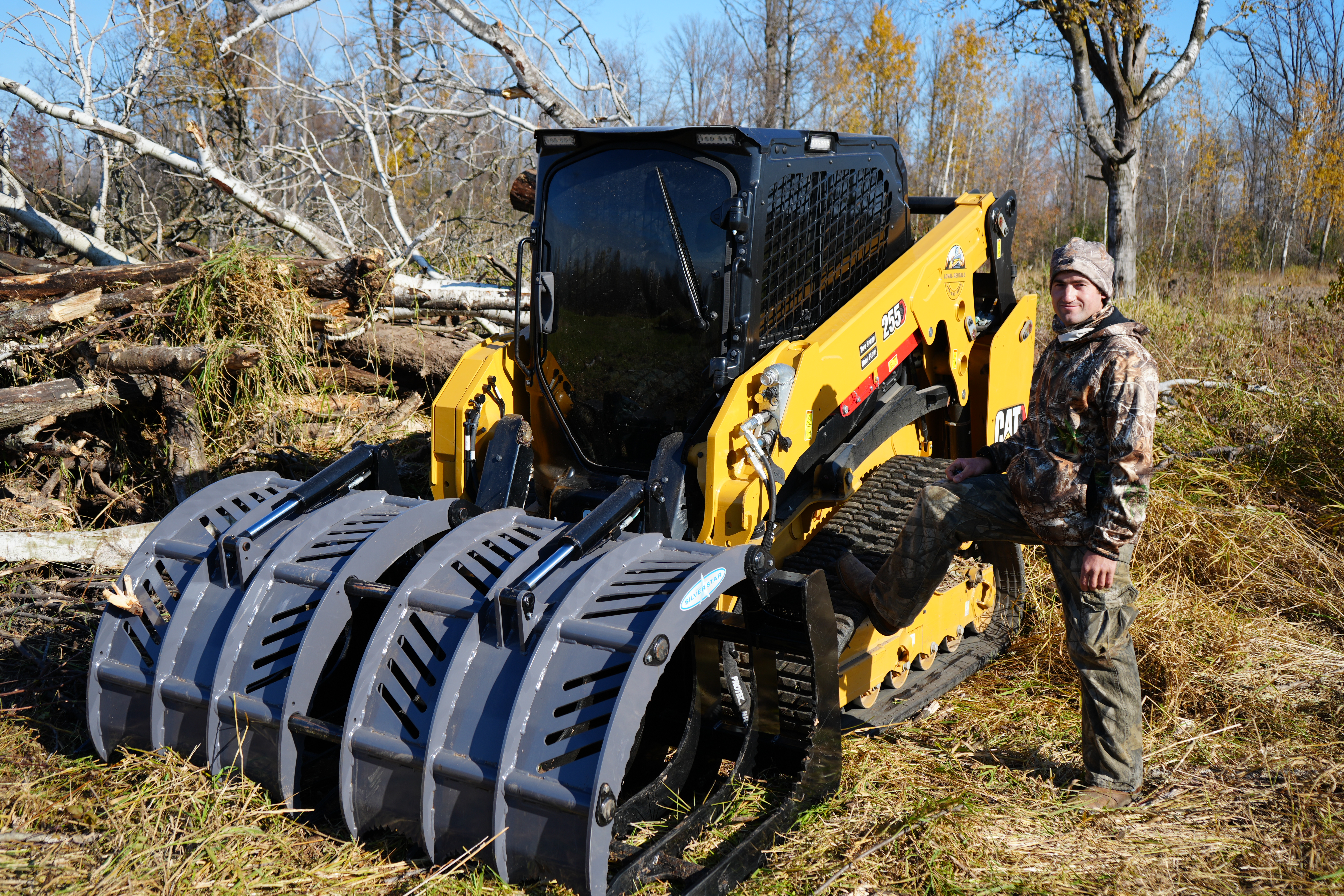
If you frequently clear storm damage, remove fence lines, or handle loose debris, a grapple bucket or root grapple can dramatically speed up the work. For vegetation management, brush cutters and mulchers tackle tall grass, saplings, and undergrowth. These tools are demanding, so double-check hydraulic requirements before purchasing.
Snow and Ground-Engaging Tools
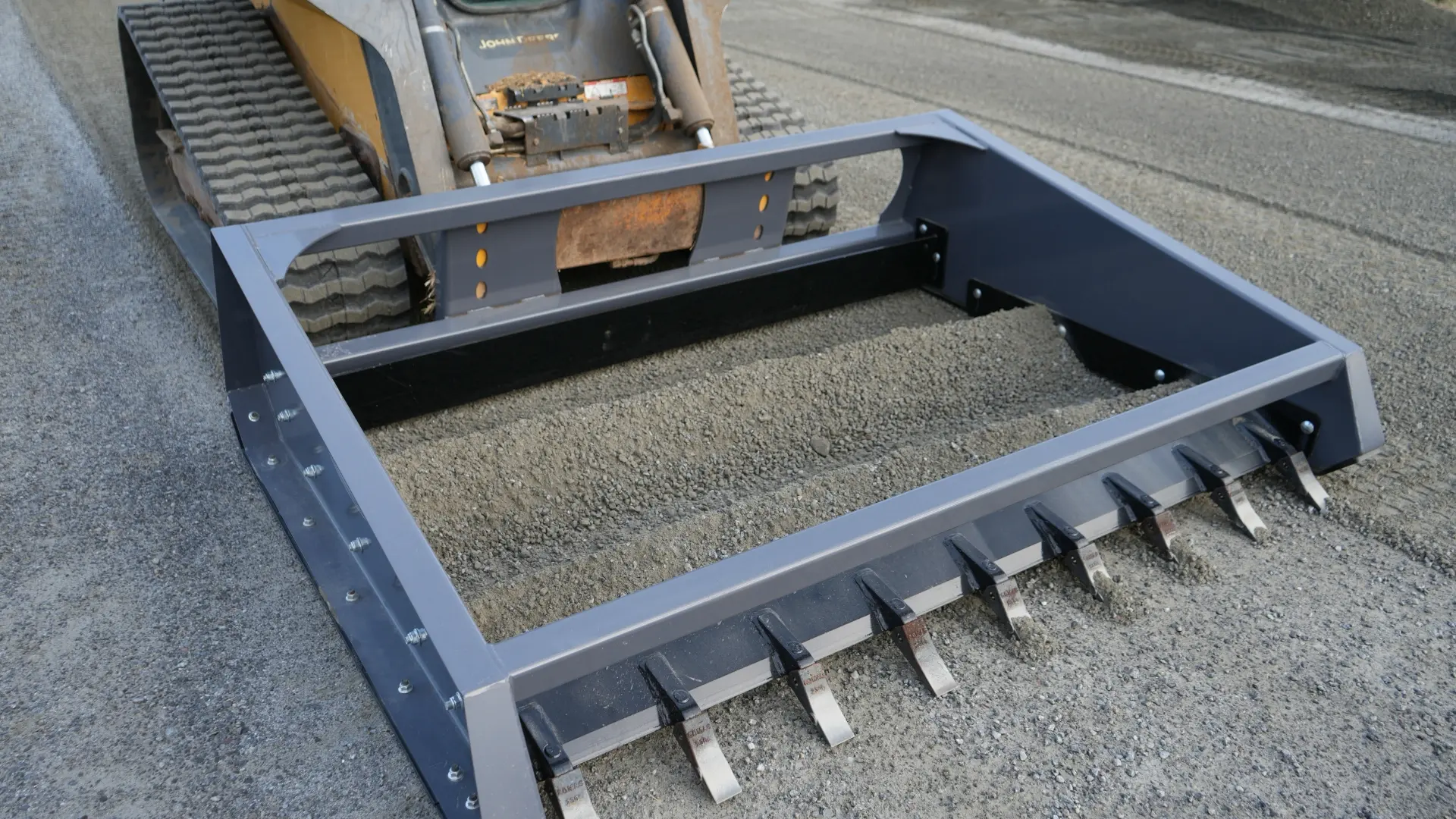
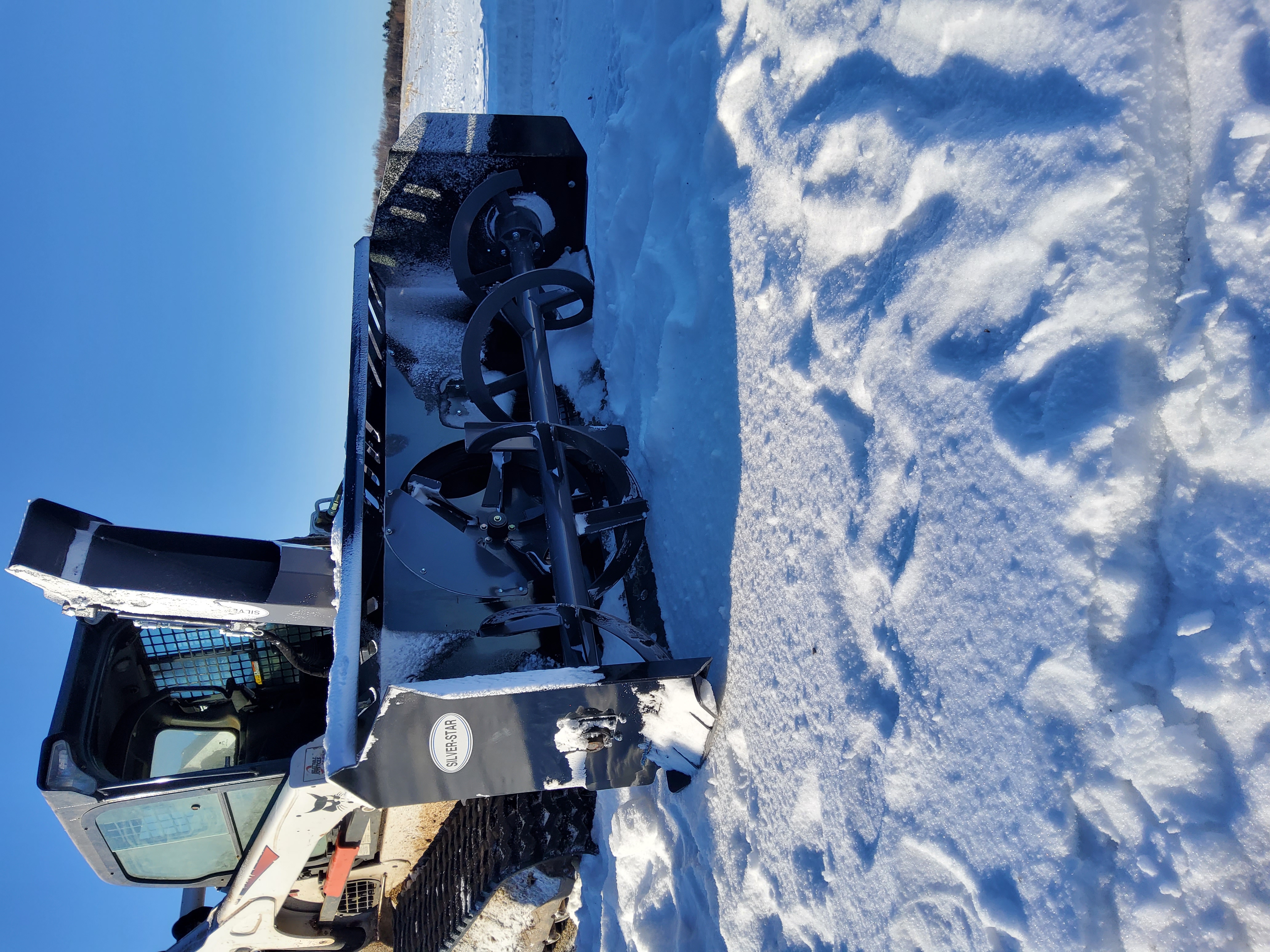
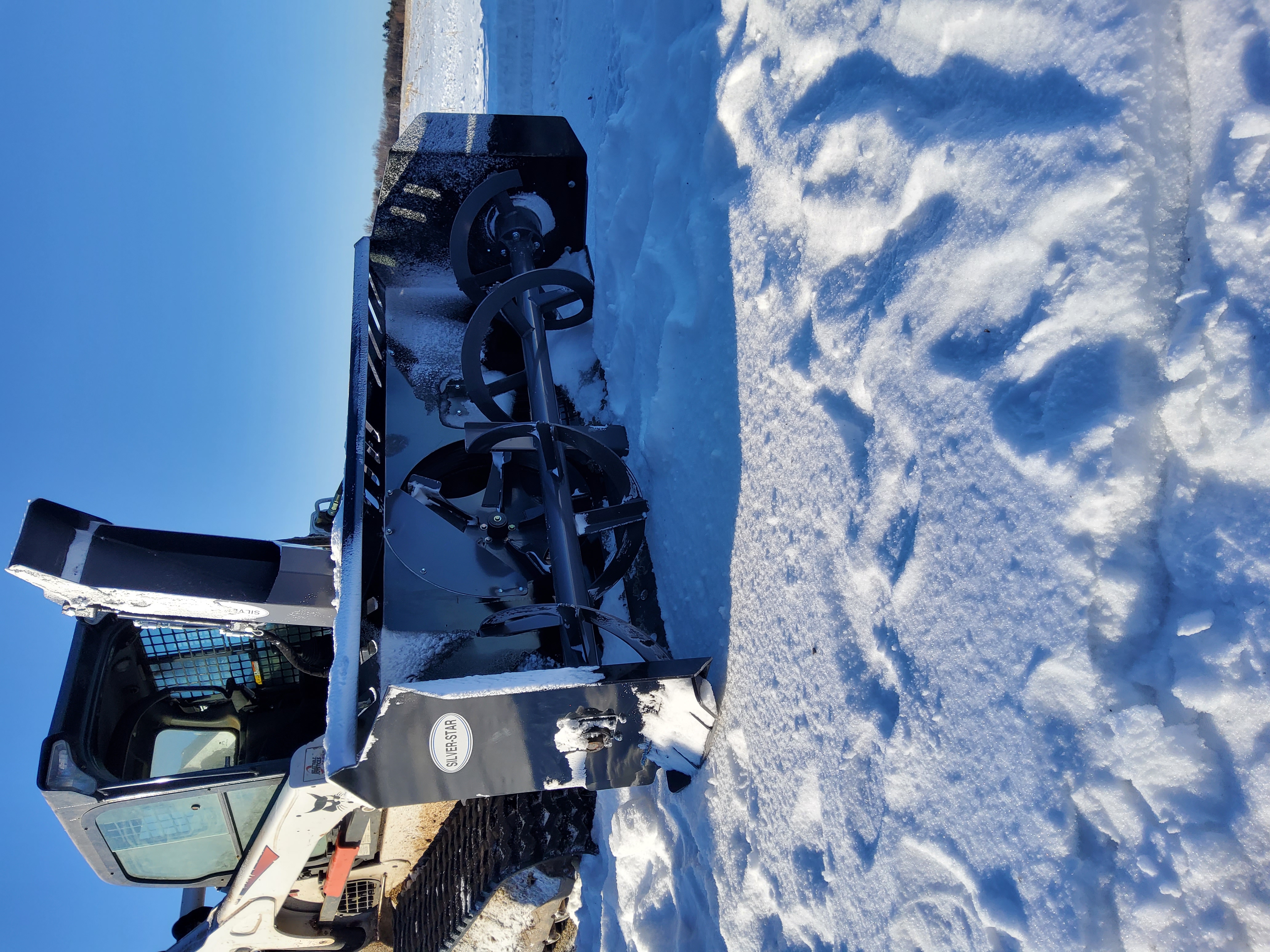
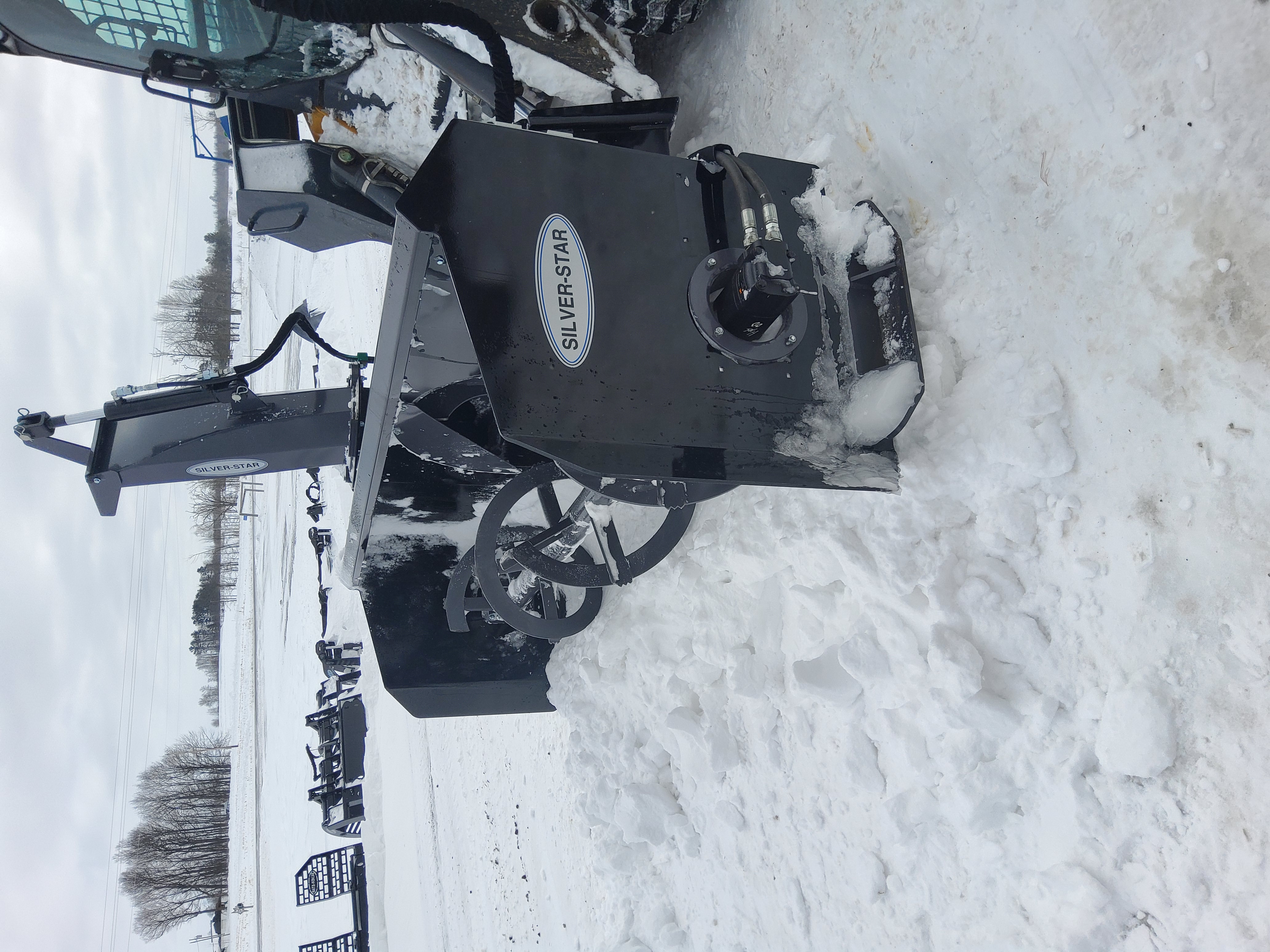
In colder climates, snow pushers, angle blades, and snow blowers keep driveways and lots clear. For grading and soil preparation, consider box blades, power rakes, and land levelers. These attachments help create smooth, consistent surfaces for lawns, pads, and driveways.
Quality, Compatibility, and Total Cost of Ownership
Not all attachments are built to the same standard. Lower-cost options may be tempting, but thin steel, poor welds, and undersized pins can lead to downtime and expensive repairs. When comparing brands, evaluate:
Steel thickness and reinforcementin high-stress areas such as cutting edges and hinge points.
Grease points and service accessthat make routine maintenance straightforward.
Warranty coverageand local support for parts and repairs.
Consider the total cost of ownership, not just the purchase price. A well-built attachment that lasts for years and maintains good resale value often costs less over time than a cheaper tool that fails prematurely.
Safety, Training, and Buying Strategy
Finally, every attachment decision should include safety and operator training. Read the manufacturer's instructions, ensure guards and shields are in place, and verify that quick-attach mechanisms are fully locked before lifting or traveling. For high-risk tools like brush cutters and augers, establish clear work zones and keep bystanders well away from the machine.
From a purchasing standpoint, it is often wise to start with a small, high-value set of attachments, such as a quality bucket, pallet forks, and one task-specific tool, then expand as your needs become clearer. Renting specialized attachments for occasional jobs can help you evaluate performance before committing to a purchase.
By carefully matching attachments to your work, machine specifications, and budget, your skid steer can become one of the most productive and versatile pieces of equipment you own.
Frequently Asked Questions About Skid Steer Attachments
What attachments should I buy first for a new skid steer?
Most owners start with a general-purpose or dirt bucket and a set of pallet forks. This combination lets you handle digging, loading, and basic material handling right away, then you can add grapples, brush cutters, or grading tools as your work demands grow.
Can I use high-flow attachments on a standard-flow skid steer?
No.High-flow attachments are engineered for higher hydraulic outputand will underperform, or even be damaged, on a standard-flow machine. Always match the attachment's required flow and pressure to your skid steer's hydraulic specifications before purchase.
Do all skid steer attachments use the same quick-attach system?
Most modern machines use a universal quick-attach (QA) plate, so many attachments are cross-compatible between brands. However, older units or specialty machines may use proprietary couplers, so verify your coupler type before ordering any attachment.
Is it better to rent or buy specialized attachments?
If you only need a tool a few times a year, such as a cold planer, stump grinder, or large mulcher, renting is often more cost-effective. Renting lets you test performance on your machine and confirm demand before committing capital to a purchase.
How do I know if an attachment is high enough quality?
Look for thick, well-braced steel, clean welds, protected hoses, and easily accessible grease points. Reputable manufacturers back their products with clear warranty terms and have local parts and service support, which reduces downtime over the life of the attachment.