






How Heavy-Duty Rock Buckets Transform Field Clearing Efficiency
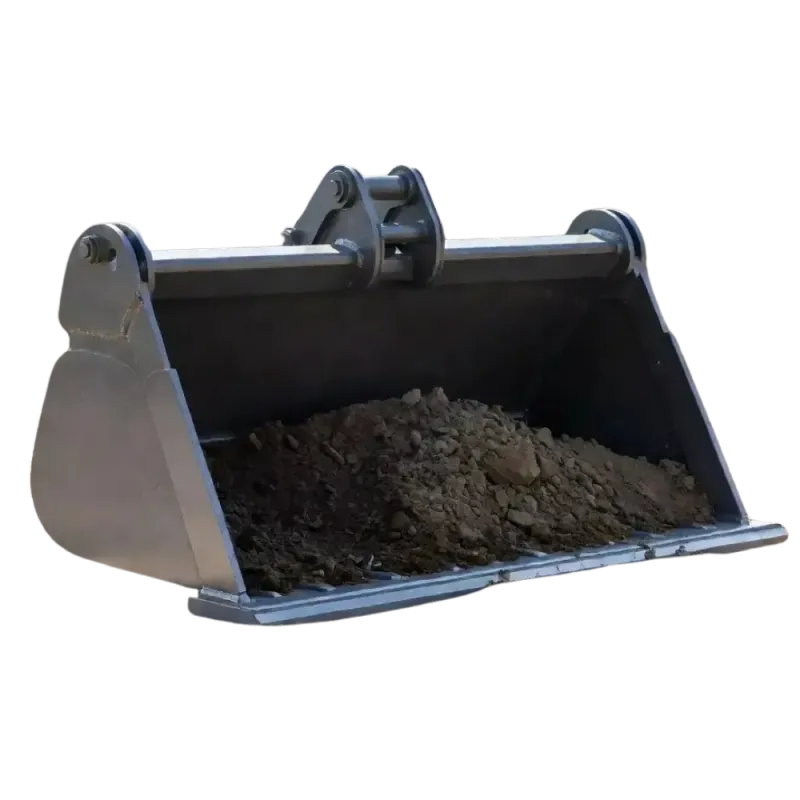
Heavy-duty rock buckets cut field-clearing time roughly in half by eliminating the "double-dig" cycle that standard buckets cause in rocky or hard-packed soil. A half-acre lot that takes two full 8-hour days with a standard bucket typically drops to 5-7 hours with a reinforced rock bucket, thanks to tighter tine spacing (3-inch) and AR400 cutting edges that grab 2-3x more material per pass without spilling. For contractors billing by the job, that time savings alone can add $30,000-$75,000 in extra revenue over a season by freeing up capacity for more jobs, not by charging more per job.
Your standard bucket still works. The same way a rusty old truck still gets you to work. It moves, but it's costing you every mile.
When an operator shows up to a rock-clearing job with a standard bucket instead of a heavy-duty rock bucket, the first thing that starts bleeding money isn't the extra hours. It's the excessive wear and tear on bucket edges and teeth.
A standard bucket has thinner lips and no reinforced cutting edge. When you're scraping and prying rocks out of hard-packed dirt or clay, the lip rounds off fast. Within a few jobs, you're losing material-handling efficiency. Rocks slip out more. You end up double-digging everything.
That accelerated wear means replacing or rebuilding bucket teeth and edges every couple months instead of once a season, adding $500-$1,500 in parts and downtime per year that a heavy-duty rock bucket with AR400 cutting edges avoids entirely.
The Double-Dig Trap
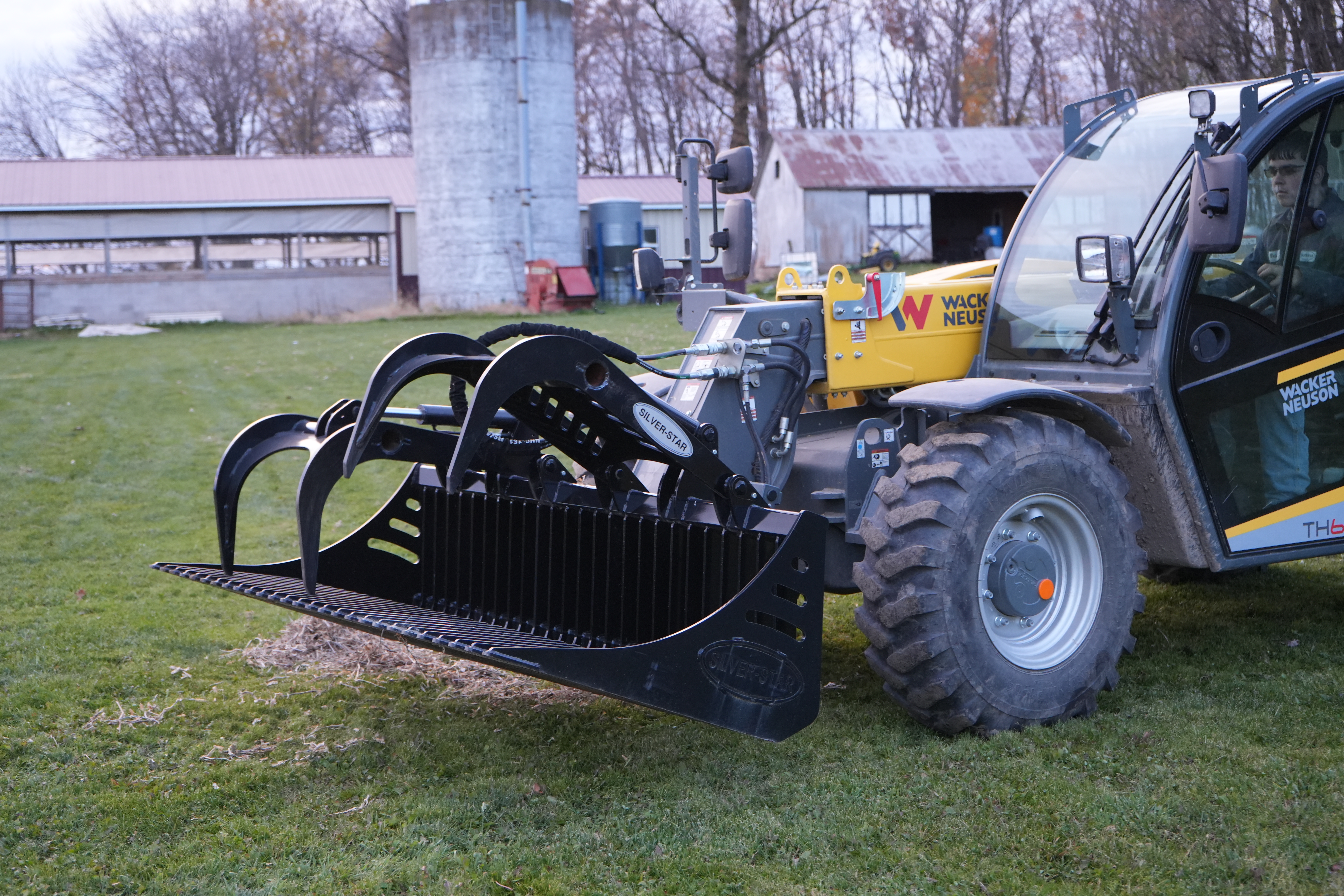
Double-digging looks like this: you scoop a load of dirt and rocks. Because the bucket edge is rounded and teeth are worn, half the material slips back out as you lift. You drop the partial load, back up, reposition, and dig again.
Each failed pass adds 30-60 seconds of repositioning, shaking, and re-digging. By the end of the day, a four-hour job stretches to eight because you're fighting the tool instead of the ground.
Industry data shows that experienced operators can achieve up to 40% higher productivity than novice operators on the same machine. But when the equipment itself is working against you, even the best operator can't overcome the handicap.
The Real Numbers Behind Time Savings
On a half-acre lot packed with embedded fist-sized rocks and clay soil, operators used to budget two full 8-hour days with a standard bucket.
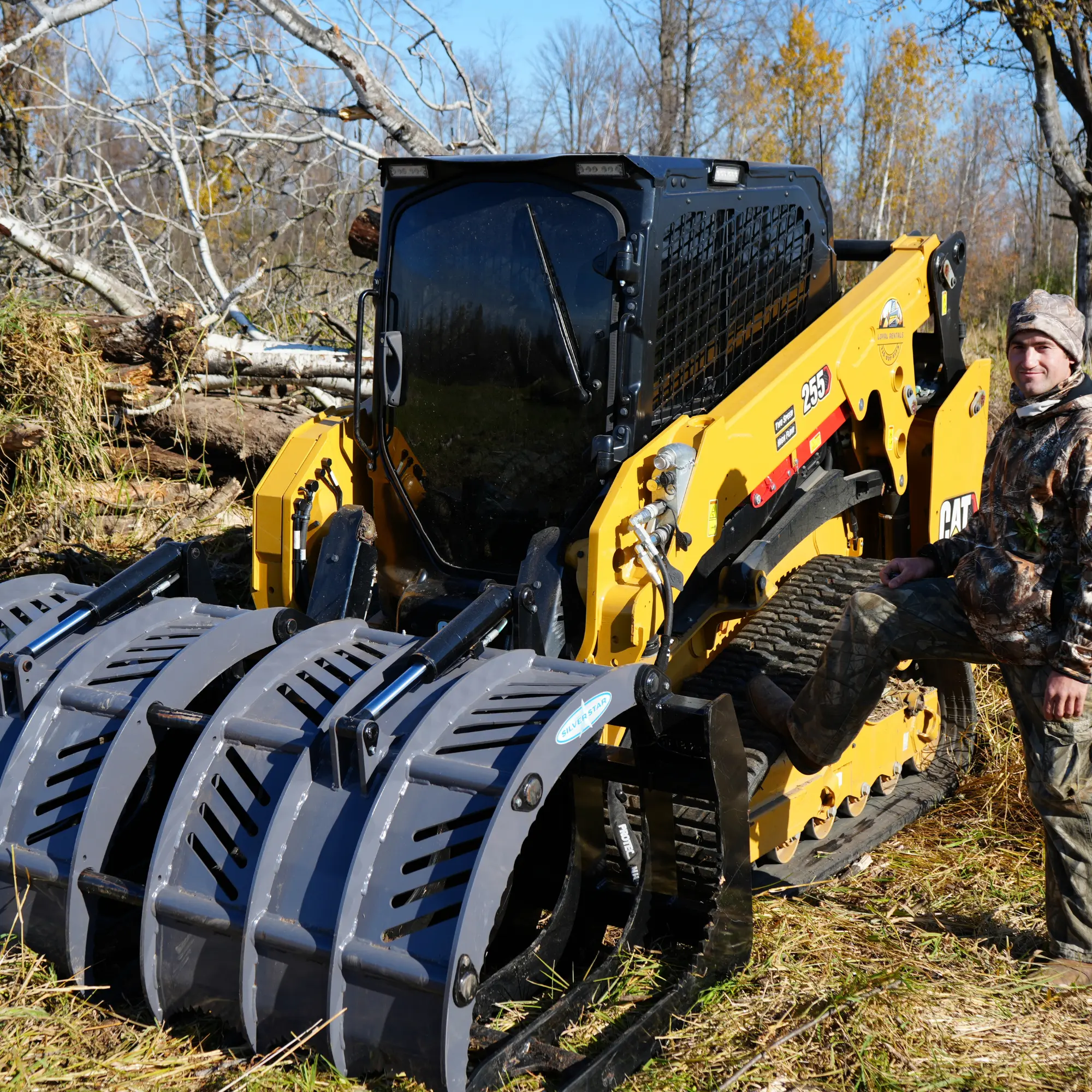
With a Silver Star heavy-duty rock bucket, that same job drops to 5-7 hours total. The numbers driving it are simple:
The 3-inch tine spacing and AR400 reinforced edges let you grab 2-3 times more material per pass without loss
Repositioning time drops by 60-70%
You eliminate the extra hour per section spent fighting slippage or packed clay
The Hidden Revenue Opportunity
If you reclaim 9-11 hours per half-acre rock-clearing job, you can finish in one day instead of two and still bill the client the full two-day rate. That's typically $1,500-$2,500 per day fora skid steer and operatorin most markets.
Run 20-30 of those jobs over a 30-week season, and the time savings alone compound into$30,000-$75,000 in additional revenueyou would've left on the table.
The Physical and Mental Toll
The double-dig cycle doesn't just burn hours. It grinds you down physically and mentally in ways that quietly kill the business long-term.
Physically:constant jerking of the controls and twisting to look back for eight-plus hours leads to chronic shoulder, neck, and lower-back strain. Industry research confirms that ergonomic injuries result in 38% more lost workdays compared to the average workplace injury.
Mentally:the frustration of re-digging the same pile and falling behind schedule builds quiet resentment and burnout, which eventually shows up as higher turnover and a reputation for being "always behind."
The Engineering That Makes the Difference
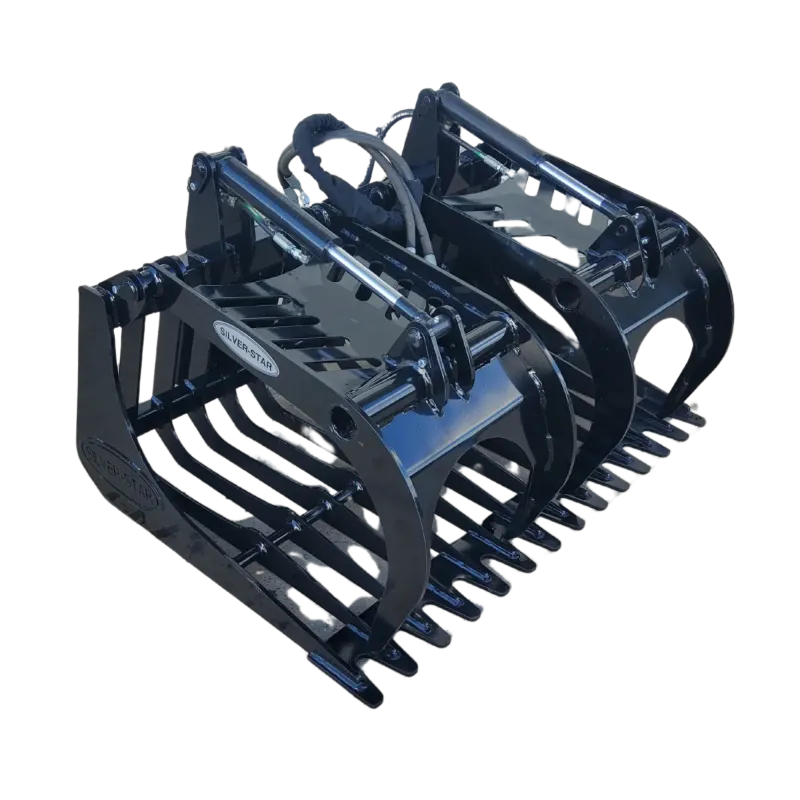
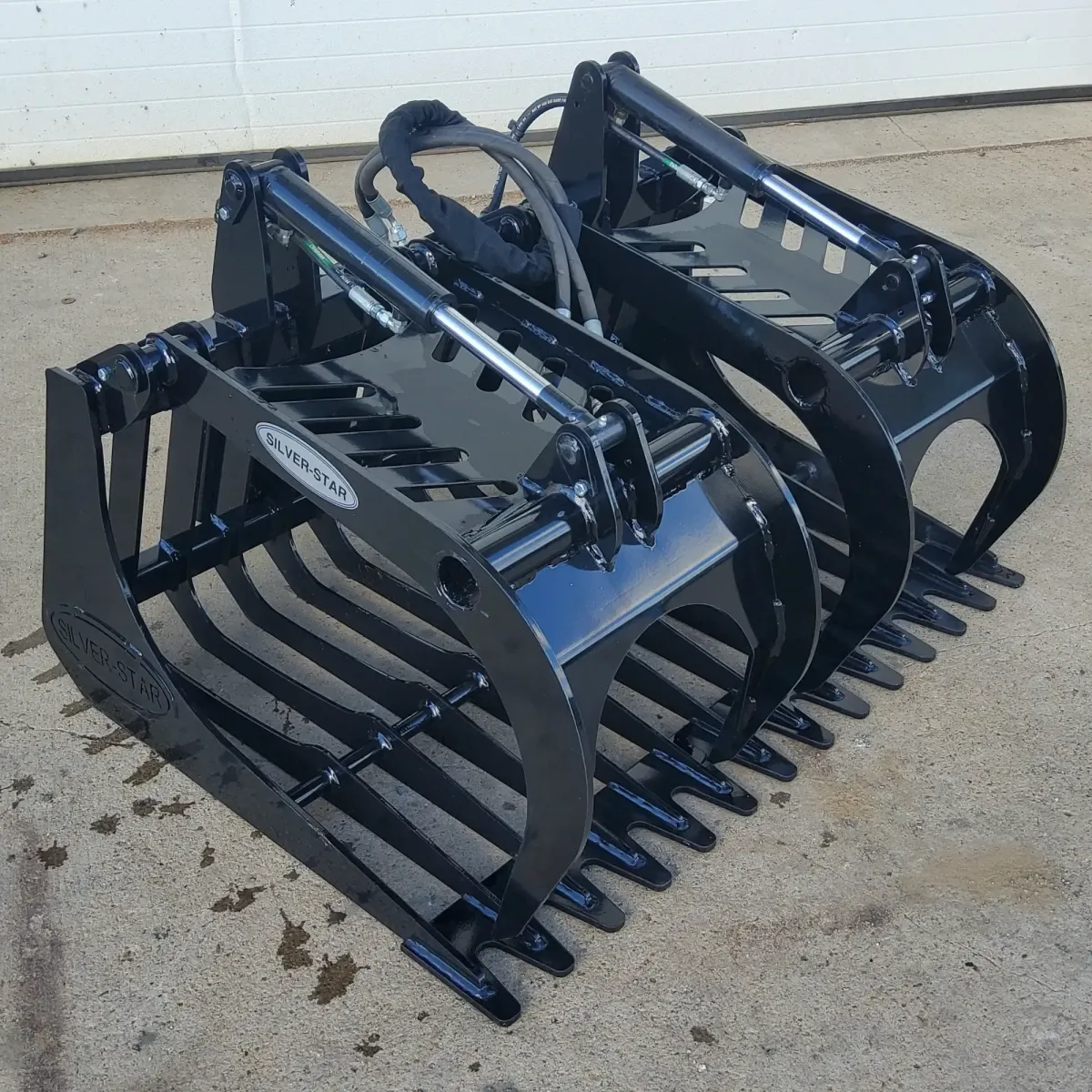
The single biggest fatigue-fighter is the 3-inch tine spacing married to a low-profile curved lip. This combination creates a self-cleaning scoop that locks rocks in place while letting dirt fall through in one smooth motion.
Mike's Story: From Surviving to Thriving

A landscaper named Mike in Ohio used to dread rock jobs. After switching to a Silver Star heavy-duty rock bucket last spring, he finished a half-acredrivewayclear in one day instead of two.
He stopped turning down small residential rock jobs because they no longer drained him. He even addeda second mini skid steerto handle more tight-access gigs, growing his revenue by about 25% this season.
What a Heavy-Duty Rock Bucket Actually Does
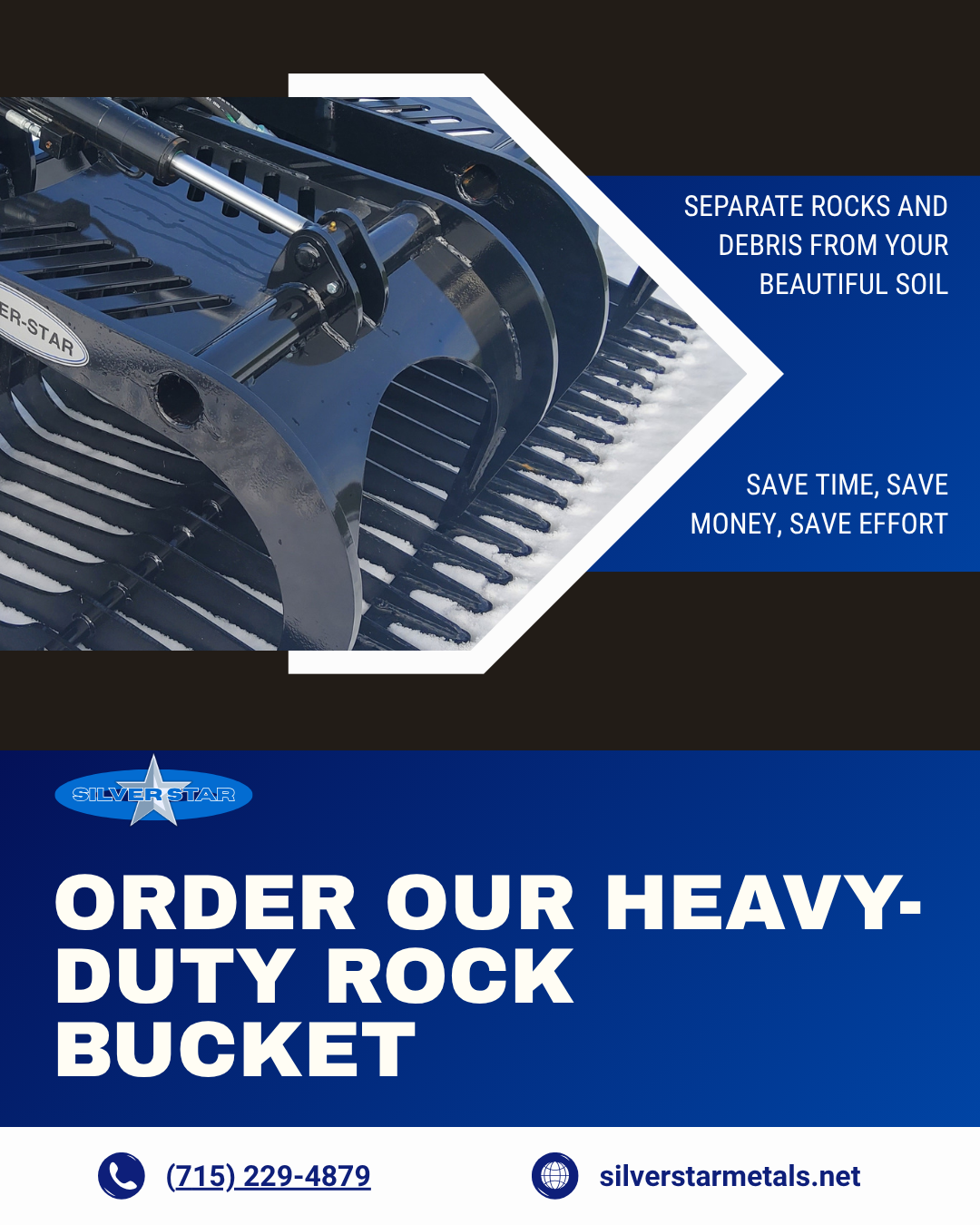
The right rock bucket ends the fight:
One clean pass instead of endless double-digging
Jobs that finish in half the time
More money in the bank
The freedom to say yes to the work you used to avoid
We engineer our attachments with AR400 steel, precision fabrication, and thoughtful design because we know what happens on the job site. Built to last. Made in America.
Frequently Asked Questions About Heavy-Duty Rock Buckets
How much faster is a heavy-duty rock bucket than a standard bucket?
On rocky or hard-packed ground, a heavy-duty rock bucket typically cuts a two-day job to 5-7 hours by eliminating the double-dig cycle standard buckets cause when rocks slip out.
What tine spacing should I look for on a rock bucket?
A 3-inch tine spacing is the sweet spot for most field-clearing work: tight enough to retain fist-sized rocks while letting fines sift through in one shake.
Is a heavy-duty rock bucket worth the cost for occasional rock jobs?
If you run even 10-15 rock-clearing jobs a season, the time saved from ending double-digging typically pays back the cost of a heavy-duty rock bucket within the first few jobs.
What steel grade should a rock bucket's cutting edge use?
AR400 steel resists the wear rock-clearing causes far longer than mild steel, which is why it's the standard cutting-edge material on Silver Star's rock buckets.