






Stop Building Your Business Like It's 1995: The Attachment Economy and What Entrepreneurs Can Learn From Construction's Quiet Revolution
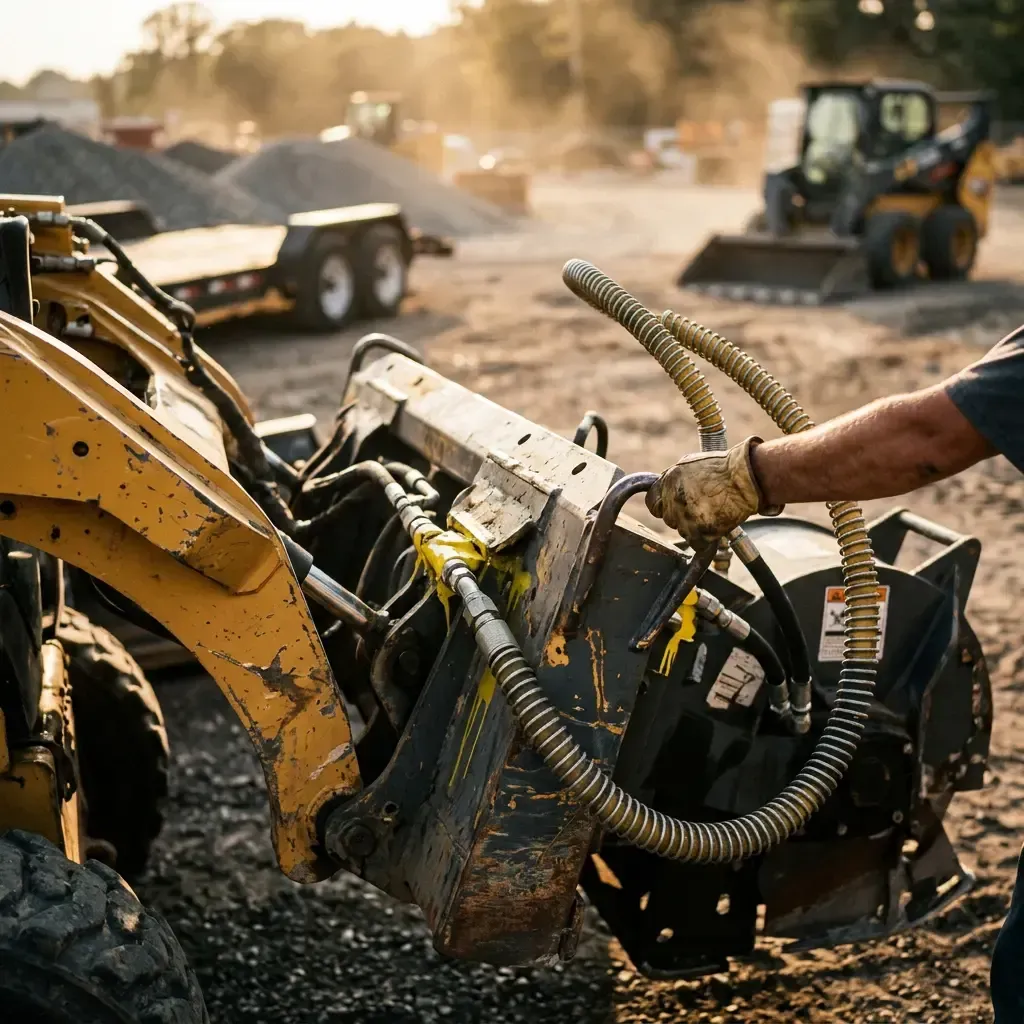
Construction figured out something most entrepreneurs haven't: the machine isn't the business the attachments are. A contractor no longer needs a yard full of specialized equipment; one skid steer paired with a versatile library of on-demand attachments can bid concrete work Monday and land-clearing work Friday. Entrepreneurs can build the same way — staying lean on infrastructure and investing instead in modular, on-demand tools they plug in as needed. The businesses that adopt this "attachment economy" mindset will outpace the ones still building like it's 1995.
A decade ago, a contractor showing up to a job site looked like a small parade. Three trucks. Four pieces of specialized equipment. A small fortune in diesel fuel just to move iron from point A to point B.
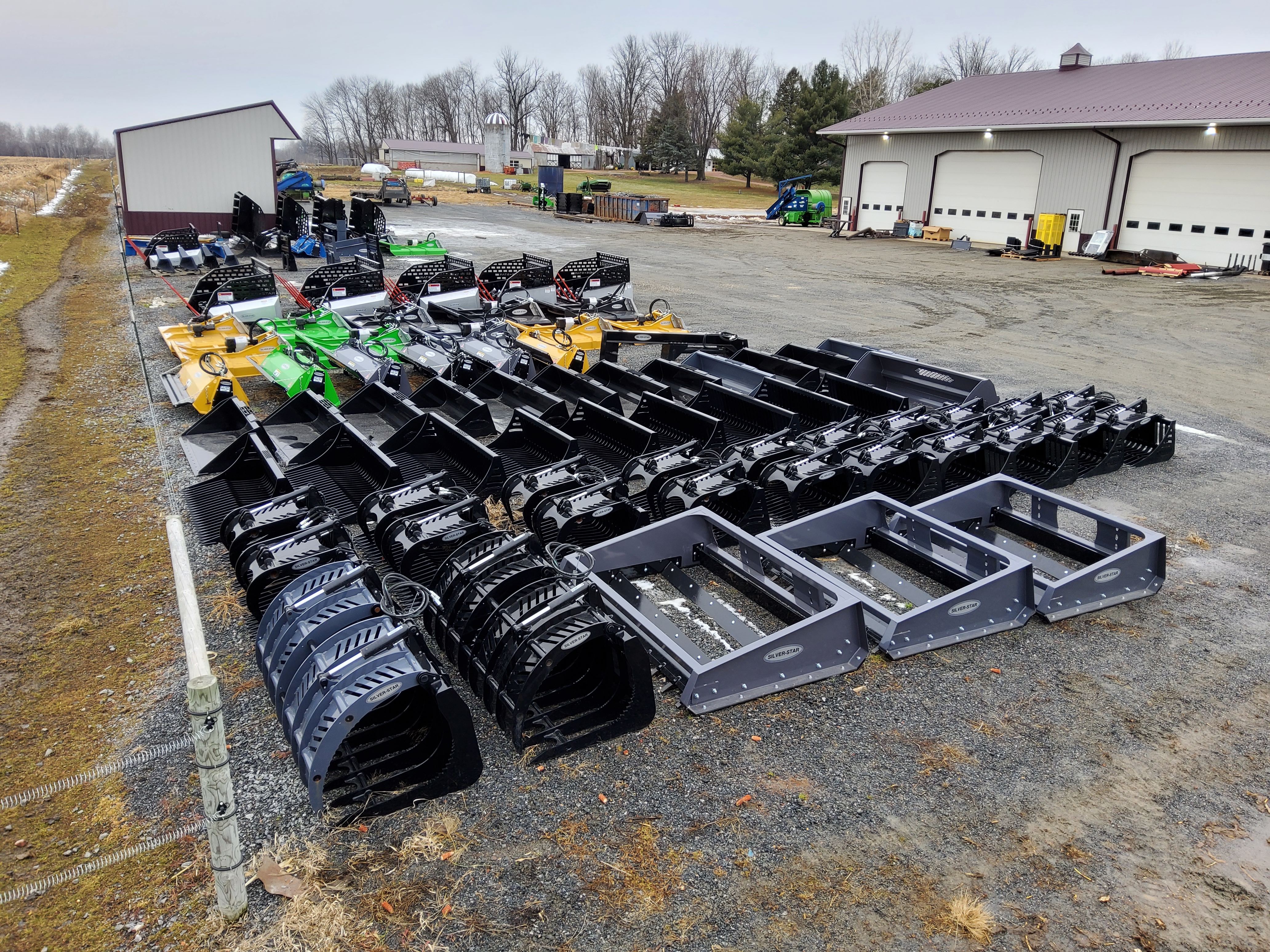
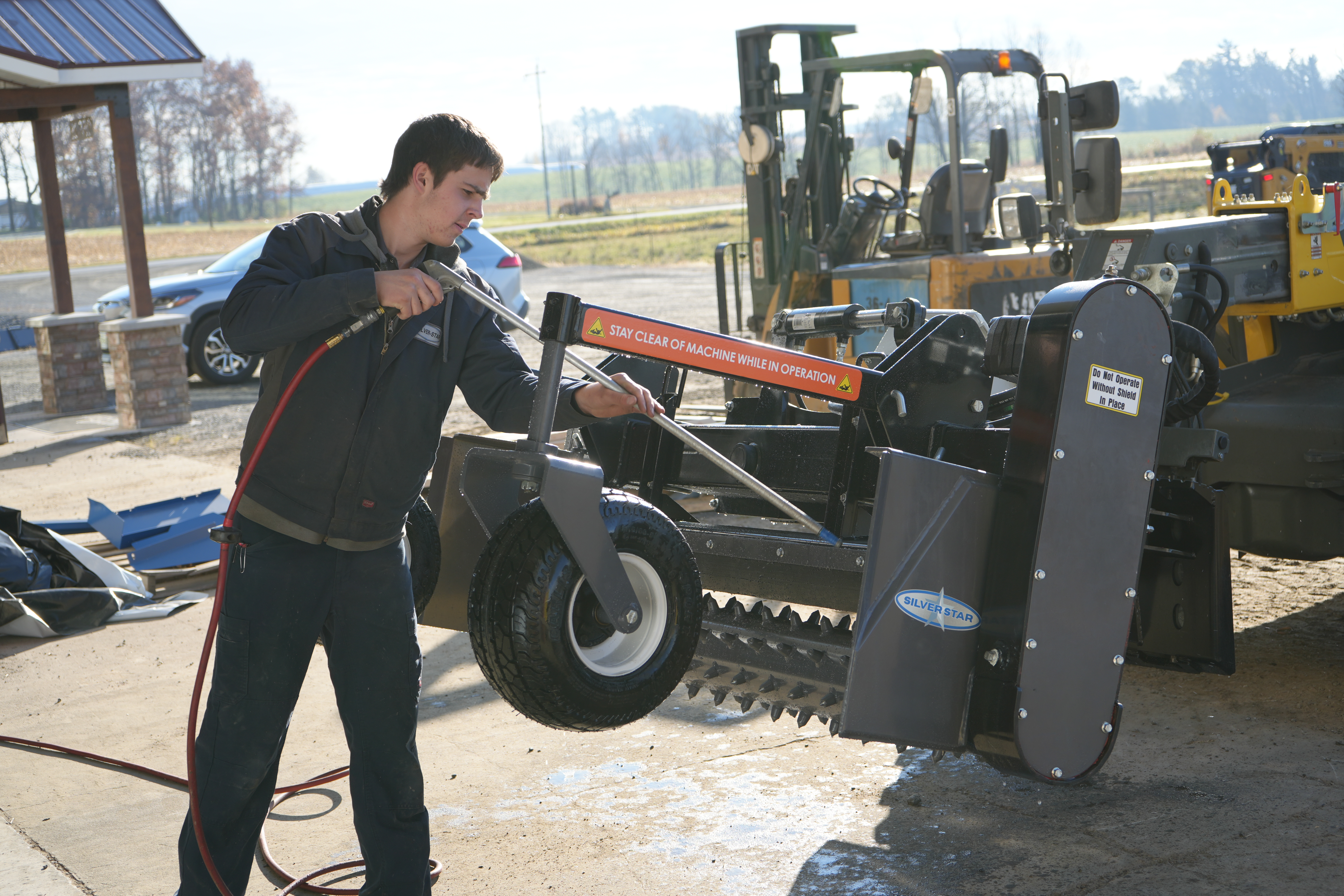
Today? One skid steer. One trailer packed with attachments. Twenty different capabilities ready to deploy in under sixty seconds.
The construction industry figured out something that most entrepreneurs still haven't: the machine isn't the business. The attachments are.
And if you're building a side hustle, launching a startup, or trying to scale a small business in 2025, this shift from ownership to access, from specialization to versatility, from expensive platforms to strategic attachments isn't just relevant to your business.
It's the blueprint for survival.
The Platform Illusion: Why We've Been Measuring Success All Wrong

For decades, contractors measured their business capacity by the size of their fleet. More machines meant more capability. More yellow iron in the yard meant you were a serious player.
Entrepreneurs do the same thing.
We measure our business readiness by how many tools we own, how many subscriptions we pay for, how much software we've licensed, how many agencies we've hired. We think the platform—the base infrastructure—is what makes us legitimate.
But here's what construction figured out that changed everything: when high-flow hydraulic systems and quick-attach plates became standard, the loader transformed from a dirt mover into a mobile power plant.
The machine became a utility. The attachment became the strategy.
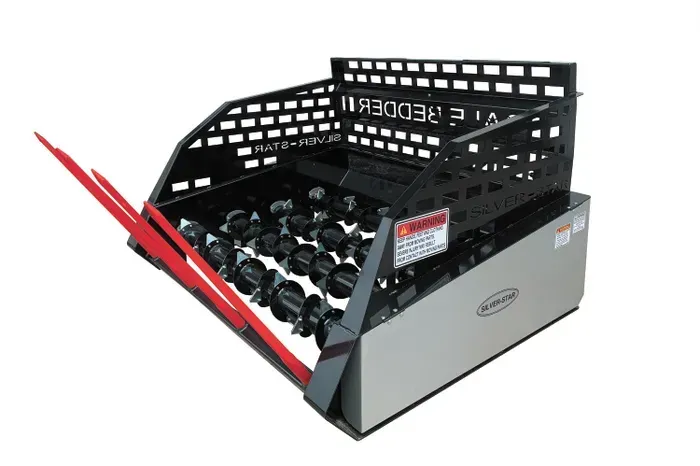
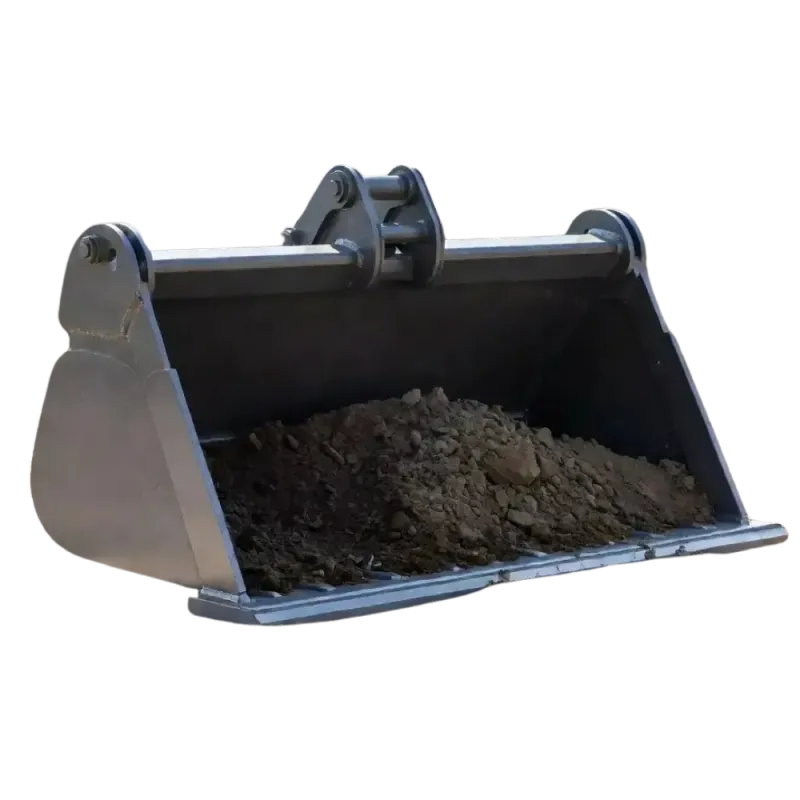
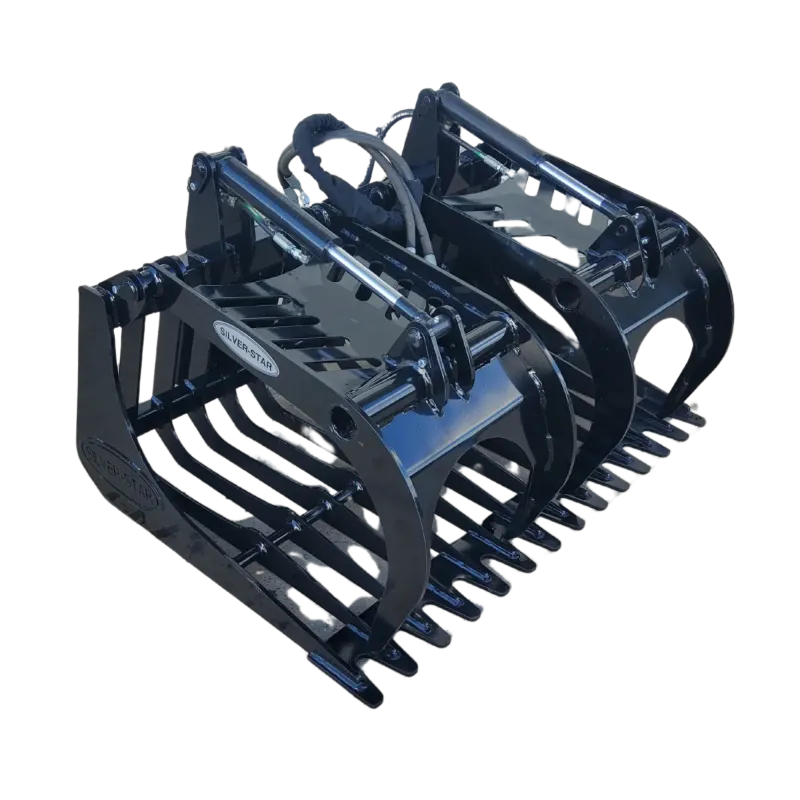
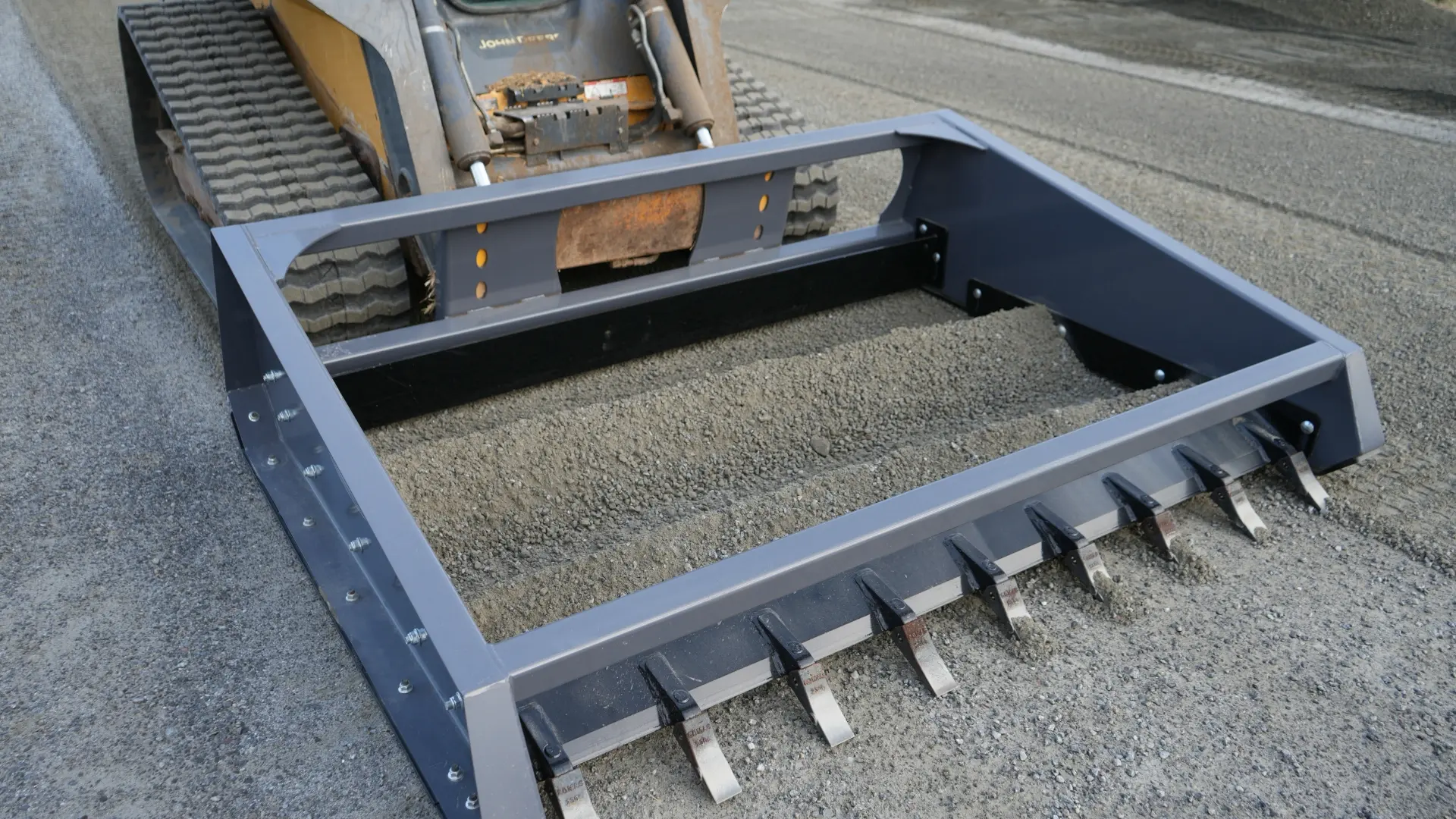
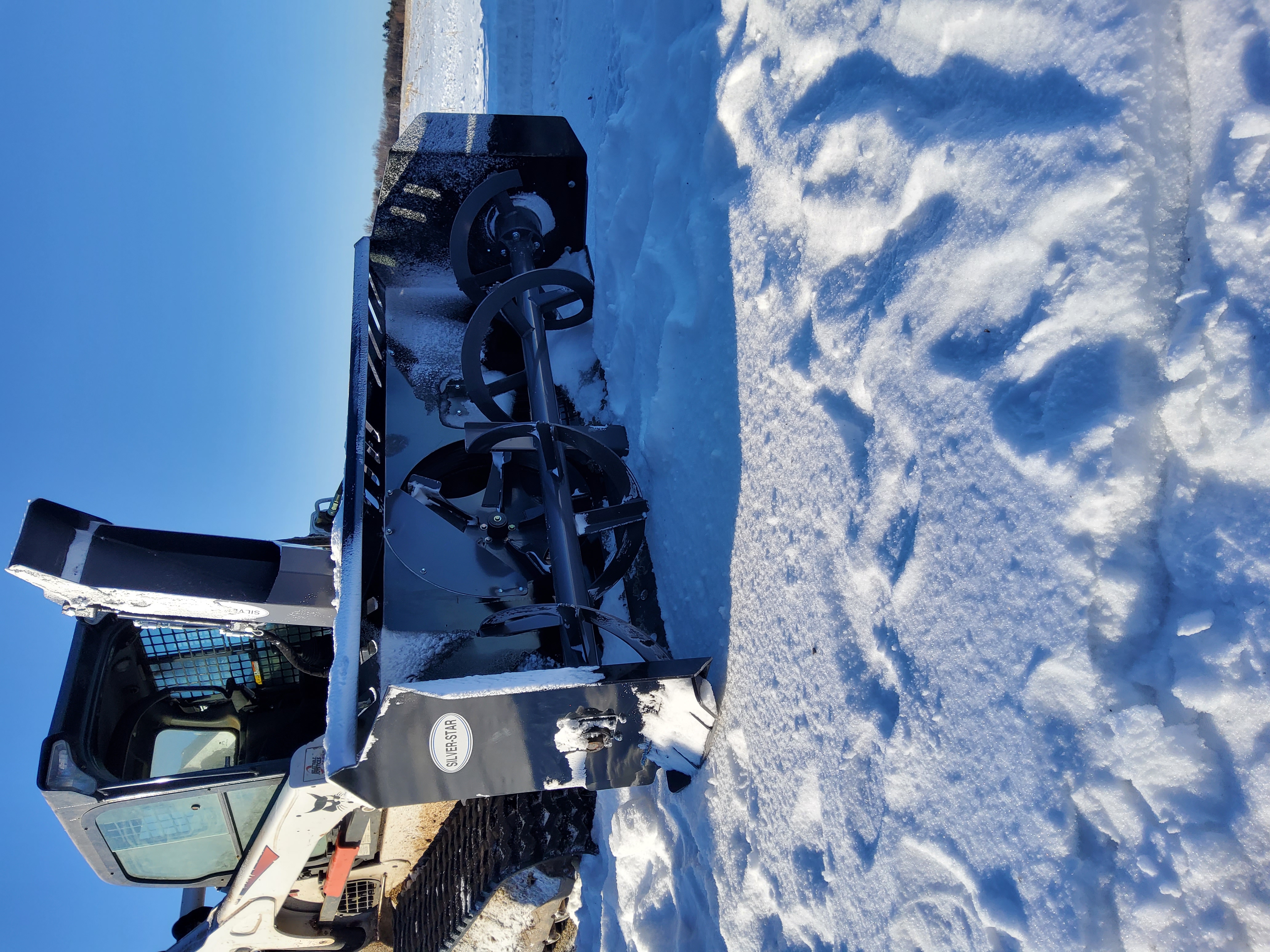
Think about what that means. A $60,000 skid steer sitting in your yard doing one job is an expensive paperweight twenty days a month. But that same machine paired with a $5,000 attachment library? That's a revenue-generating platform that can bid on concrete jobs Monday, fencing projects Wednesday, and land-clearing contracts Friday.
The ROI calculation flipped completely. Instead of measuring "hours worked" on a single expensive machine, smart contractors started measuring "service versatility" across their entire operation.
For entrepreneurs, the parallel is obvious: your business isn't defined by the expensive platform you own. It's defined by the capabilities you can access when you need them.
The $2,500 Decision That Cost $19,000: Why Cheap Tools Are Expensive

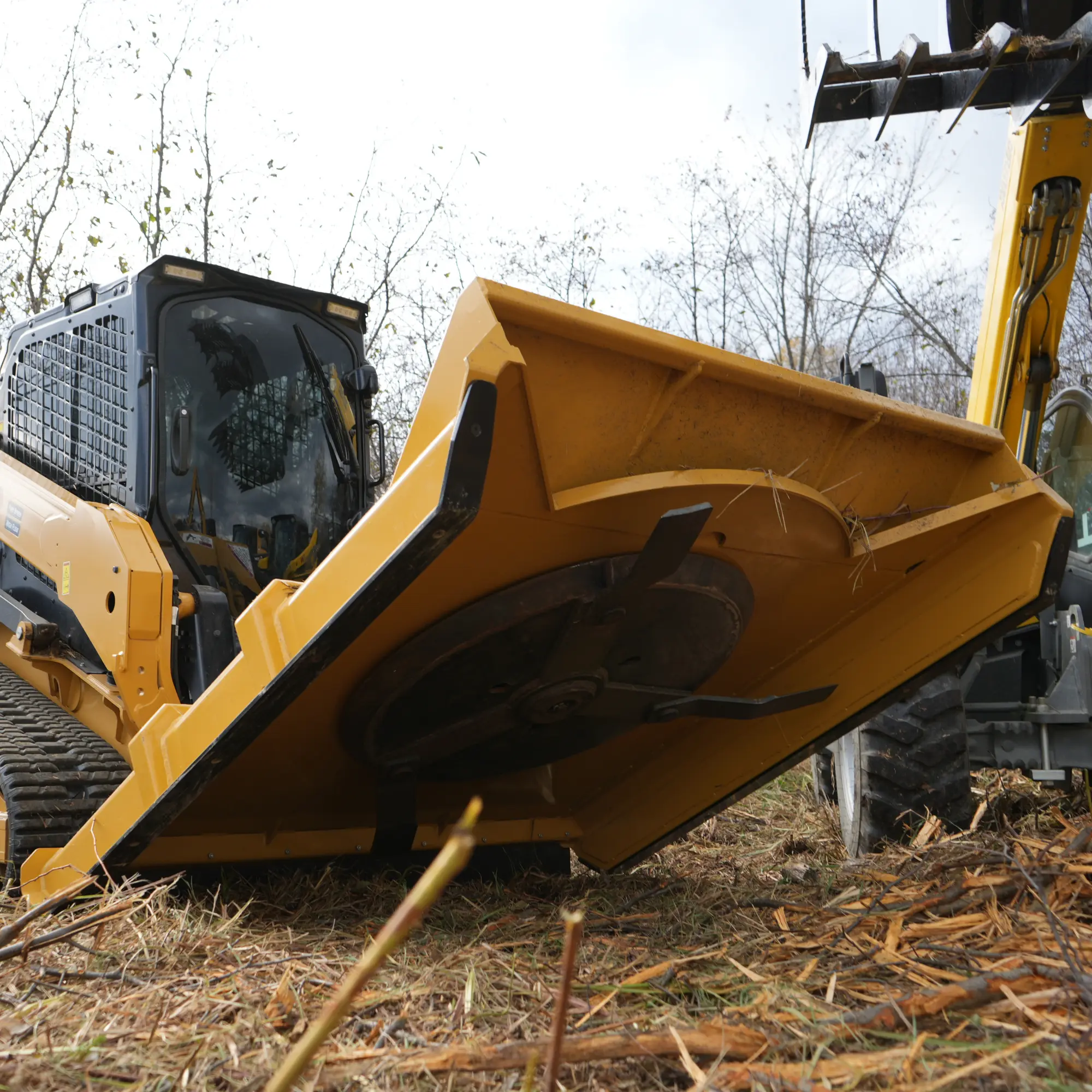
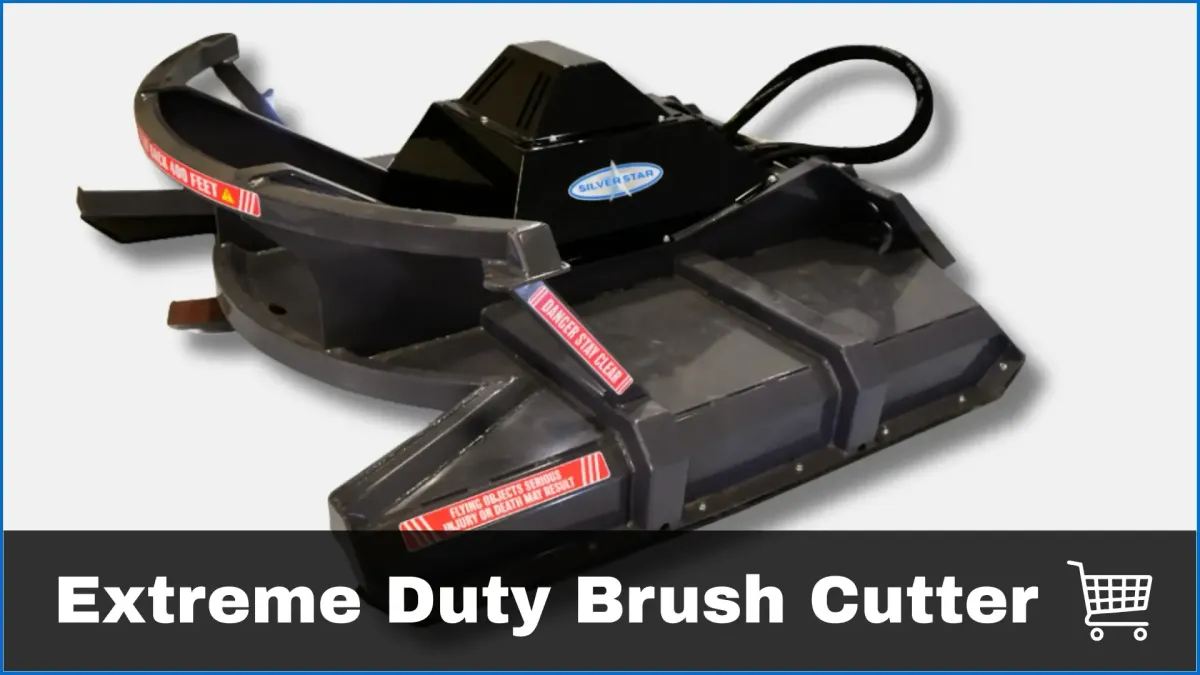
A site developer once tried to save $2,500 by buying a cheap imported brush cutter instead of an American-made unit built for high-torque work.
Forty hours into the job, internal welding flaws caused the main seal to fail. Metal shavings shot back through the return lines and destroyed the host machine's $14,000 hydraulic pump.
What started as a "smart savings" turned into a $19,000 repair bill, three weeks of downtime during peak season, and a missed deadline that nearly killed the contract.
By the time he rented a replacement and bought the quality attachment he should have started with, he'd spent enough to buy three premium units.
This is what we call catastrophic savings—the hidden cost nobody calculates upfront.
Entrepreneurs face this same trap constantly. We choose the cheapest CRM because it's "good enough for now." We hire the lowest-bid freelancer because we're bootstrapping. We patch together free tools and hope they'll scale.
Then the system breaks at the worst possible moment. The cheap tool can't handle the load. The bargain solution contaminates your entire operation. And the money you "saved" gets multiplied by ten in lost revenue, missed opportunities, and emergency fixes.
Here's the truth construction learned the hard way: in a world where your attachment library is your competitive advantage, reliability isn't a luxury. It's the foundation of profitability.
According to industry data, attachments reduce overall project expenditures by 20-30%—but only when they work. When they fail, they don't just stop working. They take your entire platform offline.
From Systems Manager to Business Navigator: The New Operator

Ten years ago, a skid steer operator was basically a driver. Physical coordination. Site awareness. Move dirt from here to there.
Today's operator is a systems manager.
They monitor GPM flow rates, PSI thresholds, and thermal loads in real-time. They diagnose the difference between a normal high-torque load and a dangerous hydraulic bog. They manage digital interfaces and recalibrate safety margins every time they switch from a concrete breaker to a precision grading blade.
One second of poor judgment about a weight limit can turn into a catastrophic repair bill instead of a minor delay.
Sound familiar?
That's exactly what happened to entrepreneurs over the last decade. We went from needing basic business skills to becoming full-stack operators who have to understand marketing automation, sales funnels, content systems, financial modeling, legal compliance, and technology integration—all at once.
The cognitive load is crushing. The switching cost between tasks is brutal. And the consequences of getting it wrong are expensive.
But here's where the construction revolution offers a solution: smaller contractors are competing against giants not by training better operators, but by investing in attachments that have the expert knowledge baked into the metal itself.
Precision-engineered grading blades with oscillating bolsters that mechanically stabilize against machine bounce. Concrete buckets with internal baffles and flow-control valves that compensate for jerky operator movements. Tools designed so a relatively new operator can produce professional-grade results in their first week.
The attachment design replaces what used to require years of experience.
This is the exact philosophy behind the REVREV Matrix. Instead of forcing entrepreneurs to become experts in twenty different business disciplines before they can launch, we built a cross-industry turn-key Business Navigation Matrix that has the expert knowledge built into the system itself.
You don't need to be a master operator. You need access to tools designed to compensate for what you don't know yet.
The Decoupled Future: Why Ownership Is Becoming a Liability
Here's where construction's evolution gets really interesting—and where the parallel to entrepreneurship becomes impossible to ignore.
The construction equipment rental market is exploding. Contractors are shifting from ownership to rental at an accelerating pace because base machines are becoming more complex, more expensive, and more rapidly obsolete.
Electric drivetrains. Autonomous sensors. Software-as-a-service subscriptions baked into the equipment itself.
Smart contractors are realizing: why own a depreciating asset that requires constant maintenance when you can rent a standardized platform and carry your competitive advantage with you?
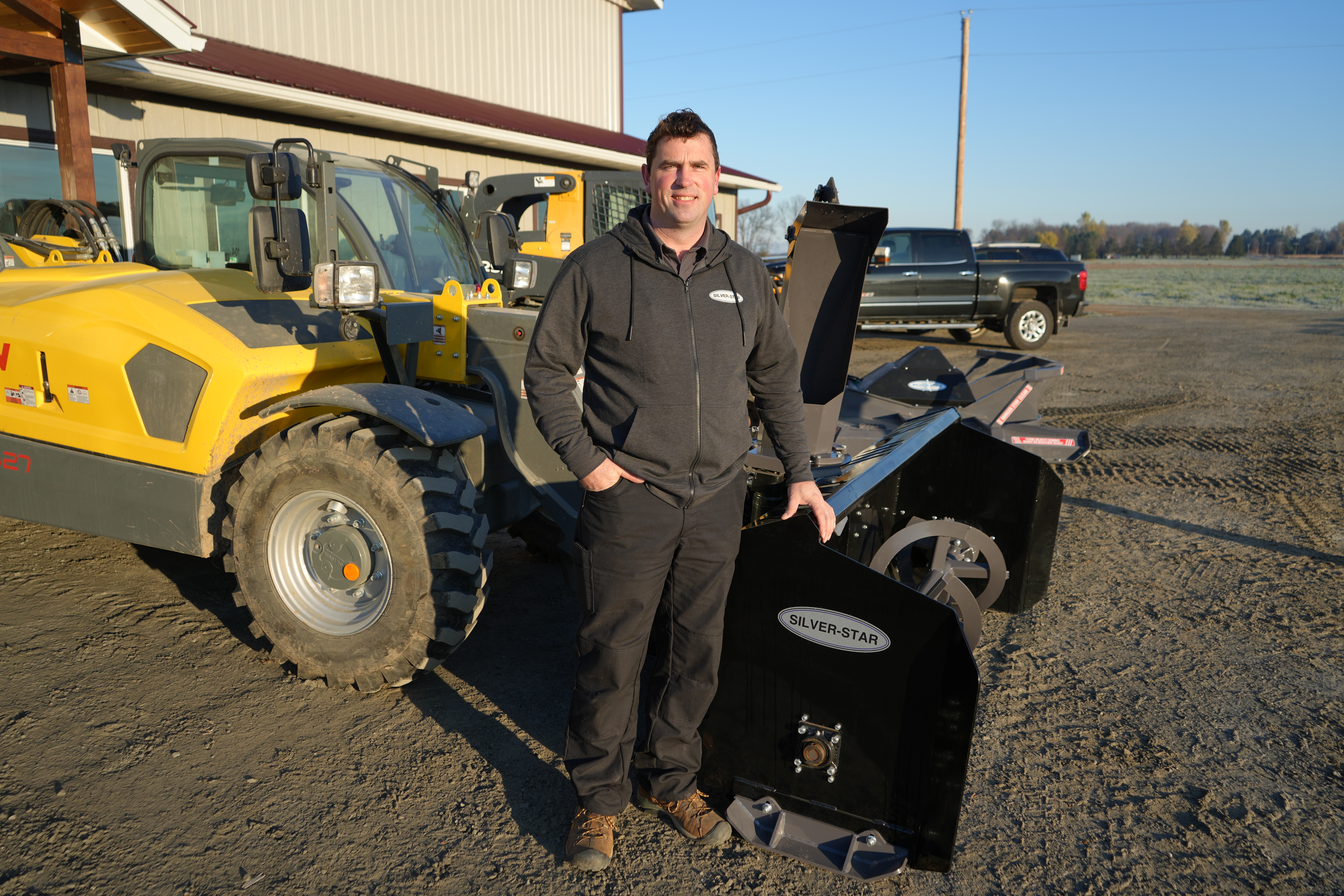
The future looks like this: the expensive high-tech base machine becomes a rented utility—essentially a "battery on tracks" you access as needed. Your actual competitive advantage lives in your personal library of specialized, high-performance attachments that you carry from job to job.
You don't define yourself by the brand of loader you rent. You define yourself by the unique, heavy-duty "metal at the end of the arms" that lets you outproduce everyone else.
For entrepreneurs, this decoupled ownership model is already here.
You don't need to own an expensive marketing agency. You need access to marketing capabilities when you need them. You don't need to hire a full-time CFO. You need financial expertise available on demand. You don't need to build every system from scratch. You need a platform that lets you plug in proven solutions as you grow.
The REVREV Matrix operates on this exact principle: one foundational platform with 25 strategic "attachments" (Revenue Maps) that entrepreneurs can access as needed, transforming business-building from an expensive all-or-nothing gamble into an affordable part-by-part assembly line.
Just like construction moved from owning fleets of specialized machines to leveraging one versatile platform with strategic attachments, entrepreneurs must abandon the traditional "business maze" of buying everything upfront and enter the "matrix" of modular, accessible business-building tools.
The Innovation Migration: Where Real Breakthroughs Actually Happen
Major equipment manufacturers spend millions marketing horsepower and cab comfort. Luxury features. Brand prestige. The lifestyle of owning premium iron.
But that's not where innovation is happening.
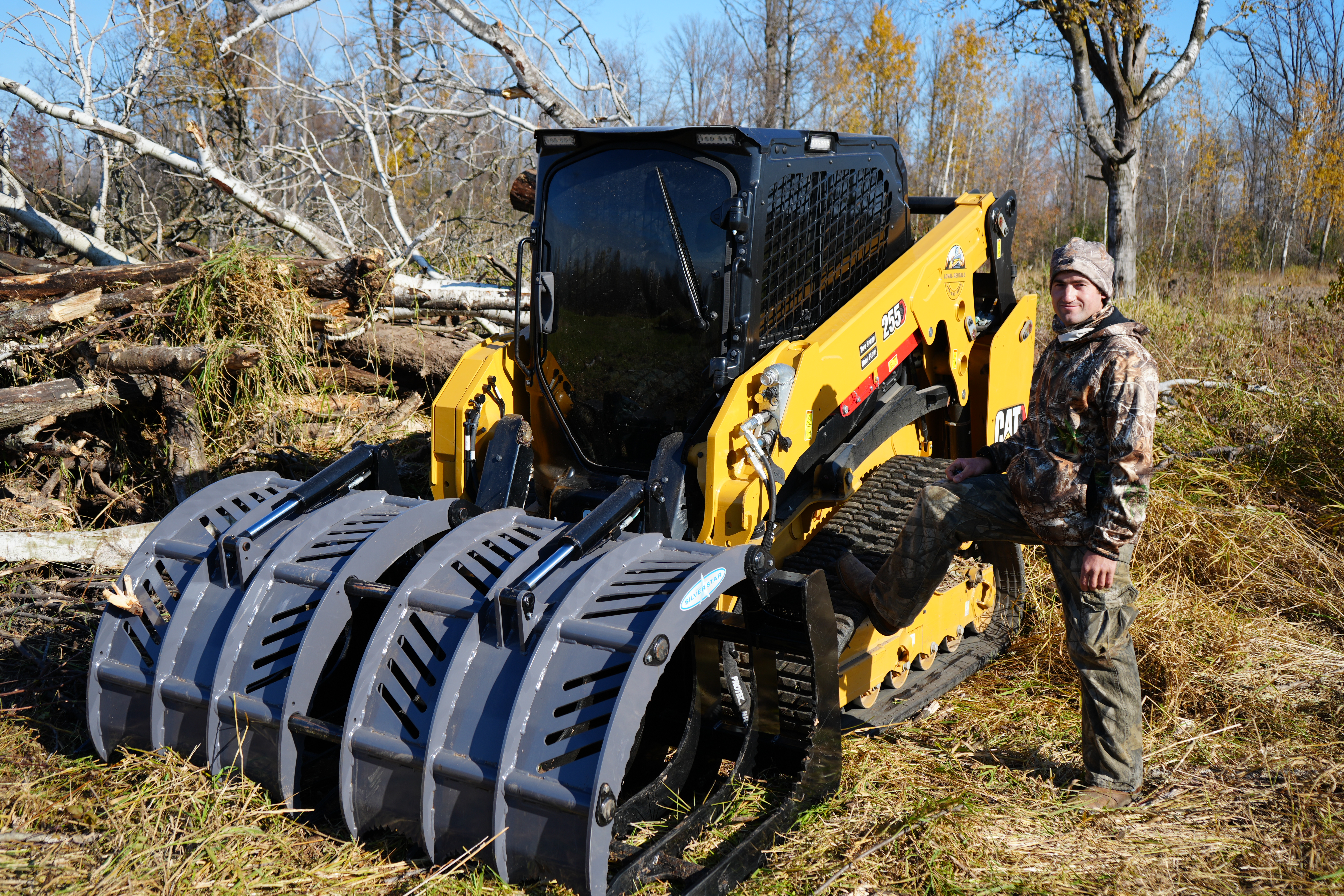
The real breakthroughs are coming from specialized fabricators who aren't trying to sell you a subscription or lock you into a proprietary ecosystem. They're solving specific high-torque problems that big manufacturers ignore in favor of volume sales and recurring revenue.
The attachment layer is where performance gains actually occur. The base platform is just infrastructure.
This is exactly what's happening in the entrepreneurial ecosystem right now.
Big platforms sell you on their brand, their integrations, their enterprise features. They want you locked into their walled garden, paying monthly subscriptions for capabilities you might use twice a year.
But the entrepreneurs who are actually winning? They're focused on solving specific problems with specific solutions. They're building attachment libraries—collections of proven tools, systems, and capabilities they can deploy instantly without being locked into any single vendor's vision of how business should work.
According to market research, the aftermarket attachment channel captured 62.33% market share in 2024, with rental segments growing at 7.12% annually. Contractors aren't buying what manufacturers are selling. They're buying what actually solves their problems.
Entrepreneurs need to think the same way.
Escape the Maze, Enter the Matrix
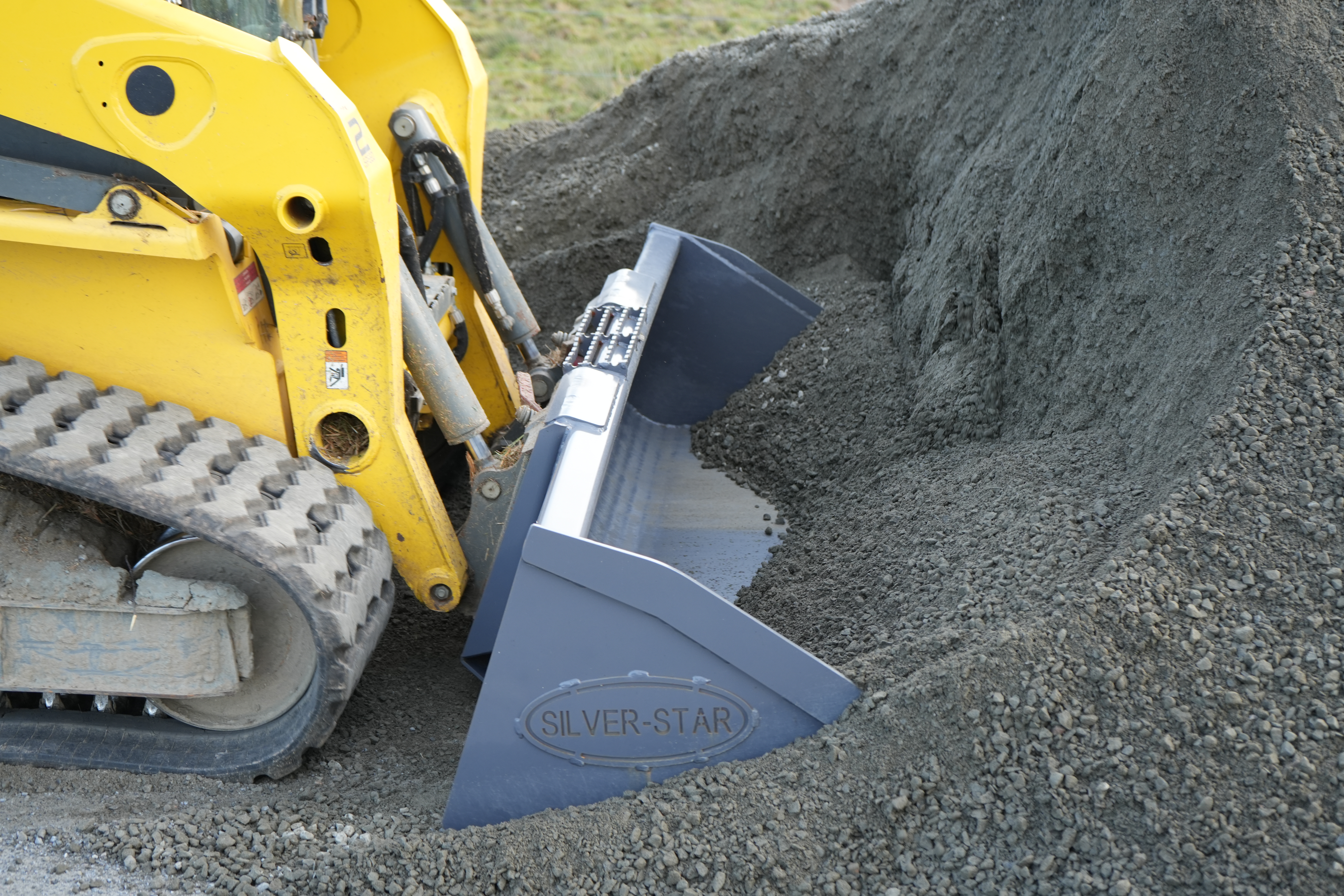
For decades, starting a business meant entering a maze. No clear directions. No revenue signs pointing you toward profitability. Just trial and error, dead ends, and the hope that you'd figure it out before running out of cash.
The business maze is the most inefficient and expensive way to build. Some people win. Most people lose.
But construction showed us there's a better way: the matrix.
A cross-industry turn-key navigation system that helps you avoid foreseeable roadblocks, proven detours, and missing road signs. A platform that gives you access to expert knowledge without requiring you to become an expert in everything. An assembly line approach where instead of building cars, you build businesses—part by part, with the tools and support you need at each stage.
The REVREV Matrix is designed for the "little guy" starting a small business with a big idea. It makes building any business easier, faster, and more affordable by providing what we wish we knew when we started: sales, marketing, operations, management, finance, technology, and law—simplified so you don't have to break the bank figuring it out all at once.
Just like a contractor can now generate revenue on multiple job types with one platform and strategic attachments, entrepreneurs using the REVREV Matrix can access 25 different business-building capabilities without buying 25 different solutions.
The 20-30% cost savings contractors see from using attachments? That's the same advantage entrepreneurs gain by building with a navigation matrix instead of wandering the maze.
The 10:1 capital efficiency advantage of a $5,000 attachment versus a $60,000 specialized machine? That's exactly what the REVREV Matrix delivers—access to business-building capabilities at a fraction of what traditional methods cost.
The One Assumption You Need to Abandon Right Now

The construction industry is abandoning the assumption that the machine itself is the primary source of productivity.
For decades, contractors measured capacity by fleet size and horsepower. But in the next three years, the base machine will be exposed as a mere utility provider while real gains in efficiency, precision, and profit come entirely from intelligent, high-performance attachments.
Entrepreneurs need to make the same shift.
Your business isn't defined by how much infrastructure you own. It's not about having the biggest team, the most expensive tools, or the fanciest office. Those are just utilities.
Your competitive advantage is your attachment library—the specialized capabilities you can deploy when opportunities arise.
The future belongs to entrepreneurs who realize their actual edge is the modular systems, proven processes, and strategic tools they've assembled. The ones who stay asset-light and capability-rich. The ones who can pivot fast because they're not weighed down by ownership of depreciating platforms.
By abandoning the machine-first model, you shift focus to where the work actually happens: the specific, repeatable, revenue-generating activities that define your business value.
Your First Strategic Move
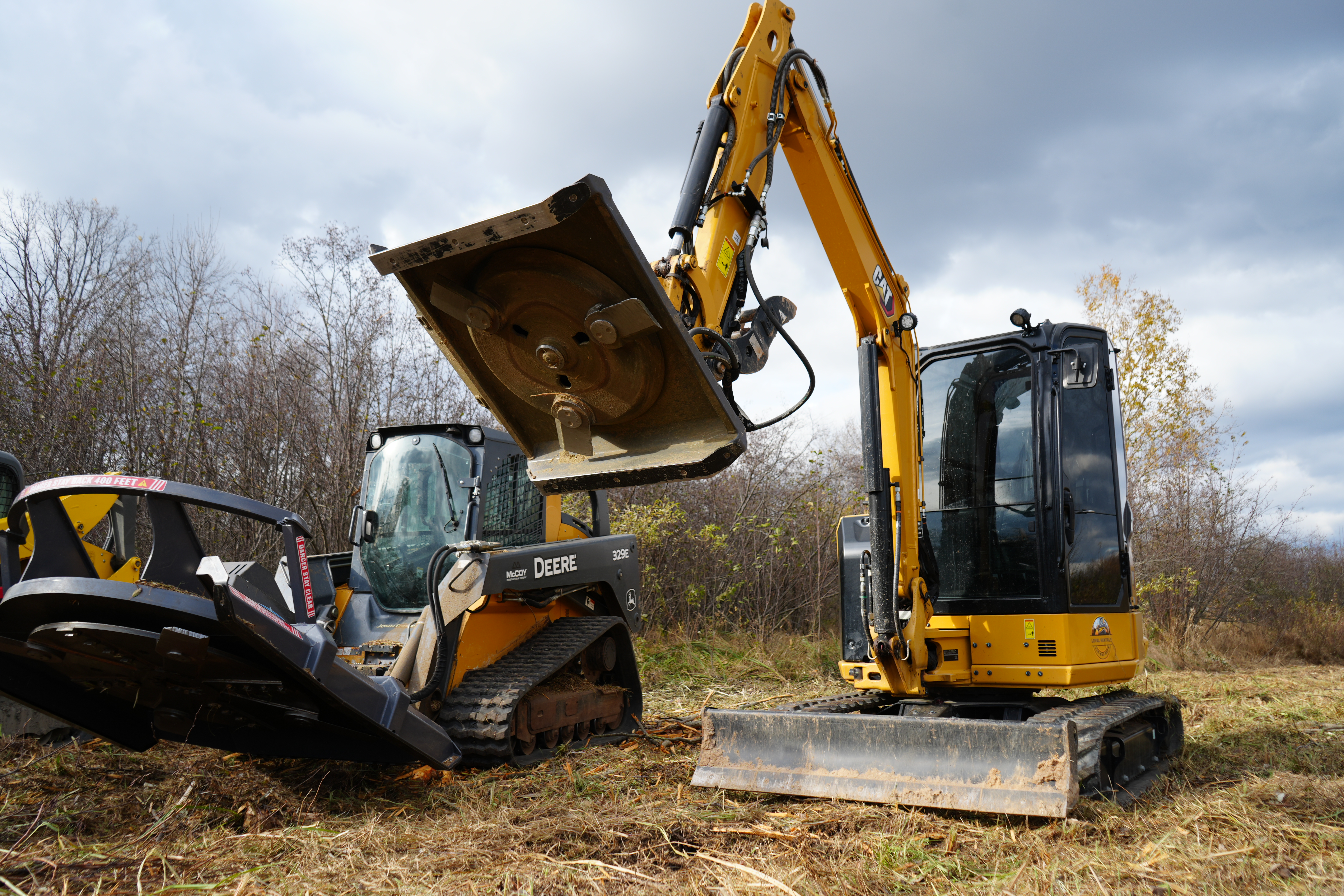
If you're building a side hustle, launching a startup, or scaling a small business right now, here's the counterintuitive move that will seem obvious in hindsight five years from now:
Stop investing in platforms. Start building your attachment library.
Stop buying expensive all-in-one solutions you'll outgrow in six months. Stop hiring full-time specialists for part-time needs. Stop building custom systems from scratch when proven tools already exist.
Instead, invest in your library of proven, reliable, revenue-generating capabilities that you can carry with you regardless of what platform you're using, what market you're in, or how your business model evolves.
Build part by part. Access expertise as needed. Stay flexible enough to pivot without losing everything you've built.
That's not just smart business. That's survival in an economy where the only constant is change.
The construction industry learned this lesson through billions in wasted capital and decades of inefficiency. You don't have to.
The maze is your foe. The matrix is your friend.
Welcome to the attachment economy. Your business will never be the same.
Ready to escape the business maze and enter the matrix? The REVREV Matrix is the first-of-its-kind Business Navigation Matrix designed for side hustles, startups, and small businesses. Learn more about how we're helping entrepreneurs build businesses part by part—without breaking the bank—at Revival of Revenue.
FAQs
1. What does "building your business like it's 1995" actually mean?
It refers to over-investing in heavy, inflexible infrastructure—big offices, full-time staff, and monolithic software—rather than staying lean and modular with on-demand tools and capabilities.
2. What is the "attachment economy" in simple terms?
The attachment economy is a way of operating where your core platform stays small and flexible, and your real power comes from specialized add-ons—services, tools, or systems—you plug in only when needed.
3. How can I start building my own "attachment library" as an entrepreneur?
Begin by listing the core outcomes your business needs—leads, sales, fulfillment, finance, legal—and then choose proven, modular tools or experts you can access on demand for each outcome instead of hiring or building everything in-house.
4. When is it worth paying more for a premium tool or service?
Pay more when a failure would shut down your "host machine"—anything tied directly to cash flow, client delivery, or core operations. In those areas, reliability is cheaper than catastrophic downtime.
5. How does the REVREV Matrix fit into this attachment model?
The REVREV Matrix acts as a core navigation platform with 25 modular "attachments" (Revenue Maps) you can plug in as your business grows, giving you access to expert-grade capabilities without building or buying them all separately.
6. Can this approach work for very small side hustles, or only for startups?
It works especially well for side hustles and small businesses because it lets you start tiny, stay cash-efficient, and scale capabilities only when revenue and demand justify the next "attachment."