




Find Your Ideal Skid Steer Grapple Bucket for Sale
Find Your Ideal Skid Steer Grapple Bucket for Sale
Some jobs don't fit in a bucket. Rocks that roll before you can scoop them, brush piles too awkward to lift clean, logs that need gripping instead of pushing. That's the gap a grapple bucket is built to close, and it's worth knowing exactly what you're shopping for before you buy one.

If you're searching for a skid steer grapple bucket, you're looking for a hydraulic claw attachment built to grip and move rocks, brush, logs, and debris, a category most manufacturers sell as a brush grapple or rock grapple rather than a literal bucket. The right one for your machine comes down to three things: grapple opening width (wider grips bulkier loads), overall attachment width (matched to your skid steer's lift capacity), and frame construction (solid steel holds up to repeated impact far better than lighter-gauge builds). A properly sized grapple handles jobs a standard bucket physically can't: gripping irregular loads, lifting without spilling, and clearing debris a flat-bottom bucket would just push around instead of picking up.
What Is a Skid Steer Grapple Bucket, Really?
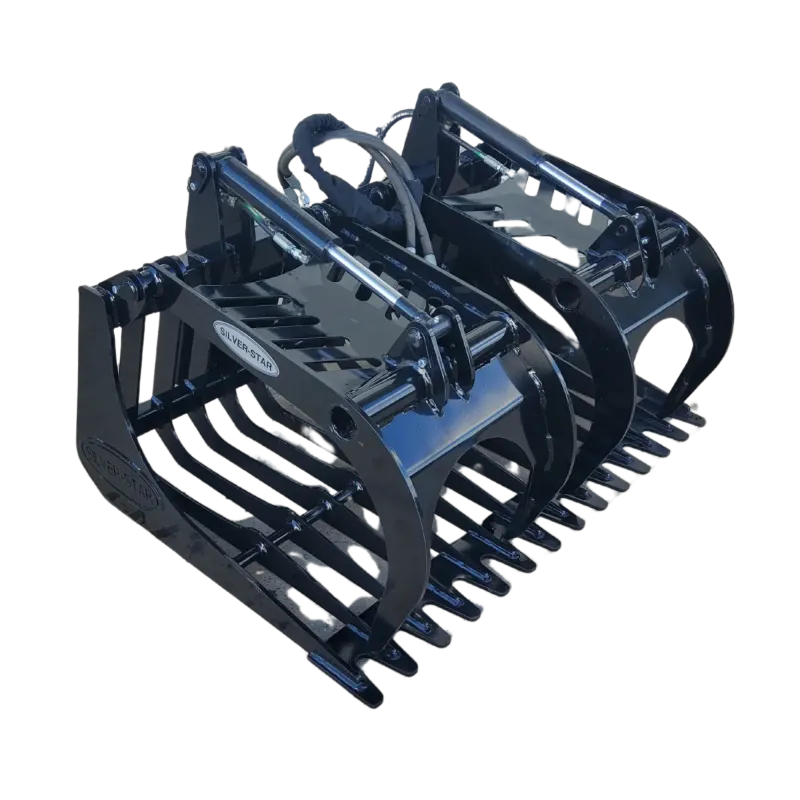
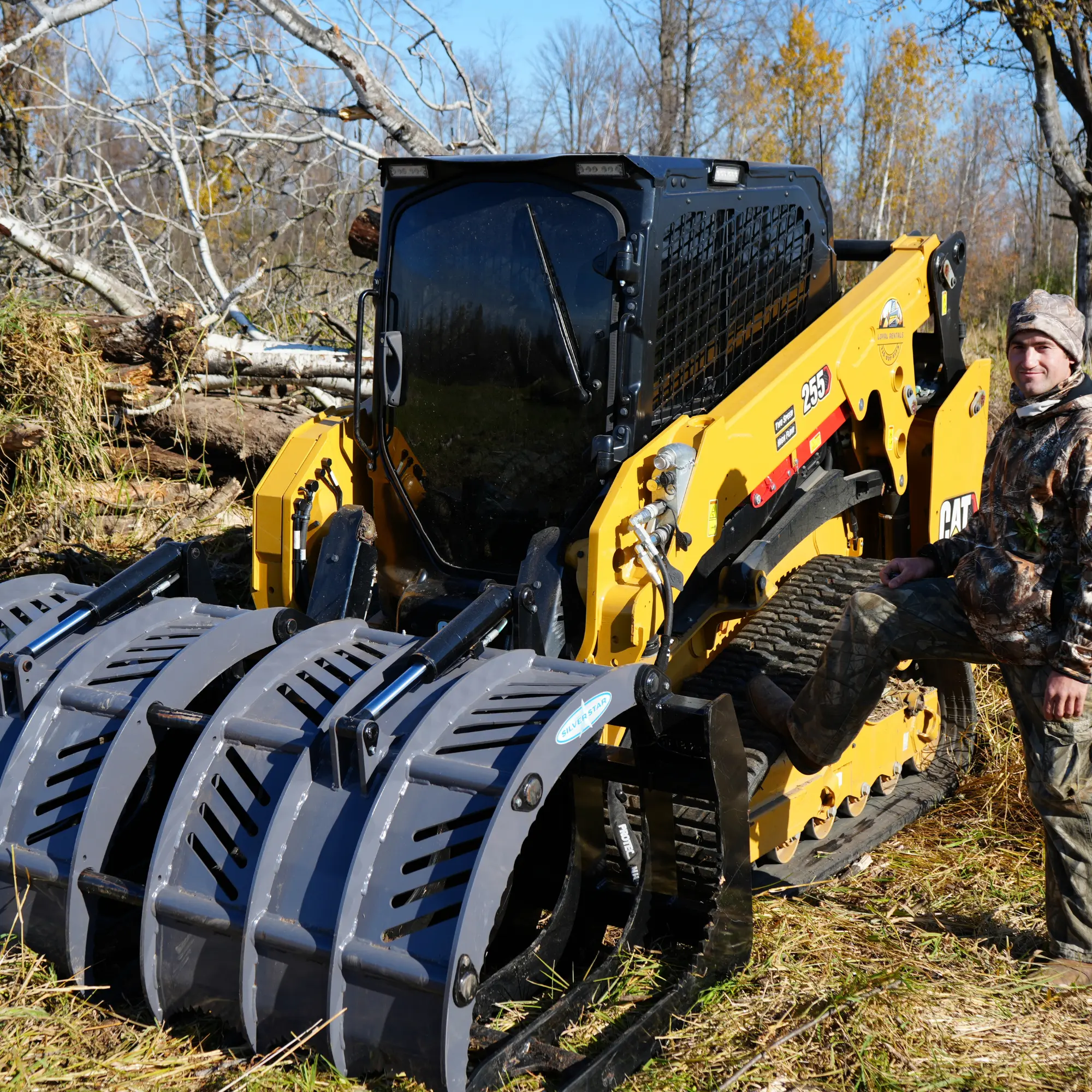
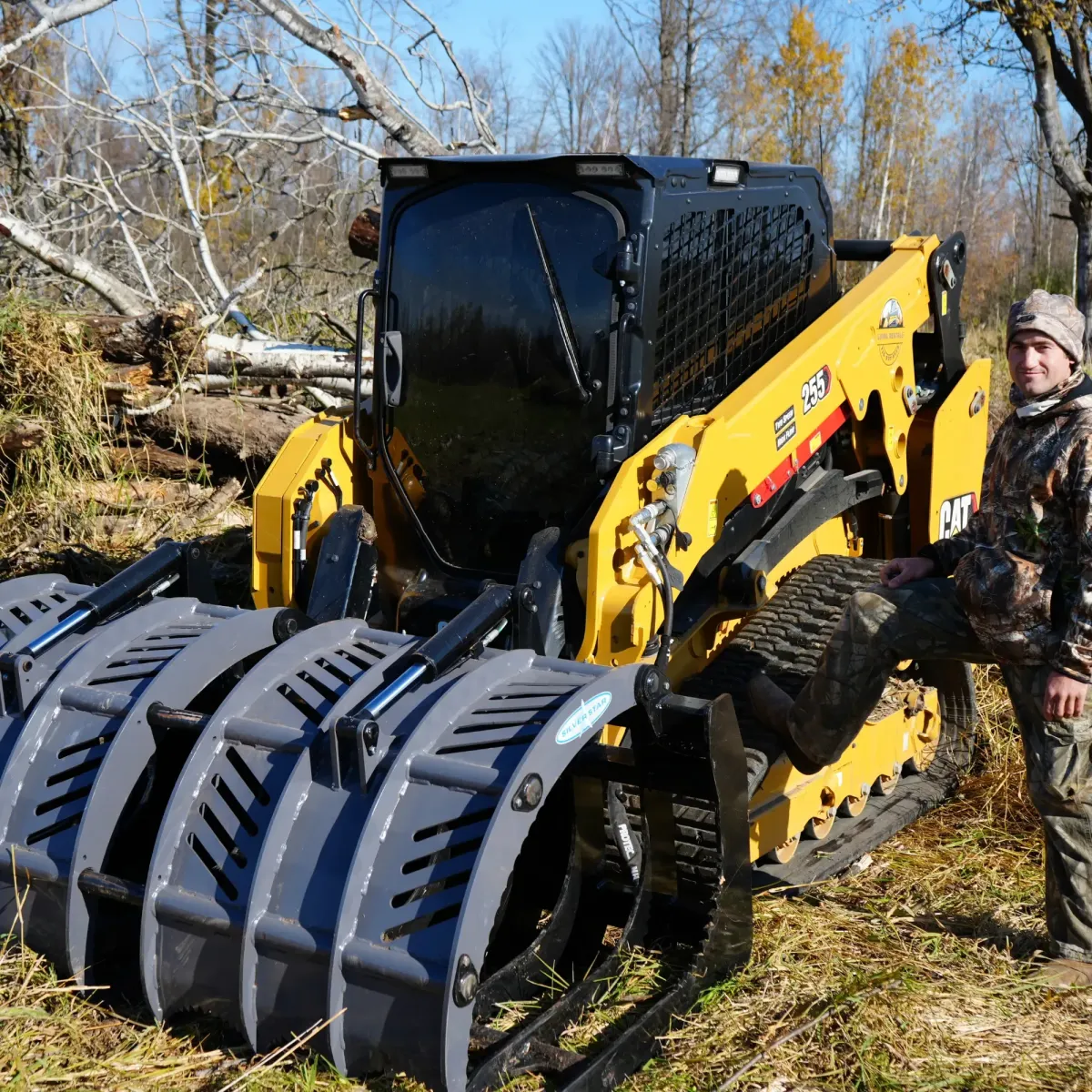
Here's the terminology gap worth clearing up first: "grapple bucket," "rock grapple," and "brush grapple" all describe the same category of attachment, a hydraulic claw that closes around a load and holds it in place while you lift and move it. Silver Star's version is sold as theHeavy Duty Brush Grapple, and if you searched for a grapple bucket to get here, this is the product you're looking for.
The naming varies by manufacturer more than the function does. Some brands lead with "rock grapple" because rock and debris clearing is the most common use case; others lead with "brush grapple" because land clearing drives the bulk of sales. Either way, if what you pictured when searching "grapple bucket" was a claw-style attachment rather than a fixed-bottom container, you're already looking at the right category of product, just under a different name than the one you searched.
The design solves a problem a standard bucket can't. A bucket has a fixed opening and a flat floor; it scoops, but it can't close around a load or hold something irregularly shaped without material spilling back out the sides. A grapple attachment uses a hinged, hydraulically actuated claw that closes on top of whatever you're picking up, whether that's a tangle of brush, a scattered pile of large rocks, or a stack of logs, and holds it secure through the lift and the carry. For jobs where the material won't sit neatly in a bucket, the grapple is the tool that actually gets it done in one pass instead of three.
How the Heavy Duty Brush Grapple Works
The grapple mounts to your skid steer's quick-attach plate like any other attachment, then runs off your machine's hydraulic system to power the claw. Silver Star's version comes in a 52-inch grapple opening across either a 72-inch or 84-inch overall width (model HDGP72 or HDGP84 in the standard frame, or SG72 and SG84 in the short-frame option), built from solid steel and weighing in around 1,100 to 1,200 pounds depending on the model.
Grease-able pivots keep the claw's moving joints from binding up under repeated use, which matters more than it sounds like on paper. A grapple that sees daily use is opening and closing hundreds of times a week, and a pivot that isn't built to be serviced wears out fast under that kind of cycling. The frame itself is rated to handle the kind of abuse rock and debris handling naturally involves; the attachment's own power output is limited only by what your skid steer itself can deliver, not by the grapple's own capacity.
Choosing between the 72-inch and 84-inch widths comes down to your typical load size and your skid steer's lift rating. The wider frame covers more ground per grab, which matters on larger clearing jobs, but it also adds roughly 100 pounds and asks more of your machine's lift capacity. If your work is mostly smaller debris and brush piles, the narrower frame is usually the better match; if you're regularly moving large volumes at once, the extra width pays for itself in fewer trips.
Why a Grapple Beats a Standard Bucket for This Work
A grapple earns its place in your attachment lineup specifically because it can grip instead of just scoop. Large rocks that would roll out of a standard bucket get held in place by the claw. Brush and branches that would spill over the sides of a flat-bottom bucket get compressed and secured before you ever lift. And forlog handling, a grapple lets you gather scattered timber and move it as a load instead of forking or scooping each piece individually.
The other advantage is versatility within a single attachment. One grapple handles brush, rocks, logs, debris, hay bales, and loose dirt, which means fewer attachment swaps over the course of a job. For contractors and farmers running multiple job types in a week, that's real time saved compared to switching between a bucket and a separate grapple for tasks that overlap.
There's also a universal-fit advantage worth knowing about before you buy: the mounting plate is built to work across skid steer brands and models, so the attachment isn't locked to one specific machine. That matters if you're running mixed equipment across a fleet, or if you expect to upgrade or replace your skid steer down the line without needing to replace every attachment along with it.
Grapple Bucket vs. Standard Rock Bucket: Which Do You Need?

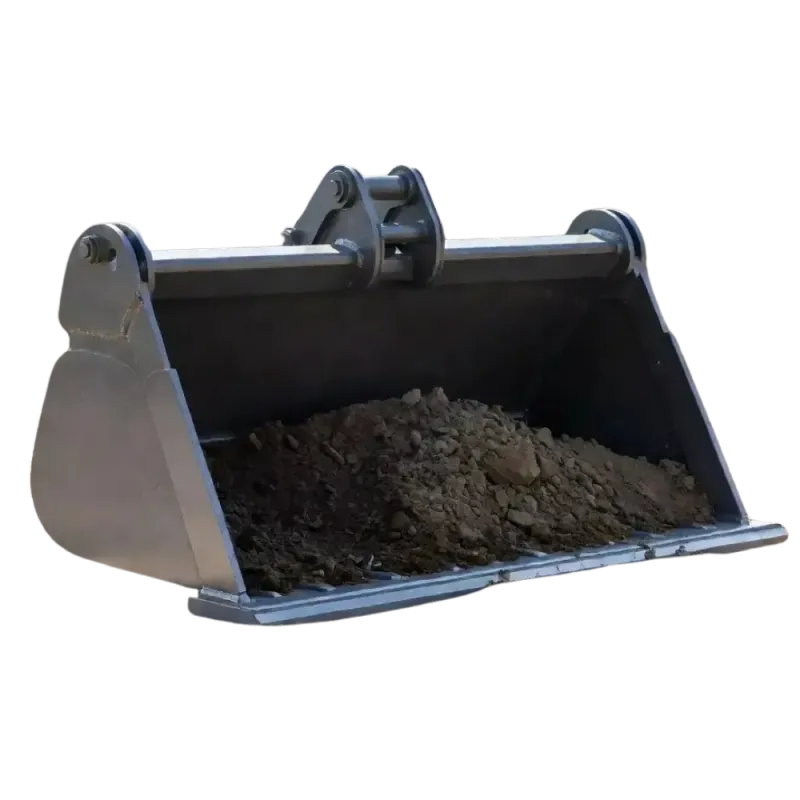
The honest answer is that they solve different problems, and most serious operations eventually own both. A standard rock bucket is simpler: no moving parts beyond the tilt function, a fixed capacity, and it's the right call when material is loose and uniform enough to scoop cleanly, gravel, sifted rock, or general fill. Where a bucket falls short is anything irregular or bulky. A rock too large for the bucket's opening, a tangle of brush, a scattered pile of debris; none of that sits cleanly in a fixed container, and a bucket will lose material trying to lift it.
A grapple is the better call whenever the load won't hold its shape inside a bucket on its own. If your work is mostly loose material handling, start with a bucket. If you're regularly dealing with brush, storm debris, oversized rock, or anything that needs to be gripped rather than scooped, the grapple earns its cost back the first time it saves you from a job that would've taken three passes with a bucket instead of one.
Cost is usually the deciding factor for buyers trying to choose just one to start with. A standard bucket is typically the lower-cost entry point, which makes it the reasonable first purchase if you're not yet sure how often grip-and-hold jobs will come up. But if you already know your work regularly involves brush clearing, storm cleanup, or moving rock too large to scoop, buying the grapple first and adding a bucket later is usually the more efficient order, since the grapple covers a wider range of job types on its own.
Common Questions Before You Buy
Is there a weight limit on what the grapple can pick up? There's no fixed weight rating on the grapple itself; what limits capacity in practice is your skid steer's own lift capacity and hydraulic power, not the attachment's frame or claw.
Does it come with a warranty? No. Silver Star doesn't currently offer warranties on this or any attachment; every unit is built and tested before it ships to confirm it meets build quality standards.
Are financing options available? Not currently, though it's something being evaluated for the future.
Is there a printed manual? No printed manual ships with the grapple, but instructional videos on general operation are available on request.
Knowing these upfront avoids any surprises after you've already made a buying decision.
Ready to Get the Right Grapple for Your Machine?
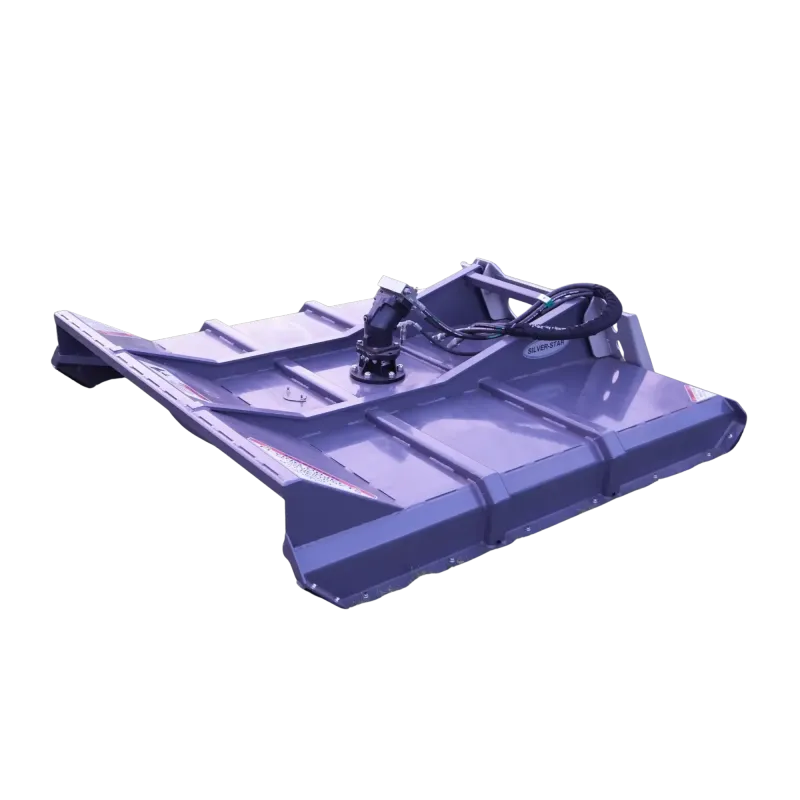
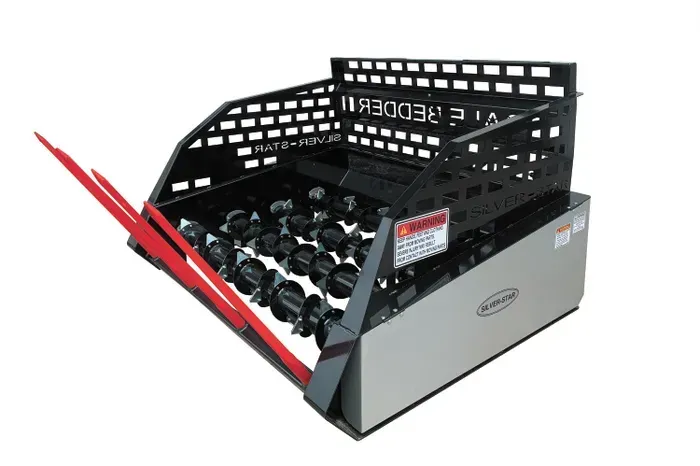
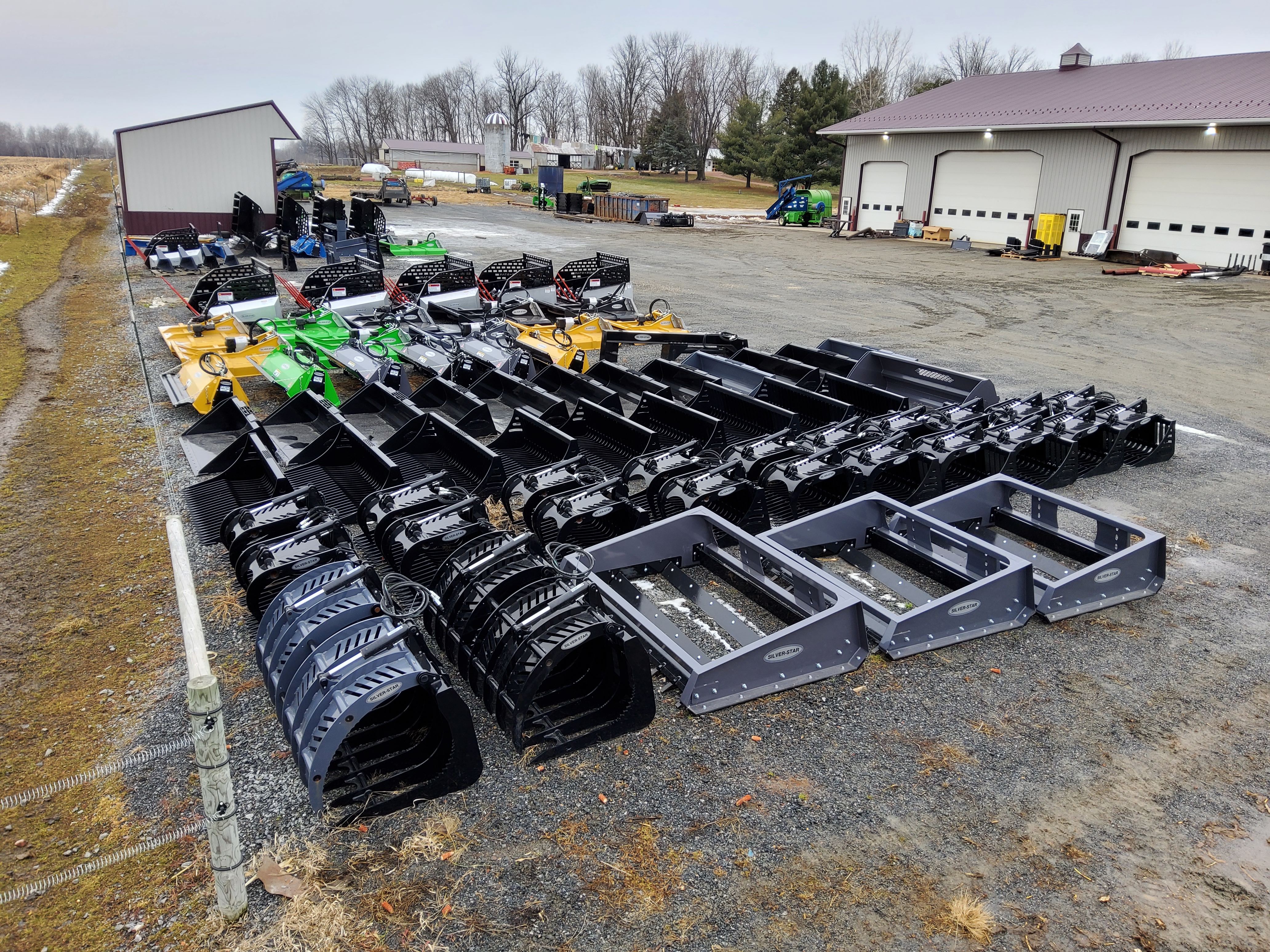
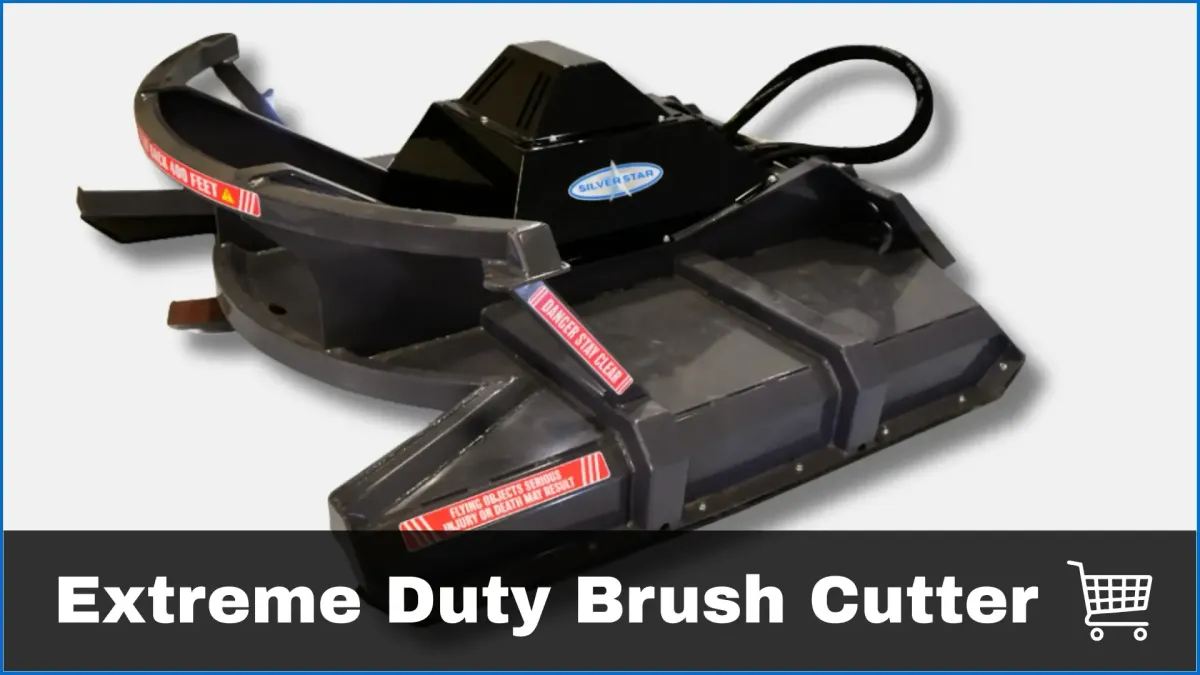
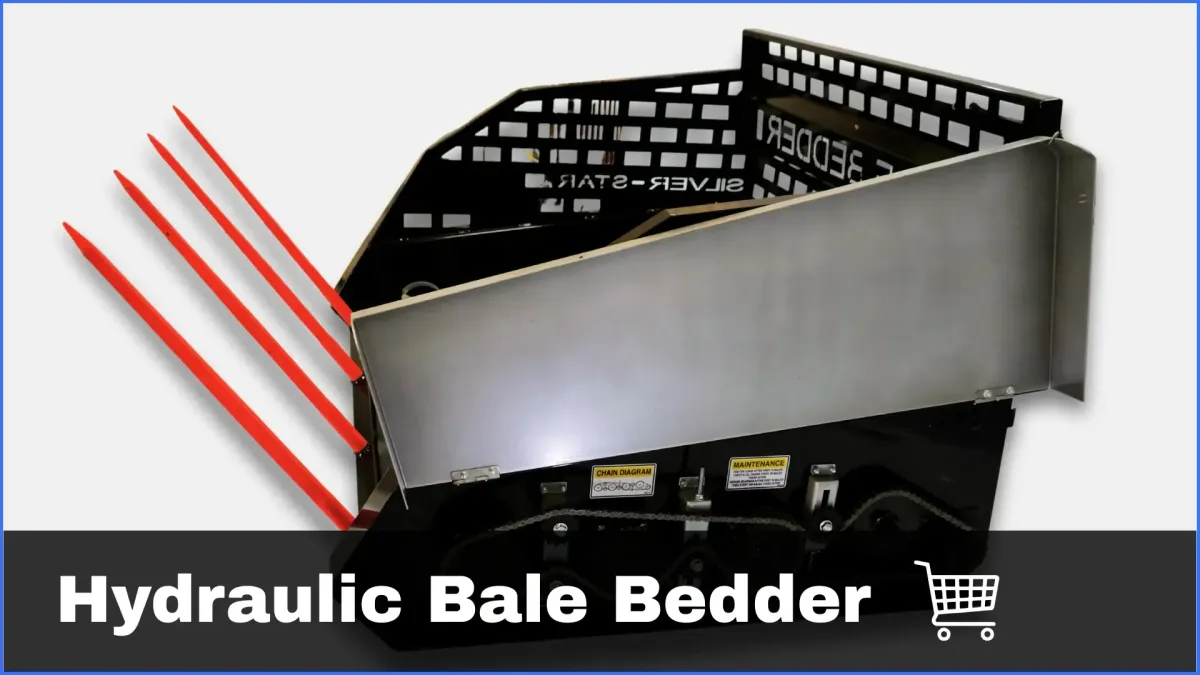
If you're still deciding between a grapple and a brush cutter for land-clearing work specifically, theBrush Cutter vs. Brush Grapple comparison breaks down which one actually clears ground faster for your situation. And if you want to see how the grapple fits alongside everything else Silver Star builds, the full attachment lineup covers every category from buckets to bale bedders in one place.
For rock, brush, log, and debris handling that a standard bucket can't manage cleanly, the Heavy Duty Brush Grapple is built to close that gap, and it's ready to fit whatever skid steer you're already running.
Frequently Asked Questions About the Heavy Duty Brush Grapple
Is there a weight limit on what the grapple can pick up?
There's no fixed weight rating on the grapple itself; what limits capacity in practice is your skid steer's own lift capacity and hydraulic power.
Does it come with a warranty?
No. Silver Star doesn't currently offer warranties on this or any attachment; every unit is built and tested before it ships to confirm it meets build quality standards.
Are financing options available?
Not currently, though it's something being evaluated for the future.
Is there a printed manual?
No printed manual ships with the grapple, but instructional videos on general operation are available on request.