




What Are Skid Steer Attachments? A Complete Buyer's Guide for Contractors and Farmers
What Are Skid Steer Attachments? A Complete Buyer's Guide for Contractors and Farmers
Skid steer attachments are crucial tools that enhance the versatility and productivity of skid steer loaders, primarily used by contractors and farmers. These attachments allow operators to perform a variety of tasks, from digging to lifting, thus significantly improving operational efficiency. This guide explores the various types of skid steer attachments, their features, and how they can benefit specific agricultural and construction applications, along with essential purchasing considerations and maintenance tips that can greatly prolong the lifespan of these vital tools.
Why Skid Steer Attachments Matter for Contractors and Farmers
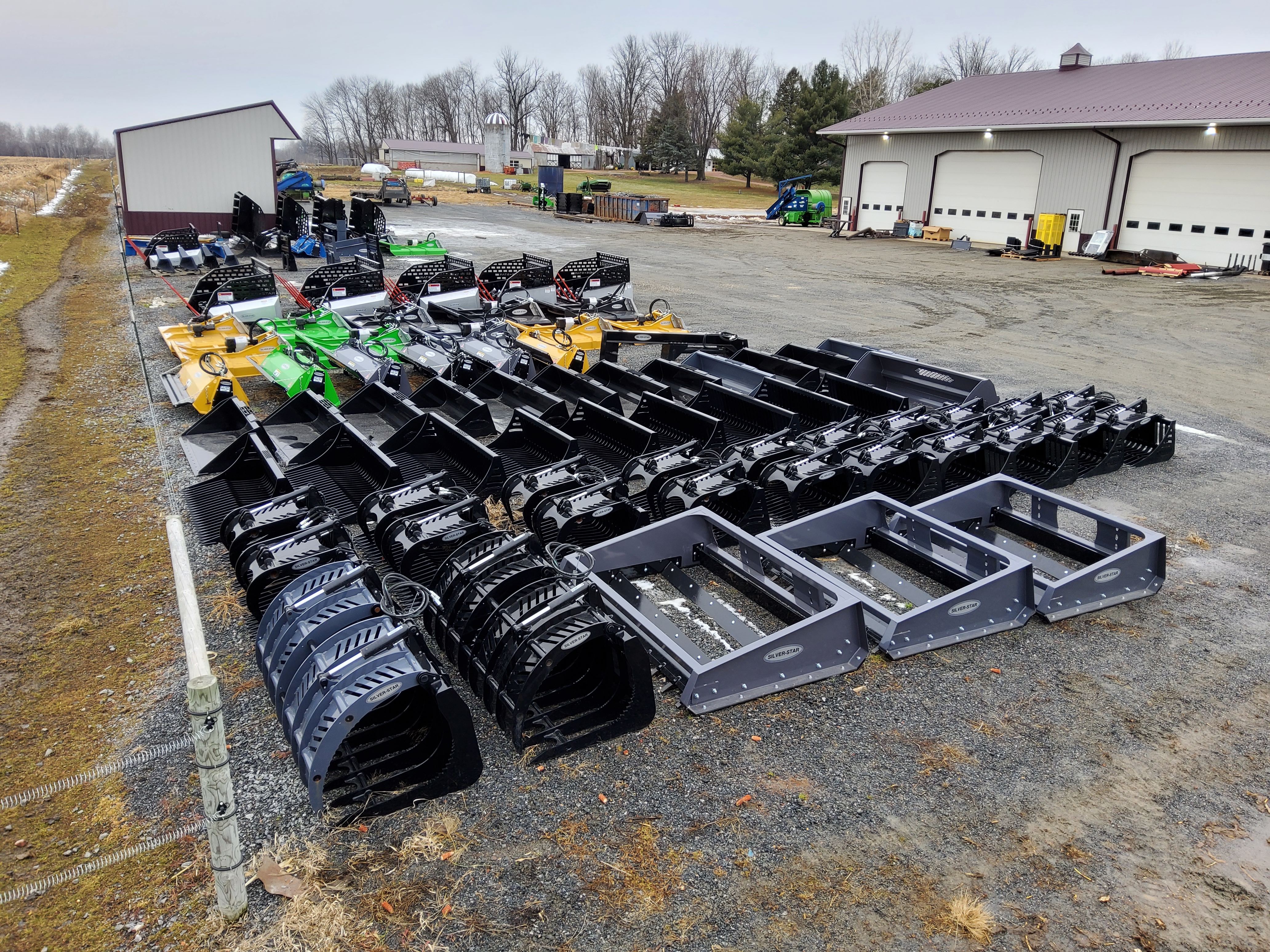
Skid steer attachments significantly enhance productivity for both contractors and farmers by transforming a single piece of equipment into a multi-functional machine. These attachments are critical for various tasks including earth moving, material handling, and site preparation. The versatility provided by these attachments supports several applications, ultimately impacting productivity and efficiency in both agricultural and construction settings.
Using appropriate attachments can streamline operations, reducing the time and labor required for specific tasks. Understanding the importance of selecting the right skid steer attachments is paramount for operational success; mismatches can lead to inefficiencies and increased costs.
What Skid Steer Attachments Actually Are
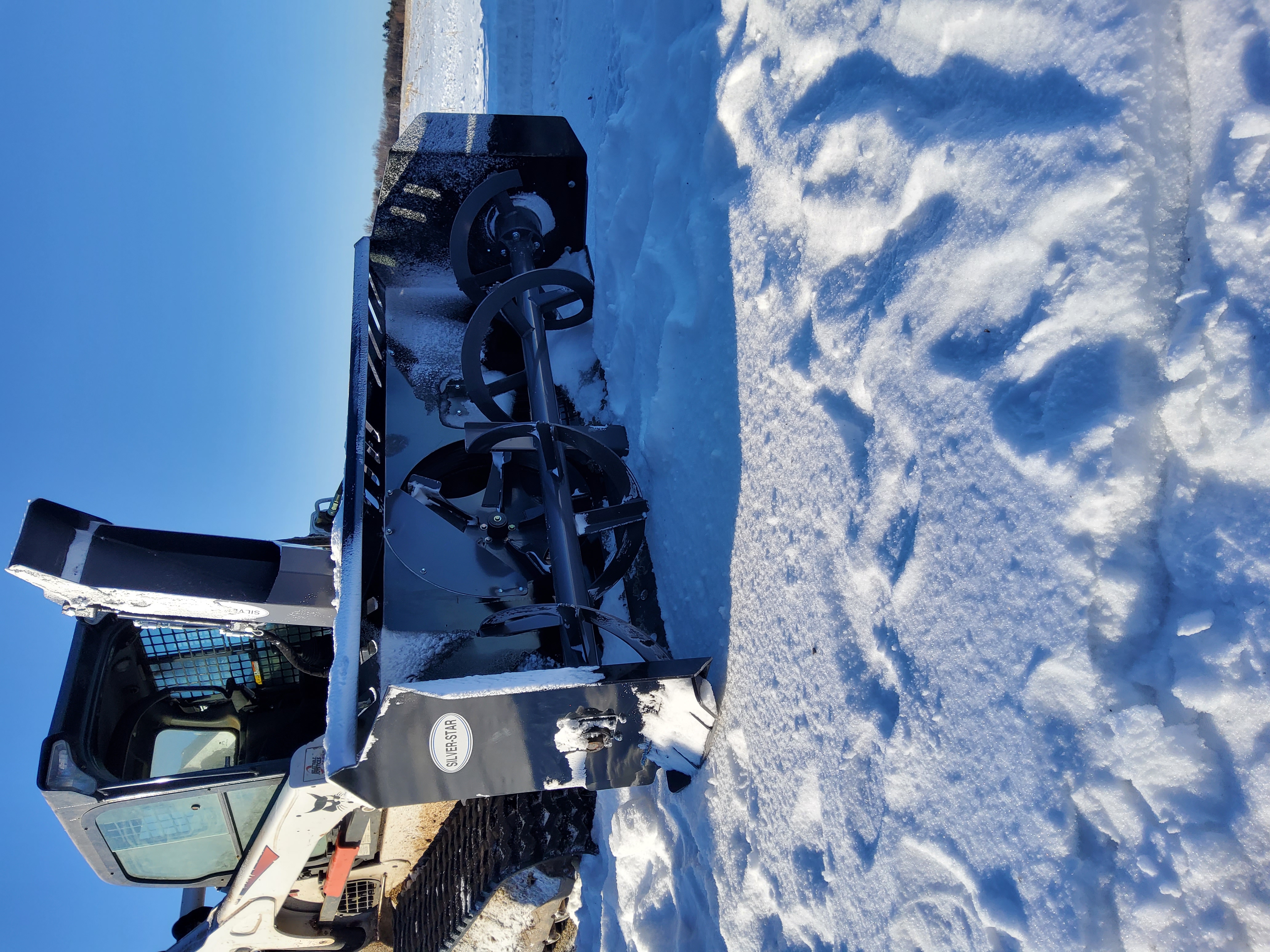
Skid steer attachments are specialized tools designed to couple with skid steer loaders, allowing them to perform specific tasks beyond their base functions. These attachments utilize a mounting system that enables quick attachment and detachment, facilitating seamless transitions between operational modes. By understanding what skid steer attachments are and how they operate, users can effectively select and utilize them based on their specific needs.
Essential Types of Skid Steer Attachments
Skid steer attachments come in various types, each serving specific purposes suited for different job requirements and industry applications. Identifying which types are essential depends on the specific tasks within a contractor's or farmer's domain: agricultural work often prioritizes buckets, augers, and pallet forks for planting and transporting produce, while construction work leans more on grapples and brush cutters for site preparation and clearing.
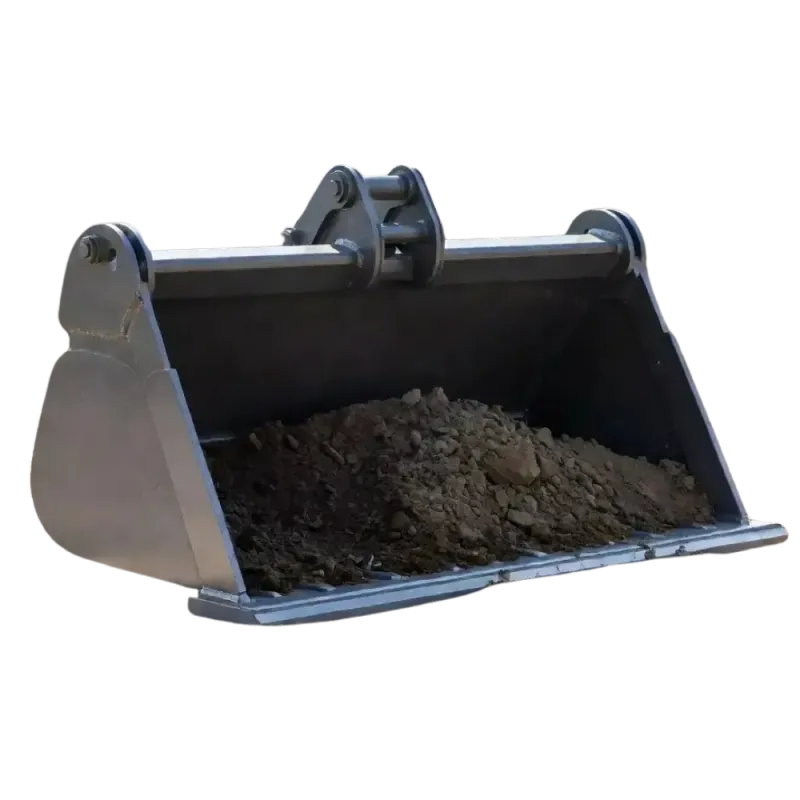
Buckets: Ideal for digging, carrying, and dumping materials. They come in various sizes and shapes to accommodate different materials.
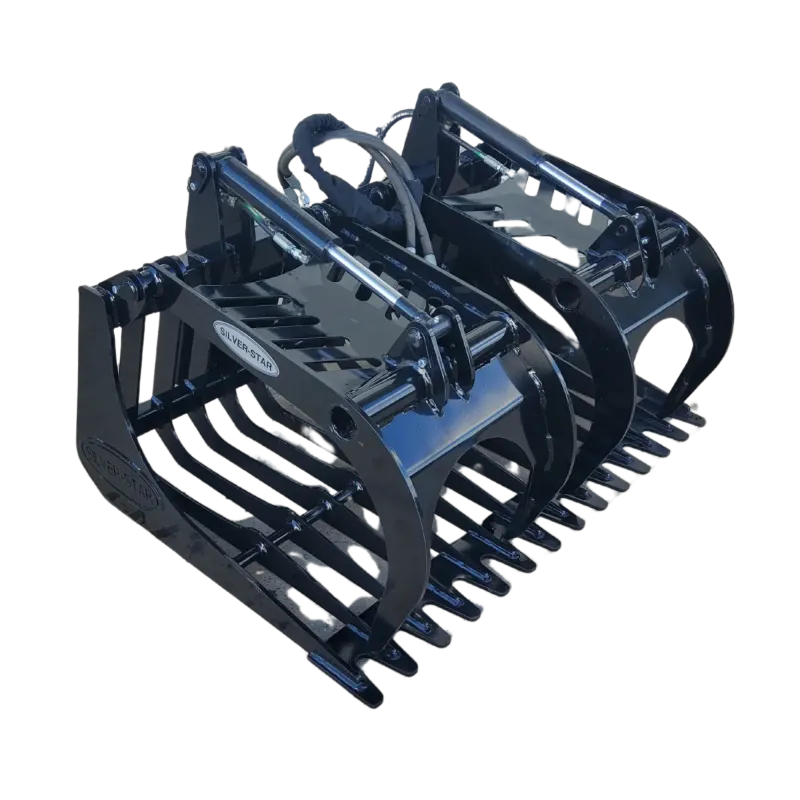
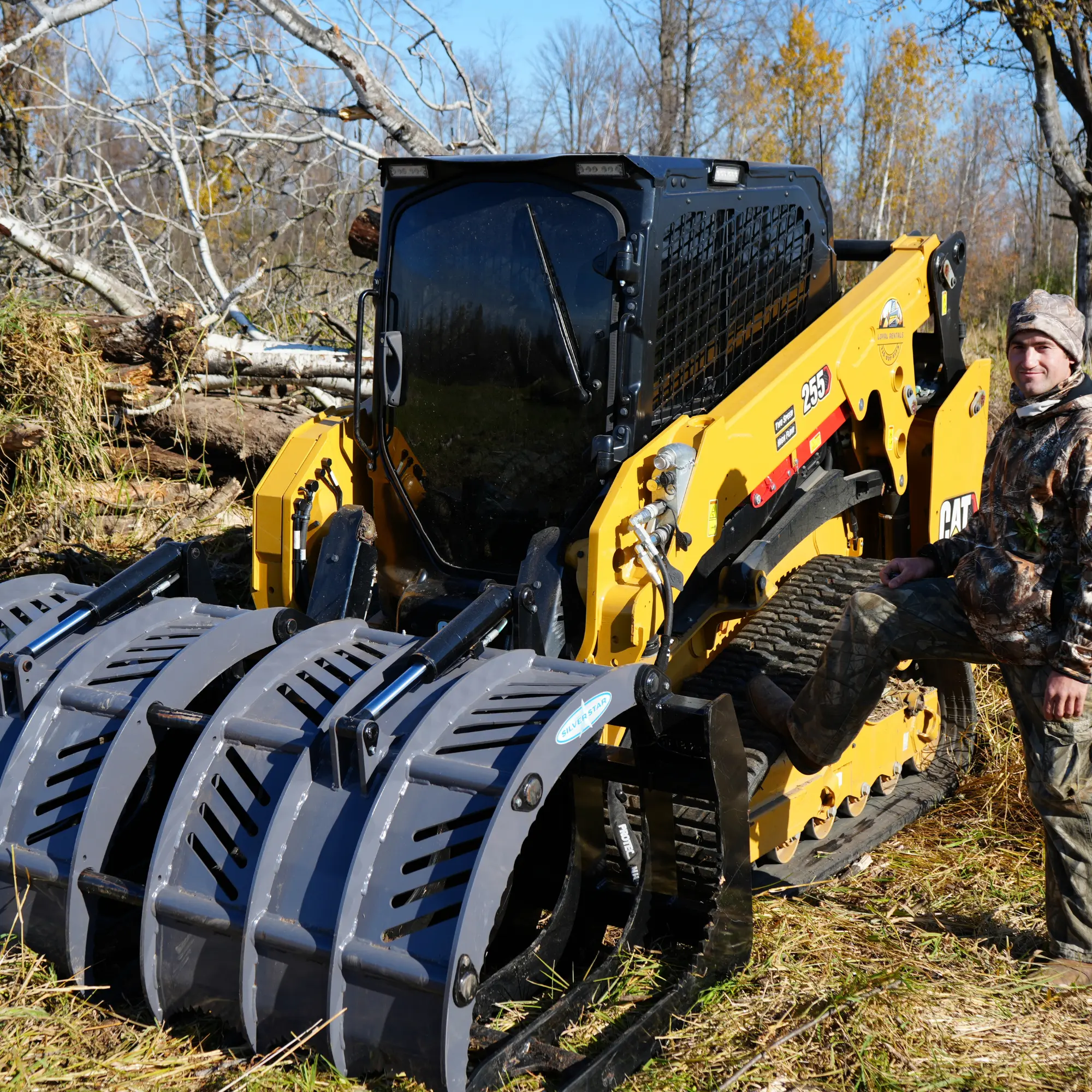
Grapples: Used for grasping and manipulating large objects, making them perfect for demolition and land-clearing tasks.
Augers: Designed for drilling holes in the ground, particularly useful for planting tasks or setting fences.
Pallet Forks: Allow for easy handling of pallets, making them suitable for loading and unloading materials. Considerheavy duty pallet forksfor increased strength and durability.
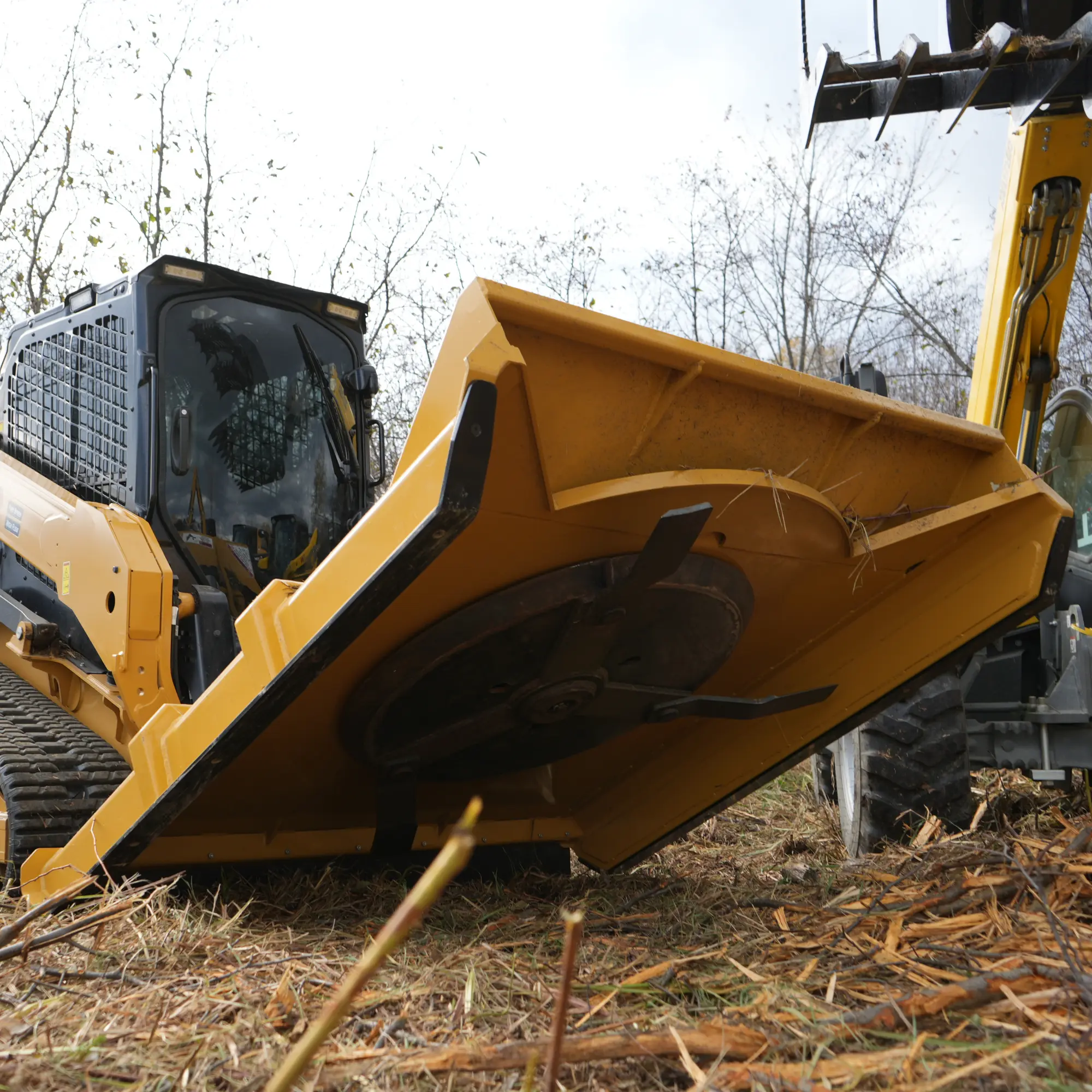
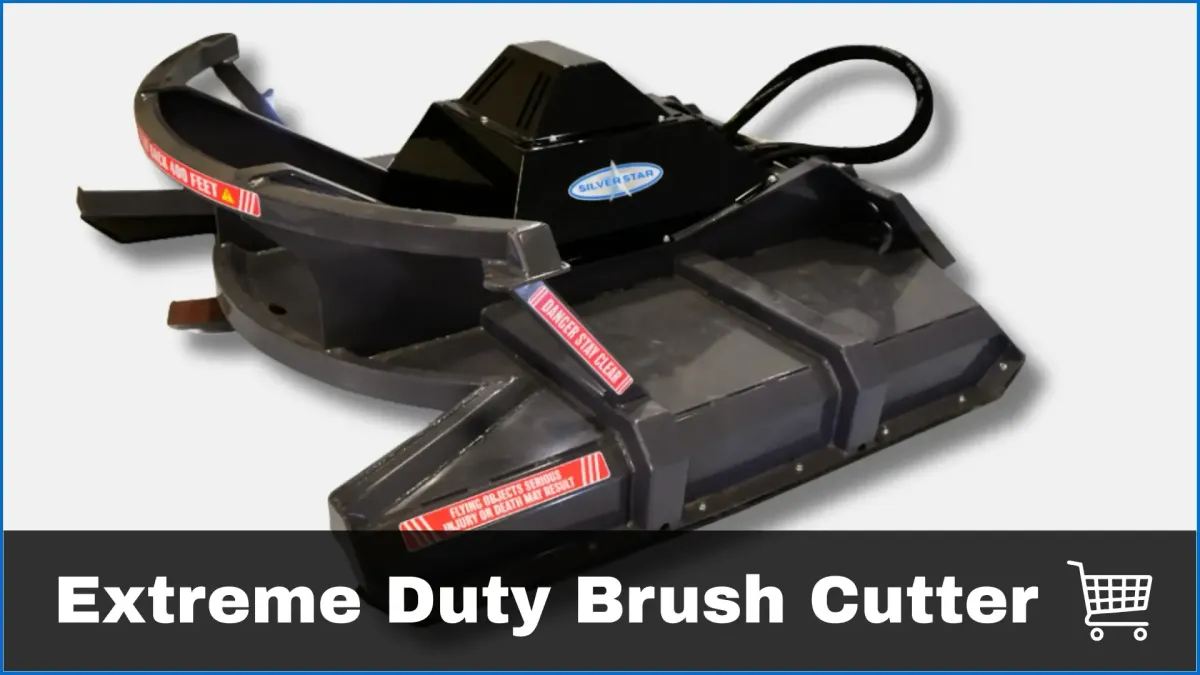
Brush Cutters for skid steer: Effective for clearing vegetation and overgrowth, essential in landscaping and land management.
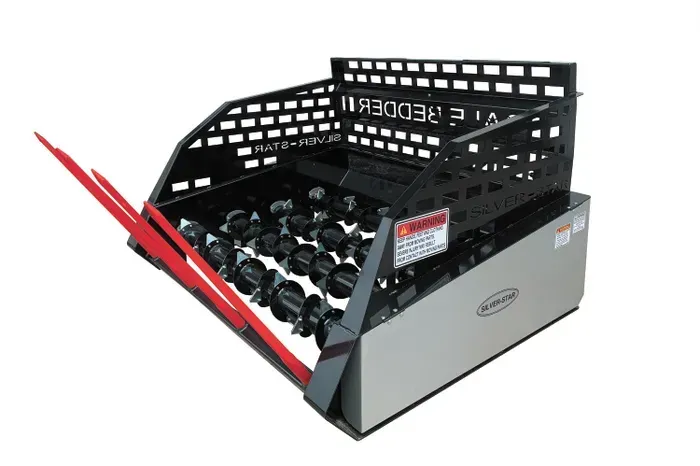
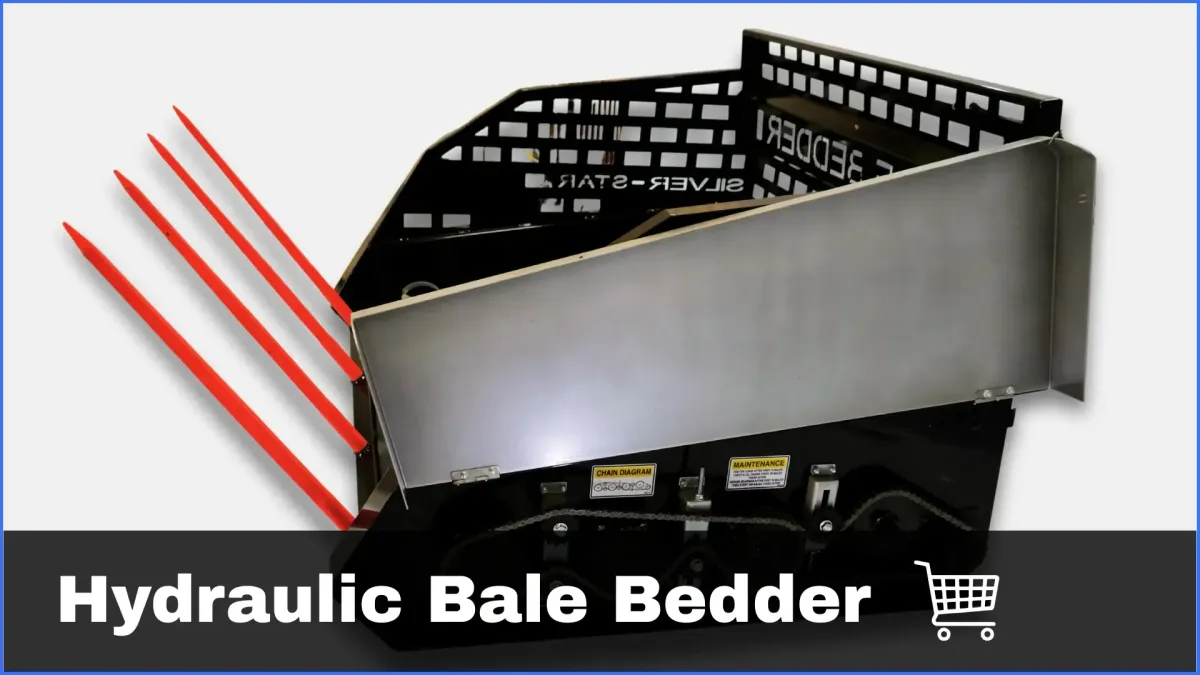
Additionally,skid steer bale processorsare valuable for handling and processing baled materials on farms. Each type of attachment has unique features and advantages that cater to specific industry demands, enhancing productivity and operational efficiency.
Features and Uses of Standard Attachment Types
The design of skid steer attachments aims to maximize performance in targeted applications. Buckets increase material-carrying capacity with tapered edges for efficient loading. Grapples feature a clamping mechanism that offers precision for handling varying material sizes, while augers are built with robust spirals to provide optimal drilling power. Pallet forks come with adjustable widths to accommodate different pallet sizes, allowing for versatility. Brush cutters for skid steer, equipped with heavy-duty blades, effectively clear away unwanted vegetation without damaging the underlying soil. Understanding these features helps users appreciate the specific benefits each attachment offers, enabling them to select based on their operational requirements effectively.
How Heavy-Duty Tools Enhance Equipment Performance
Heavy-duty skid steer attachments are engineered to withstand rigorous use and offer superior performance. They enhance productivity by providing increased durability, allowing equipment to tackle more demanding tasks without the risk of damage. The robust build often translates to reduced wear and tear over time, resulting in decreased maintenance costs. Furthermore, heavy-duty tools often come with features that boost efficiency, such as hydraulic enhancements that allow for faster operation. These tools possess advanced steel compositions and superior engineering that facilitate high load capacities and effective operation, and they reduce downtime significantly since they tend to withstand impact better than standard alternatives.
Contractors and farmers benefit significantly from the use of these durable attachments, ensuring that their equipment continues to perform optimally under heavy loads and rigorous conditions, and translating to enhanced operational efficiency when tackling more demanding tasks confidently.
Custom Metal Fabrication: Benefits and Process
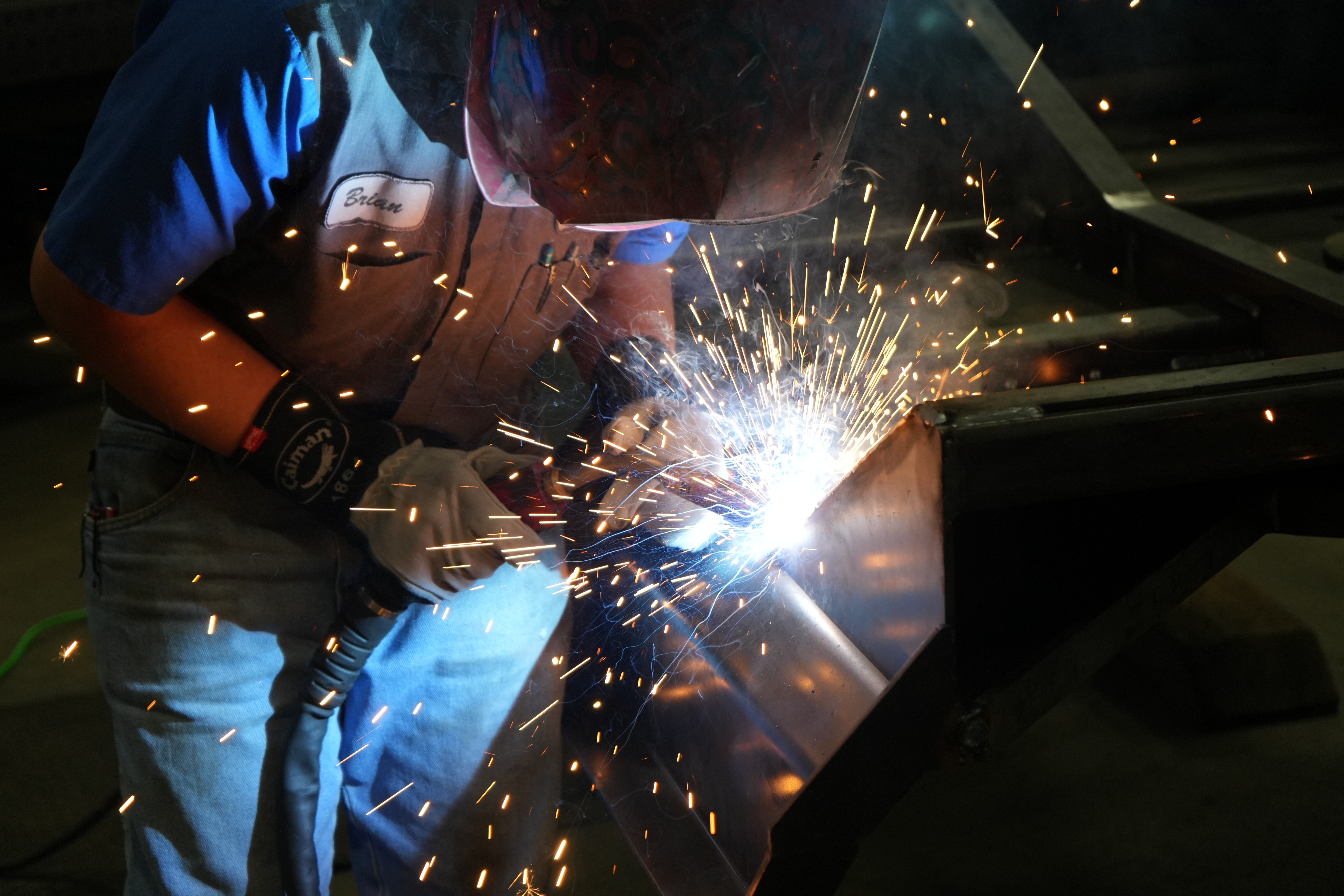
Custom metal fabrication allows for the creation of specialized skid steer attachments tailored to specific operational needs. This tailored approach ensures that the attachments are compatible with existing machinery and optimized for the tasks at hand, leading to adaptations that promote efficiency and effectiveness for unique tasks. Some key benefits include:
Customized Fit: Bespoke fabrication ensures a perfect fit with existing equipment, eliminating compatibility issues.
Enhanced Performance: Custom attachments can be designed to improve efficiency for specific tasks, maximizing operational output.
Durability: High-quality materials used in custom fabrication result in longer-lasting attachments due to better engineering practices, reducing the need for frequent replacements and providing an edge over standard attachments.
Understanding these advantages helps contractors and farmers make informed decisions that align with their operational goals. The comparison highlights why custom solutions often provide better long-term value for businesses that rely heavily on their equipment.
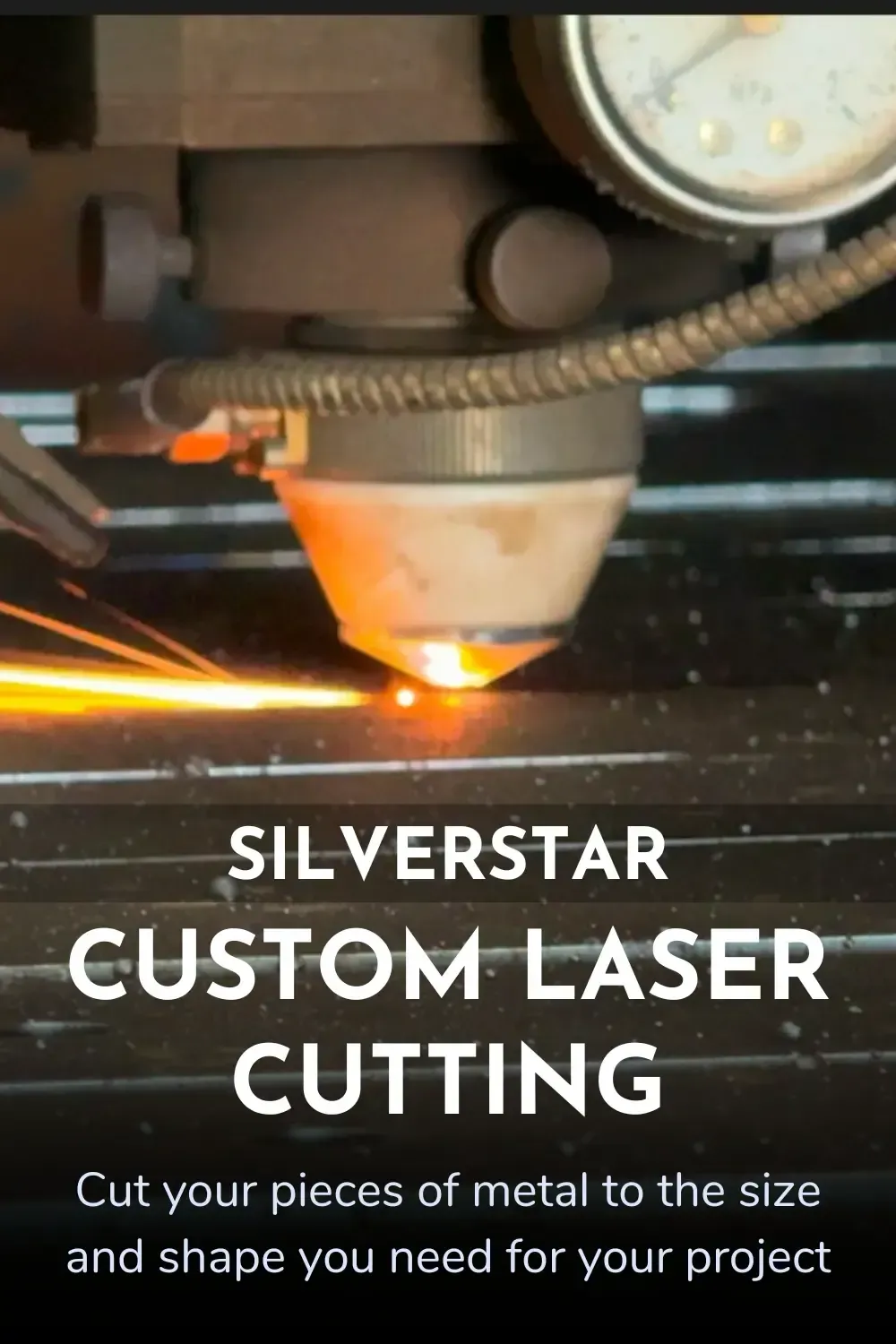
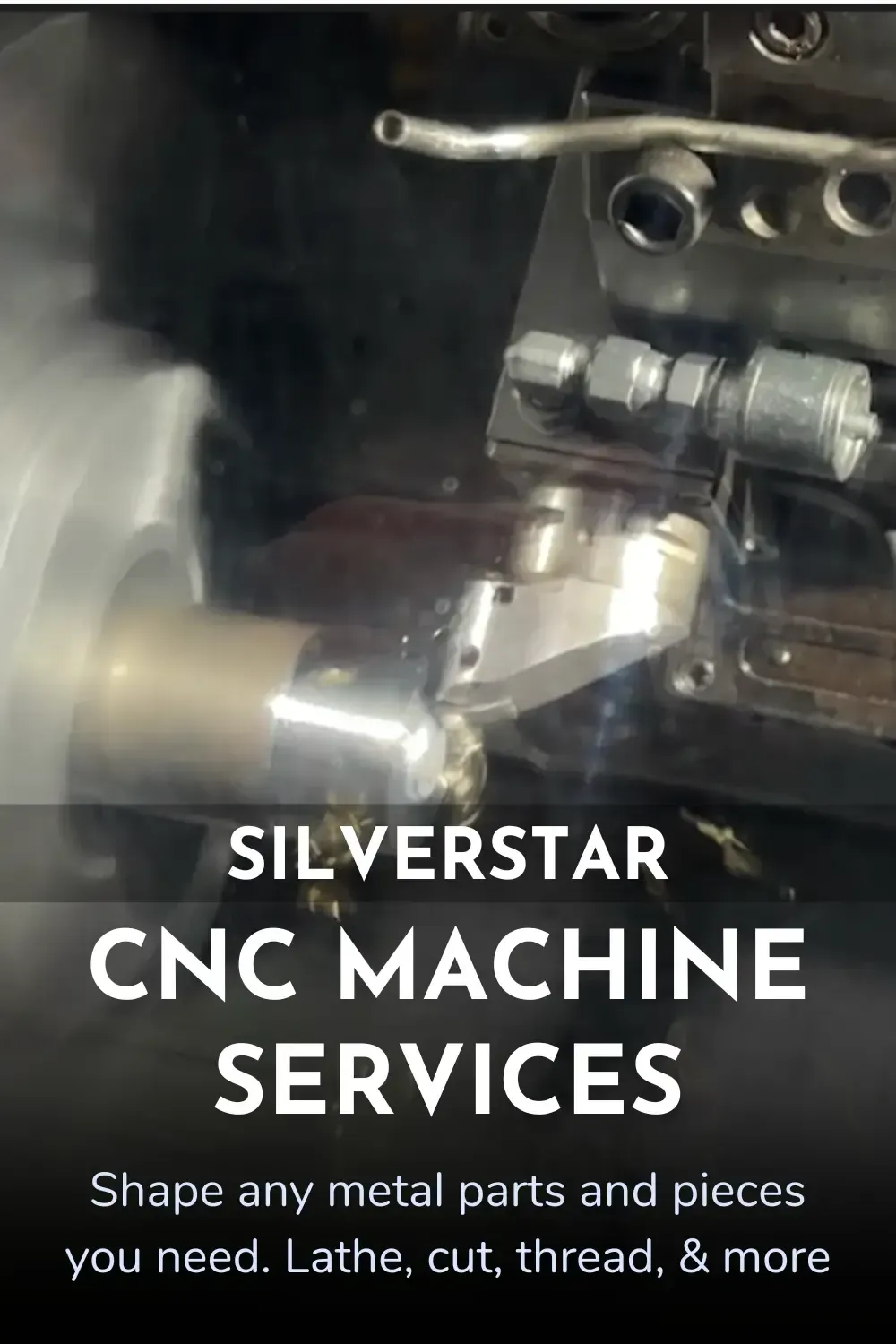
Creating custom skid steer attachments involves a series of steps that ensure the final product meets specific operational needs. The process typically begins with consultation, where the needs and objectives are clearly defined. Next, thorough design engineering takes place, often utilizing CAD software to visualize the attachment before fabrication. After approval, the fabrication involving cutting, welding, and assembly follows. Finally, testing ensures that the attachment performs to expectations under operational conditions. This process emphasizes the importance of collaboration between users and fabricators to achieve optimal results, and a thorough understanding of it allows users to appreciate the intricate design and manufacturing standards involved in producing quality attachments.
For those seeking high-quality skid steer attachments and custom fabrication services, Silver Star Metals LLC offers a range tailored to contractors and farmers, ensuring they find the right equipment to meet their needs.
Purchasing Considerations
When selecting skid steer attachments, several critical factors need to be considered to ensure compatibility and utility, and considering these factors allows contractors and farmers to make better purchasing decisions that meet their operational needs:
Type of Work: Determine the specific tasks the attachment will be used for. Different industry applications significantly influence the type of attachment selected: agricultural applications might favor attachments designed for material handling and digging, while construction industries might prioritize attachments suited for demolition or earthmoving tasks.
Hydraulic Specifications: Ensure that the attachment matches the hydraulic capabilities of the skid steer loader so it operates correctly without straining the loader's hydraulic system.
Physical Compatibility: Assess size and weight constraints, including durability, size, and hydraulic compatibility, to ensure proper functioning. Durability ensures the attachment can withstand harsh working conditions without failing, and size must be appropriate for the skid steer loader and designed to handle the necessary workload.
Local Dealers: It's beneficial to consult local dealers who can provide insights into quality options and aftermarket support.
These considerations help guide effective purchasing decisions and should not be overlooked to avoid costly mistakes. Choosing custom attachments over standard models offers multiple benefits, including enhanced performance tailored to specific tasks, better durability, and compatibility with existing skid steer loaders, along with innovative features that may not be available in off-the-shelf attachments.
Installation and Maintenance Best Practices
Best practices for both installation and maintenance lead to optimal performance and longevity of skid steer attachments, and following them allows for efficient function and safety in operation.
Proper installation starts with inspecting attachments for any signs of damage before installation. Next, ensure that all bolts and connections are secured tightly according to manufacturer instructions. Lastly, a thorough check of hydraulic connections should be performed to prevent leaks or malfunctions during operation. This meticulous approach ensures that equipment runs efficiently and safely.
Maintaining skid steer attachments is essential for ensuring longevity and consistent performance. Key maintenance measures include:
Regular Inspections: Conduct routine checks for wear, damage, and proper operation.
Proper Cleaning: After each use, clean the attachments to remove debris and prevent corrosion, avoiding corrosion by cleaning debris after use.
Lubrication: Ensure pivot points and moving parts are adequately lubricated to reduce friction and wear.
By adhering to these maintenance practices and performing routine checks to identify wear, users can significantly extend the life and performance of their attachments.
Frequently Asked Questions About Skid Steer Attachments
Do I need different attachments for agricultural work versus construction work?
Often, yes. Agricultural tasks like planting and transporting produce lean on buckets, augers, and pallet forks, while construction work more often calls for grapples and brush cutters for site preparation, clearing, and demolition-adjacent tasks.
How do I know if a skid steer attachment will strain my loader's hydraulic system?
Check the attachment's hydraulic flow and pressure requirements against your loader's actual hydraulic specifications, not just its general size class, before buying.
What's the biggest mismatch mistake buyers make with attachments?
Buying based on size or industry alone rather than matching hydraulic specifications and weight capacity to the loader's actual rated operating capacity, which is what most often leads to inefficiency and increased costs down the line.
Is custom fabrication worth it for a first-time skid steer attachment buyer?
Usually not for a first purchase. Custom fabrication earns its keep once you know your machine, ground conditions, and job types well enough to know a standard catalog attachment genuinely doesn't fit.