




How to Choose the Right Skid Steer Attachment for Efficient Brush Clearing
How to Choose the Right Skid Steer Attachment for Efficient Brush Clearing
Not every overgrown lot needs the same tool. A fence line choked with saplings, a field full of tall grass, and a lot dense with small trees all call for a different approach, and picking the wrong attachment means either paying for capability you don't need or fighting equipment that can't keep up with the job in front of you.
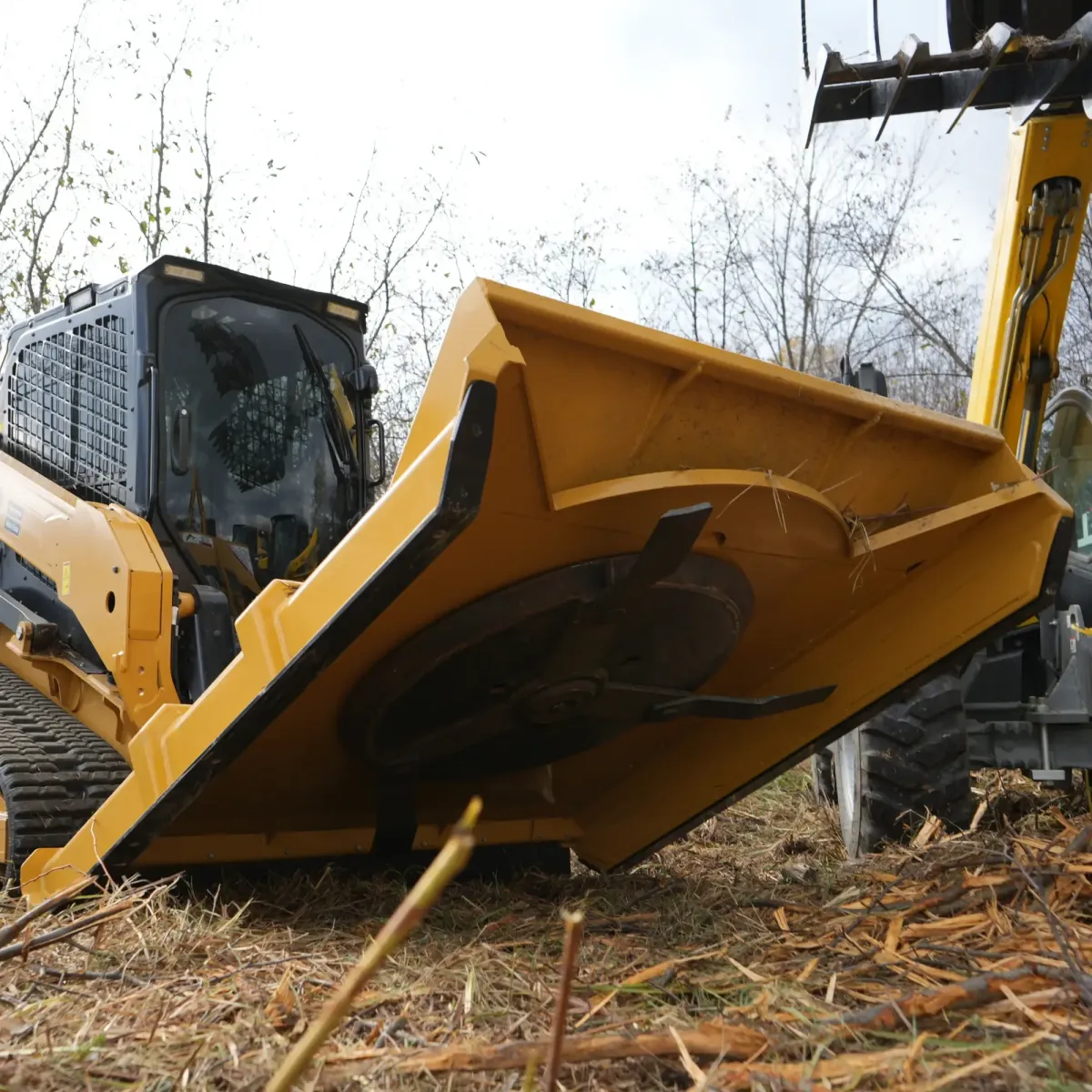
The right skid steer attachment for efficient brush clearing depends on vegetation density and job scale: a brush cutter attachment with rotary blades handles thick underbrush and small trees fastest, a forestry mulcher is better for larger brush and land reclamation, and a brush hog suits tall grass and light-brush maintenance. Match the attachment to your skid steer's weight capacity, horsepower, and cutting width before buying, since a mismatch on any one of these reduces cutting speed and increases wear. For most dense-brush, mixed-terrain jobs, a heavy-duty brush cutter offers the best balance of speed and versatility.

What You Need to Know Before You Choose
Before comparing specific attachments, gather four pieces of information. Having these answered up front turns the rest of this process into a straightforward match instead of a guessing game:
Vegetation type and density: Tall grass, thick brush, saplings, and small trees all require different cutting approaches.
Job scale: A one-time clearing job and ongoing seasonal maintenance call for different attachment tiers.
Your skid steer's specs: Hydraulic flow rate (GPM), operating weight capacity, and quick-attach compatibility.
Budget for the tier you actually need: Not the cheapest option, the correct one for your workload.
How to Choose the Right Attachment, Step by Step

Step 1: Assess Your Vegetation Density and Job Scale
Start by honestly categorizing what you're clearing. Light, grassy overgrowth and open-field maintenance call for a lighter cutting approach than dense brush, saplings, or small trees. If you're doing a one-time clearing job on heavily overgrown acreage, you need more cutting power than someone doing monthly fence-line upkeep on land that's already under control. Underestimating density here is the single most common mistake buyers make, and it's the one that leads to a cutter that stalls the first time it hits something thicker than expected.
It helps to walk the actual site rather than estimating from memory. Vegetation that looked like light brush from a distance often includes scattered saplings or woody growth that only becomes obvious up close, and that's exactly the kind of material that overwhelms an undersized cutter. A five-minute walk-through before you shop saves you from sizing an attachment to the wrong job.
Step 2: Match Cutting Width and Hydraulic Flow to Your Skid Steer
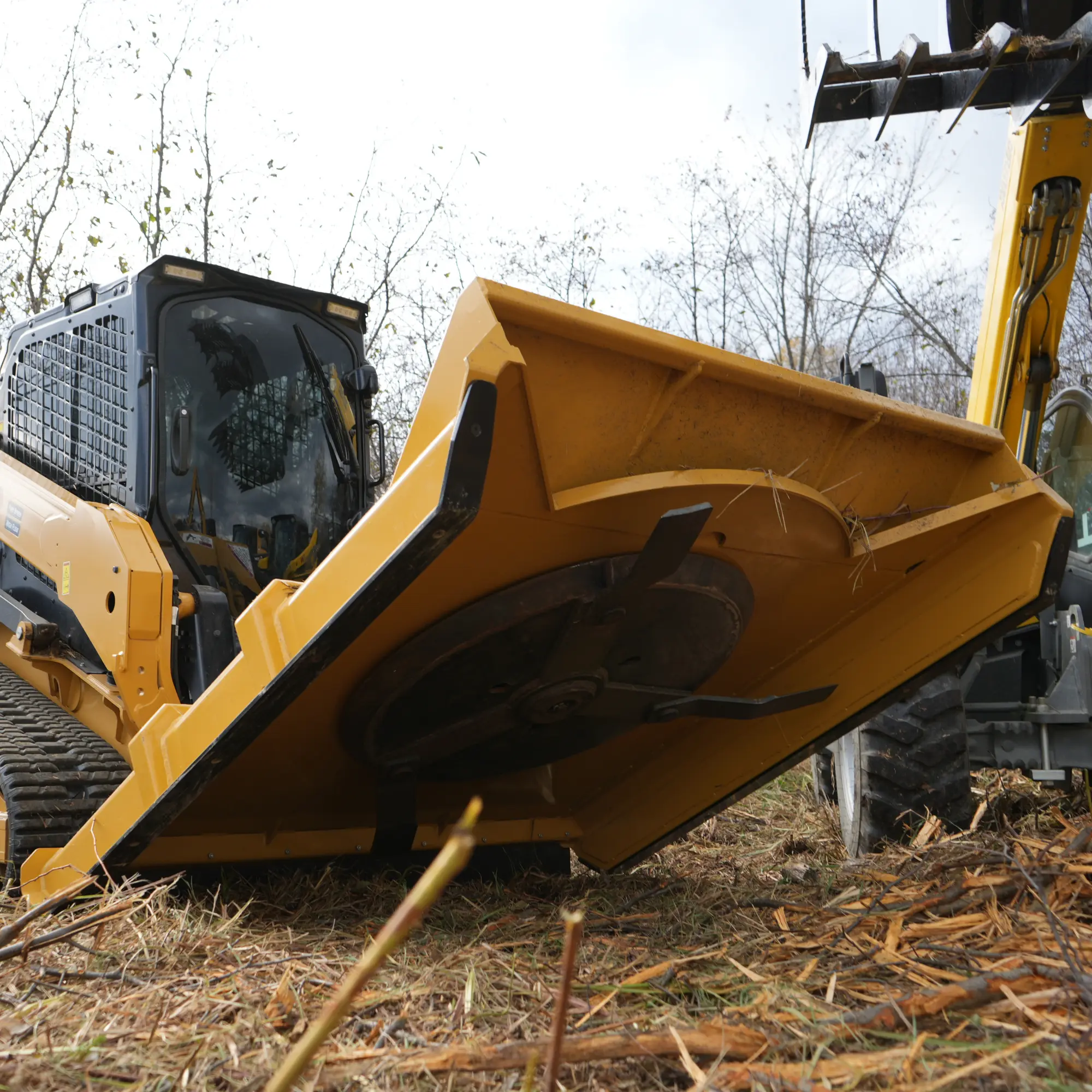
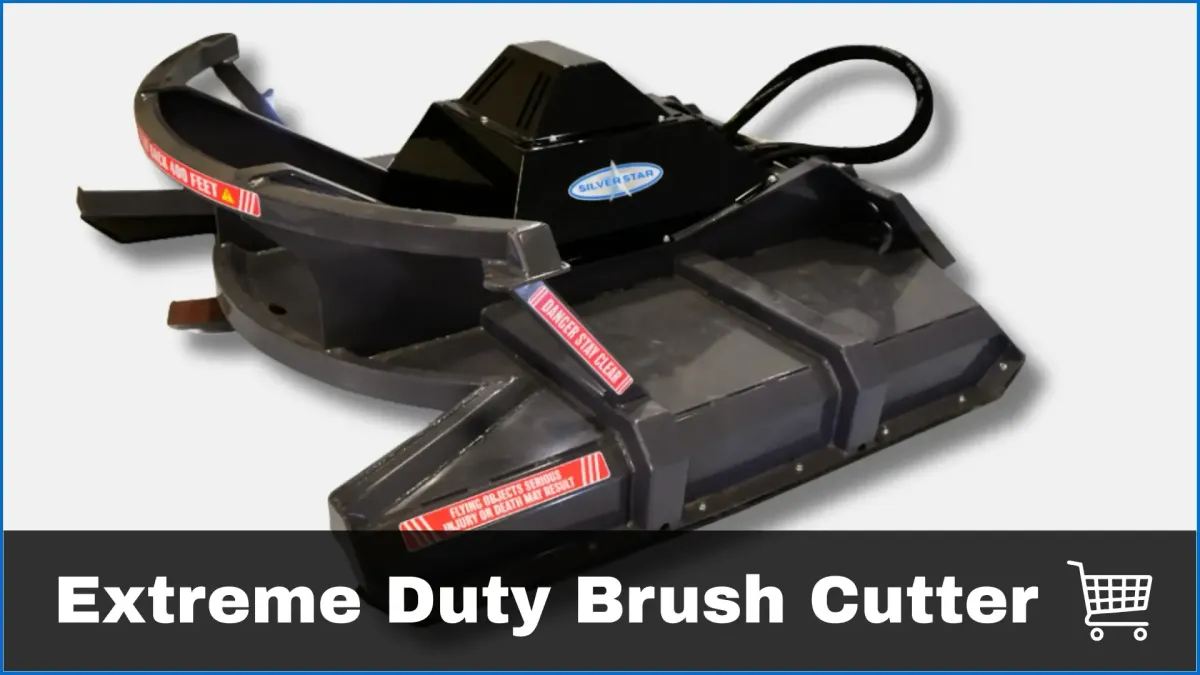
Everybrush cutter attachmentruns on your skid steer's auxiliary hydraulic system, so the attachment is only as capable as the flow feeding it. Pull your skid steer's actual GPM rating, not just its horsepower, and confirm it meets the attachment's minimum flow requirement. Cutting width matters here too: a wider deck clears more ground per pass but demands more flow to keep blade speed up across the full width, so pairing a wide deck with a low-flow machine is a mismatch that shows up immediately as sluggish cutting.
Horsepower and flow rate are not the same number, and this is where buyers most often get tripped up. A skid steer can have plenty of engine power while still being a low-flow unit that isn't rated to run a wide cutter at full capacity. If your machine's documentation lists GPM separately from horsepower, use the GPM figure to make this decision, not the engine rating.
Step 3: Choose Your Brush Cutter Tier
Once you know your vegetation density and your machine's specs, the tier decision gets simple. Astandard-duty brush cutterhandles general brush and grass maintenance efficiently. Atwin rotor brush cuttersteps up to denser growth and small trees when a single rotor would bog down. Choose based on the densest material you'll regularly encounter, not the average job, since undersizing for your worst-case terrain is what causes premature wear and repeated stalling.
It's worth resisting the urge to buy the cheapest tier that technically covers your average job. A cutter that's constantly pushed past its comfortable operating range wears out faster than one sized correctly from the start, and the repair costs from running an undersized unit on your hardest jobs typically exceed what the correct tier would have cost upfront.
Step 4: Consider a Grapple If the Job Is More Debris Than Cutting
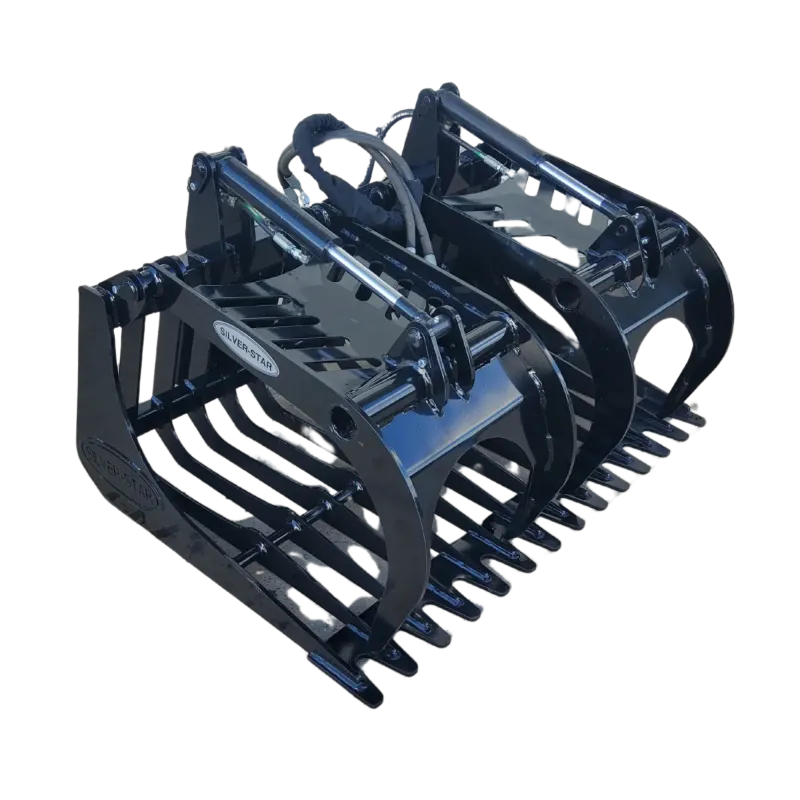
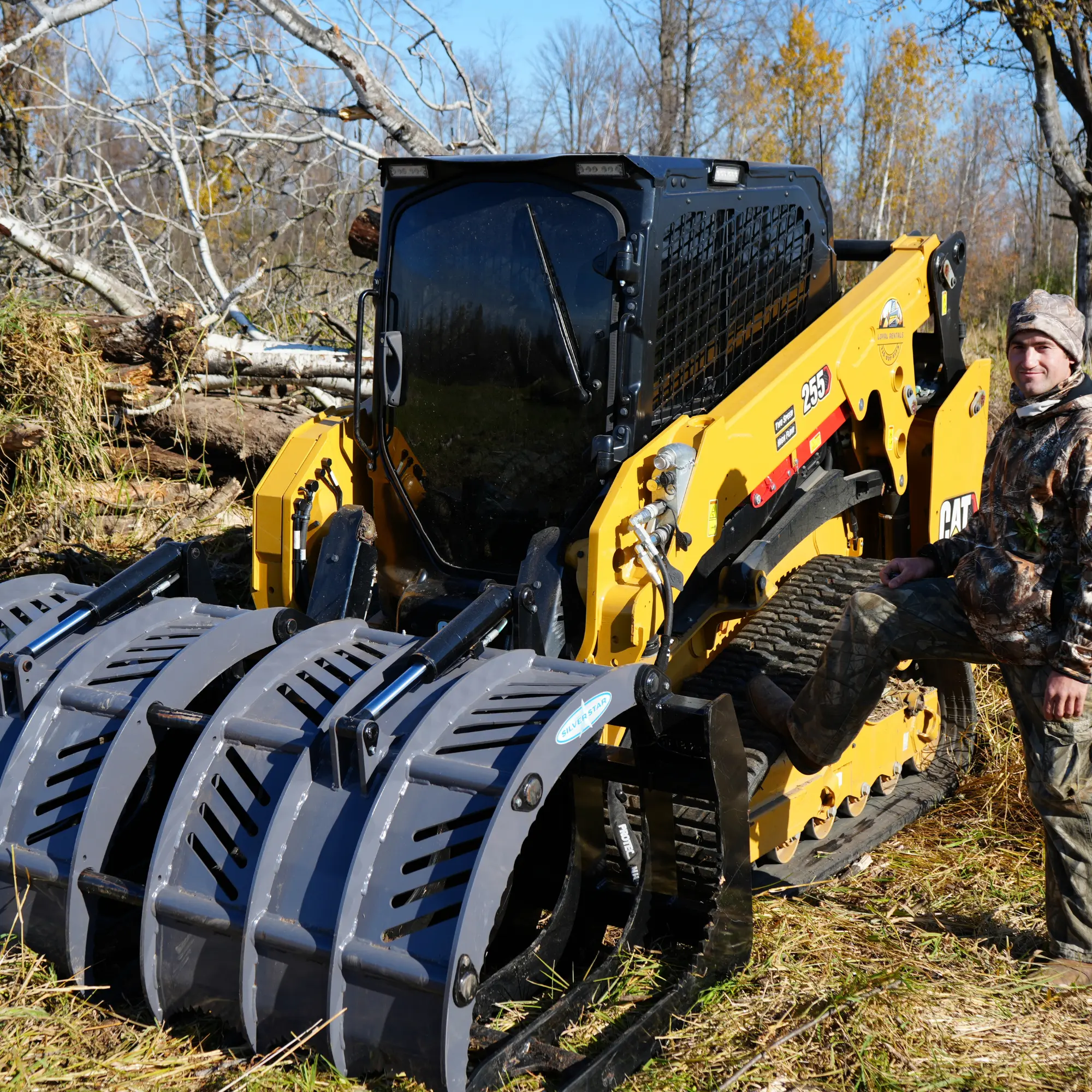
Not every brush job is actually a cutting job. If you're clearing storm debris, downed timber, or brush that's already cut and needs hauling rather than shredding, abrush grappledoes that work better than any cutter. Cutting and hauling are two different tasks, and trying to make one attachment handle both usually means doing neither one well. If your job includes both cutting live vegetation and clearing debris afterward, plan on needing both tools rather than forcing one to cover the whole job.
This is a common miscalculation for buyers focused purely on "brush clearing" as one task. Land-clearing jobs almost always involve a cutting phase followed by a cleanup phase, and budgeting for only the cutter often means discovering mid-job that you still need a way to haul what you just cut down.
Step 5: Confirm Compatibility Before You Buy
Before finalizing your choice, verify the attachment's mounting system matches your skid steer's quick-attach plate, and double-check the manufacturer's weight and hydraulic specs against your machine's actual capacity, not just its general class. A five-minute spec check here prevents the far more expensive problem of a mismatched attachment straining your hydraulic system or underperforming on the job you bought it for.
Frequently Asked Questions
What's the difference between a brush cutter, a forestry mulcher, and a brush hog?
A brush cutter uses rotating blades for a clean cut through thick underbrush and small trees. A forestry mulcher grinds larger brush and trees into mulch, useful for land reclamation. A brush hog is built for tall grass and light brush, better suited to maintaining open fields than dense clearing.
What factors determine if a brush clearing attachment fits my skid steer?
Three factors matter most: the attachment's weight relative to your skid steer's lifting capacity, whether your skid steer has enough horsepower to run it efficiently, and whether the cutting width matches the size of the area you're clearing.
What safety precautions should I follow when brush clearing with a skid steer attachment?
Wear PPE (helmet, gloves, eye protection), stay aware of obstacles and bystanders in the work area, and make sure every operator is trained on the emergency shutdown procedure before starting.
How do I maintain a brush cutter or mulcher attachment to extend its life?
Inspect blades and components for wear before each use, clean off debris and buildup after every job to prevent corrosion, and keep moving parts lubricated according to the manufacturer's schedule.
Are multifunctional attachments a good option for brush clearing?Yes, for operators handling varied terrain. Some newer attachments switch between cutting, mulching, and grappling functions, letting you adapt to different brush conditions without swapping equipment, which saves time and reduces overall attachment costs.
Ready to Match Your Attachment to the Job?
If you're weighing a cutter against a grapple for your specific terrain, theBrush Cutter vs. Brush Grapple comparison breaks down which one clears ground faster for your situation. For the complete picture across every attachment category, not just brush clearing, theComprehensive Guide to Skid Steer Attachments covers types, uses, and custom fabrication options in one place.
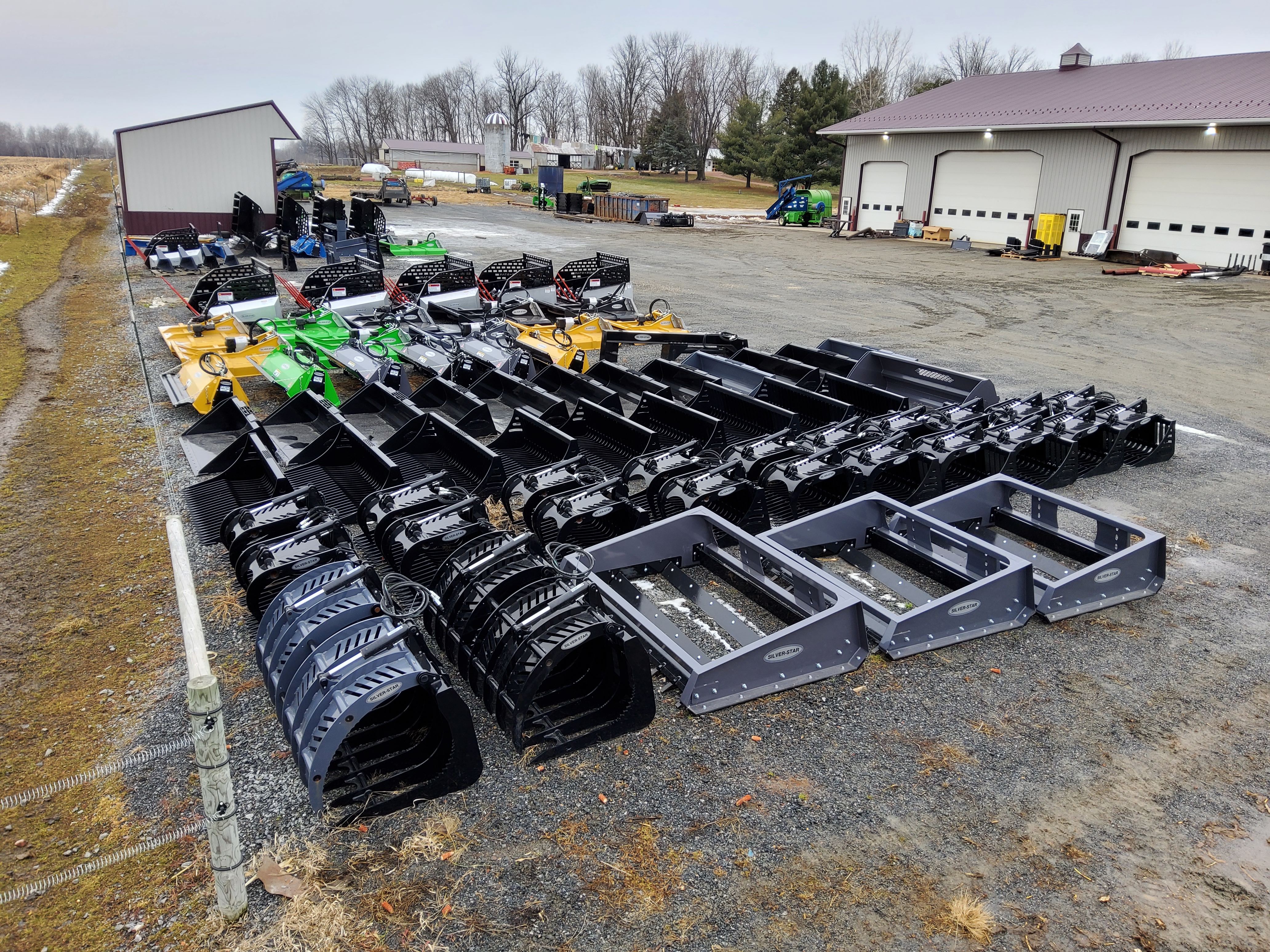
Browse thefull attachment line up to compare models side by side, or reach out if your job doesn't fit neatly into a standard tier. Custom fabrication is available when standard cutting widths or mounting patterns don't match your equipment.