




Top Considerations for Buying Skid Steer Brush Cutters
Top Considerations for Buying Skid Steer Brush Cutters
When buying a skid steer brush cutter attachment, prioritize three things: hydraulic compatibility (matching your skid steer's flow rate, typically 15-35 GPM), blade type (rotary for heavy brush and small trees, flail for grass and light vegetation), and build quality (heavy-duty reinforced steel that can handle repeated impact).
Cutting width and horsepower requirements should scale together: a wider deck needs a higher-flow skid steer to run efficiently. Getting these three right before you buy prevents mismatched performance, premature wear, and costly hydraulic damage down the line.
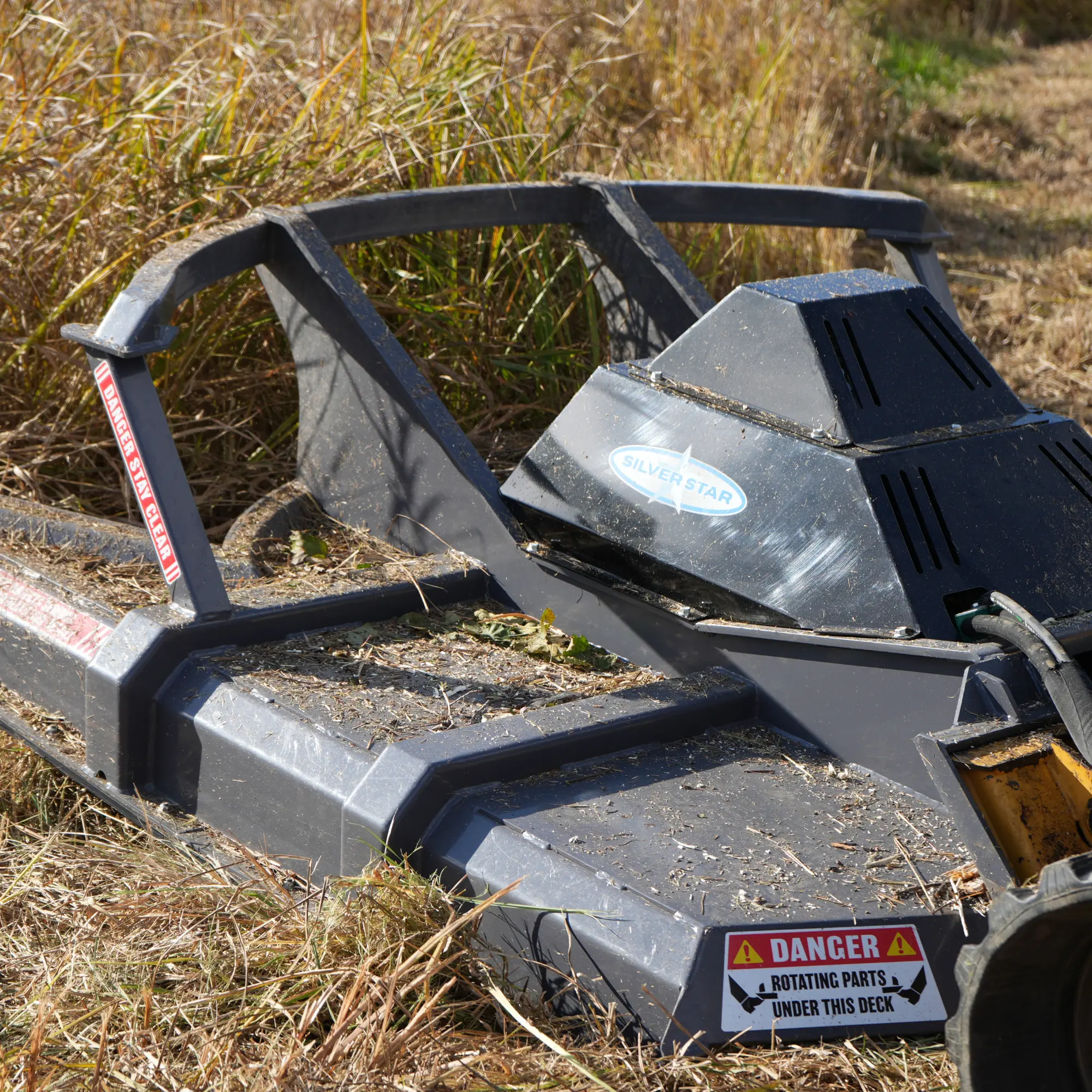
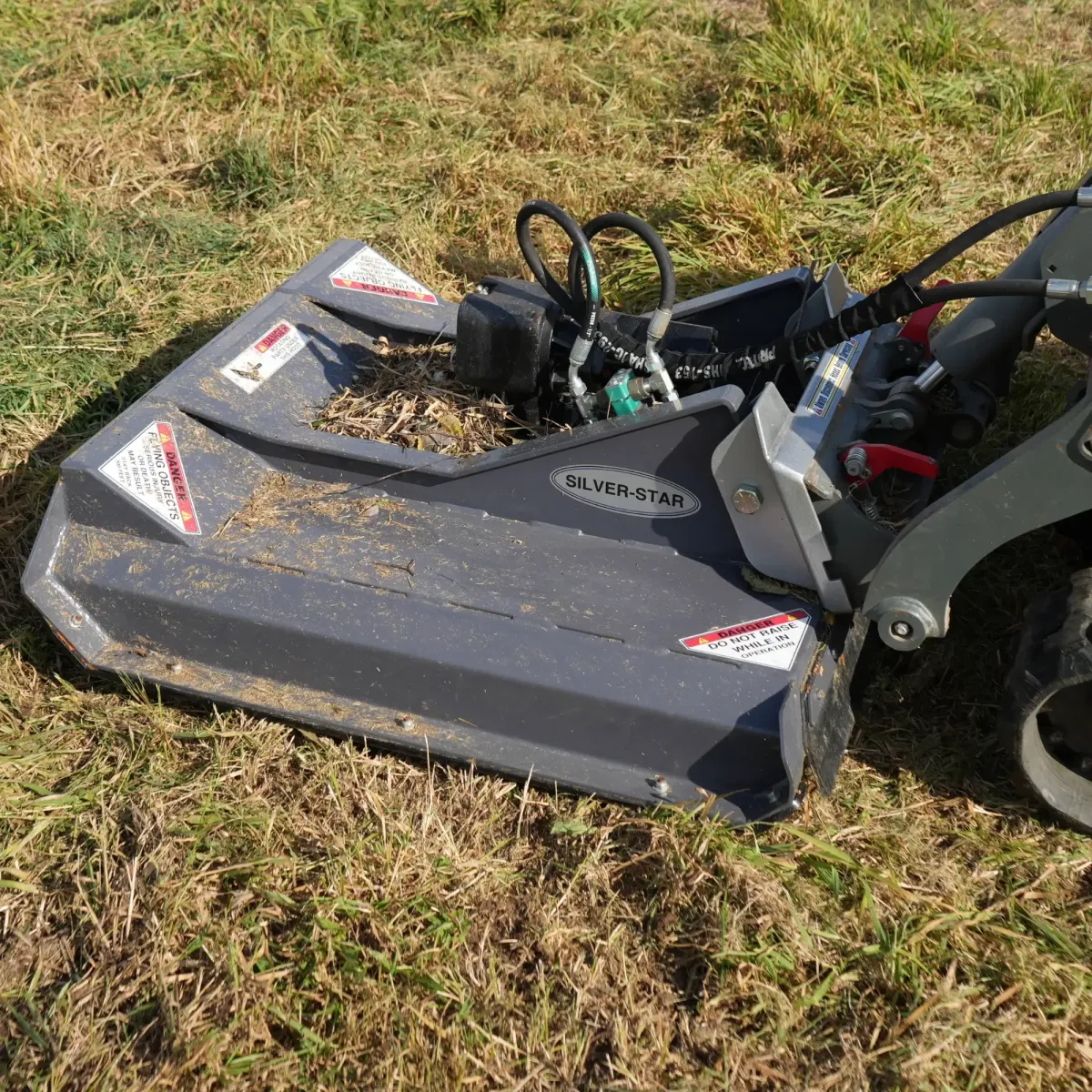
Maintaining your property efficiently often requires specialized equipment, and a brush cutter attachment for your skid steeris one of the most valuable tools for this purpose. Designed to clear dense vegetation, these attachments are indispensable for land management, landscaping, forestry, and agricultural applications. This comprehensive guide will walk you through the essential factors to consider when purchasing a brush cutter attachment, helping you make an informed choice tailored to your specific needs. We will cover everything from key features and hydraulic compatibility to installation, maintenance, and safety best practices. Additionally, we will provide insights into what actually separates a good brush cutter from a bad one and pricing considerations to assist you in selecting the best brush cutter attachment for your skid steer.
Brush cutters have evolved significantly over the years, with ongoing research and development enhancing their effectiveness in managing various types of vegetation. Their design and functionality have been optimized to meet the demands of modern land clearing and maintenance tasks.
How to Choose the Right Brush Cutter Attachment for Your Skid Steer Loader
Choosing the right brush cutter attachment for your skid steer loader requires a clear understanding of several critical features that influence performance, durability, and efficiency. Selecting an attachment that aligns with your operational requirements will enhance productivity and ensure you can handle a variety of vegetation types effectively.
Key Features to Consider When Selecting a Brush Cutter
When evaluating brush cutter attachments, focus on the following essential features:
Durability: Opt for attachments constructed from high-quality, heavy-duty materials such as reinforced steel. Durability is crucial for withstanding harsh working conditions and frequent use, especially when cutting through thick brush and small trees.
Cutting Width: The cutting width determines the area you can clear in a single pass. Wider cutting widths increase efficiency by covering more ground quickly but may require a skid steer with higher power and hydraulic capacity to operate effectively.
Hydraulic Compatibility: Verify that the brush cutter attachment is compatible with your skid steer's hydraulic system, including flow rate and pressure specifications. Proper compatibility ensures optimal performance and prevents damage to both the attachment and the skid steer.
These features form the foundation of a brush cutter attachment that meets your operational demands and delivers reliable performance.
Blade Types and Their Impact on Performance
The type of blades used in a brush cutter attachment significantly affects its cutting capabilities and suitability for different vegetation types. Understanding the differences between blade types will help you select the most appropriate attachment for your needs.
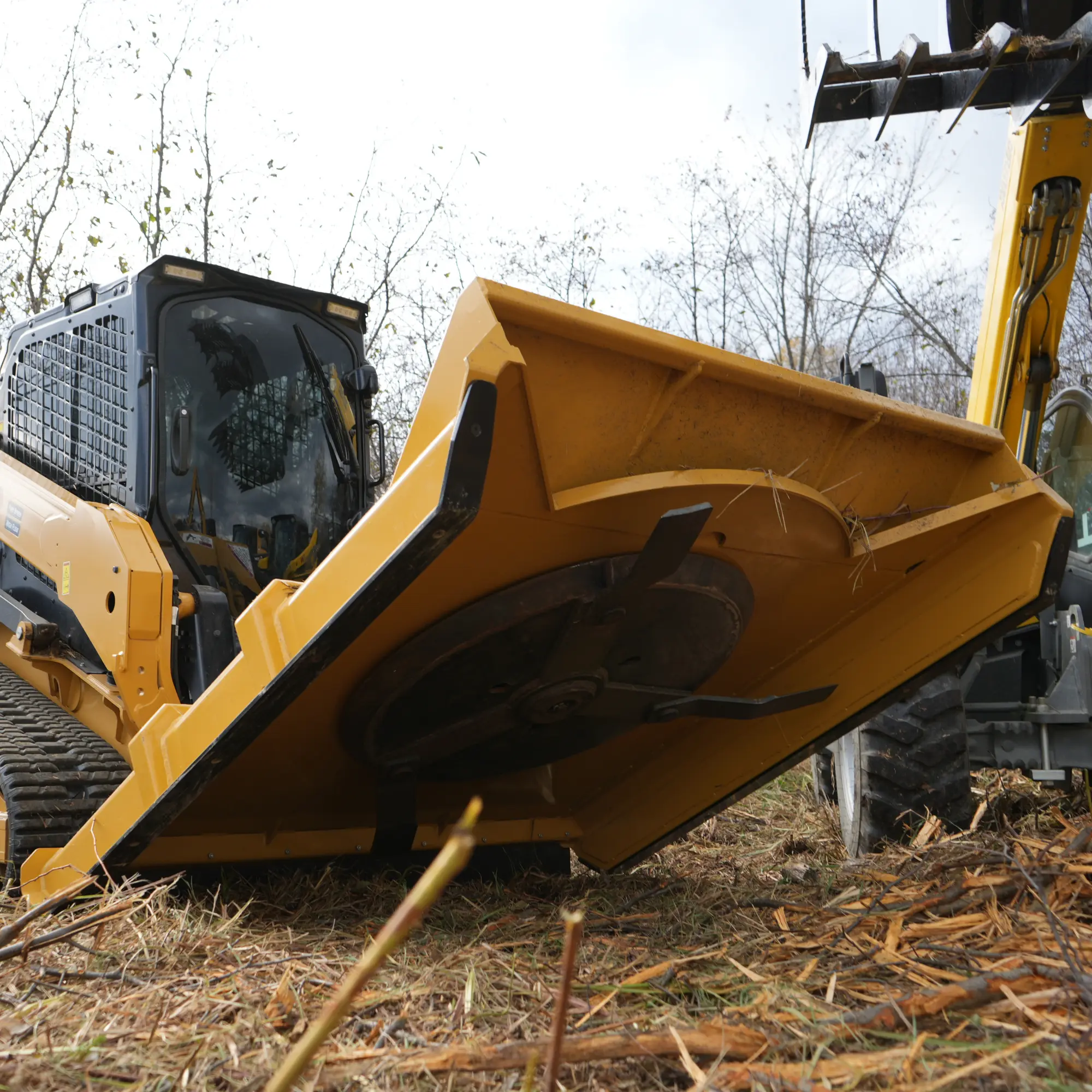
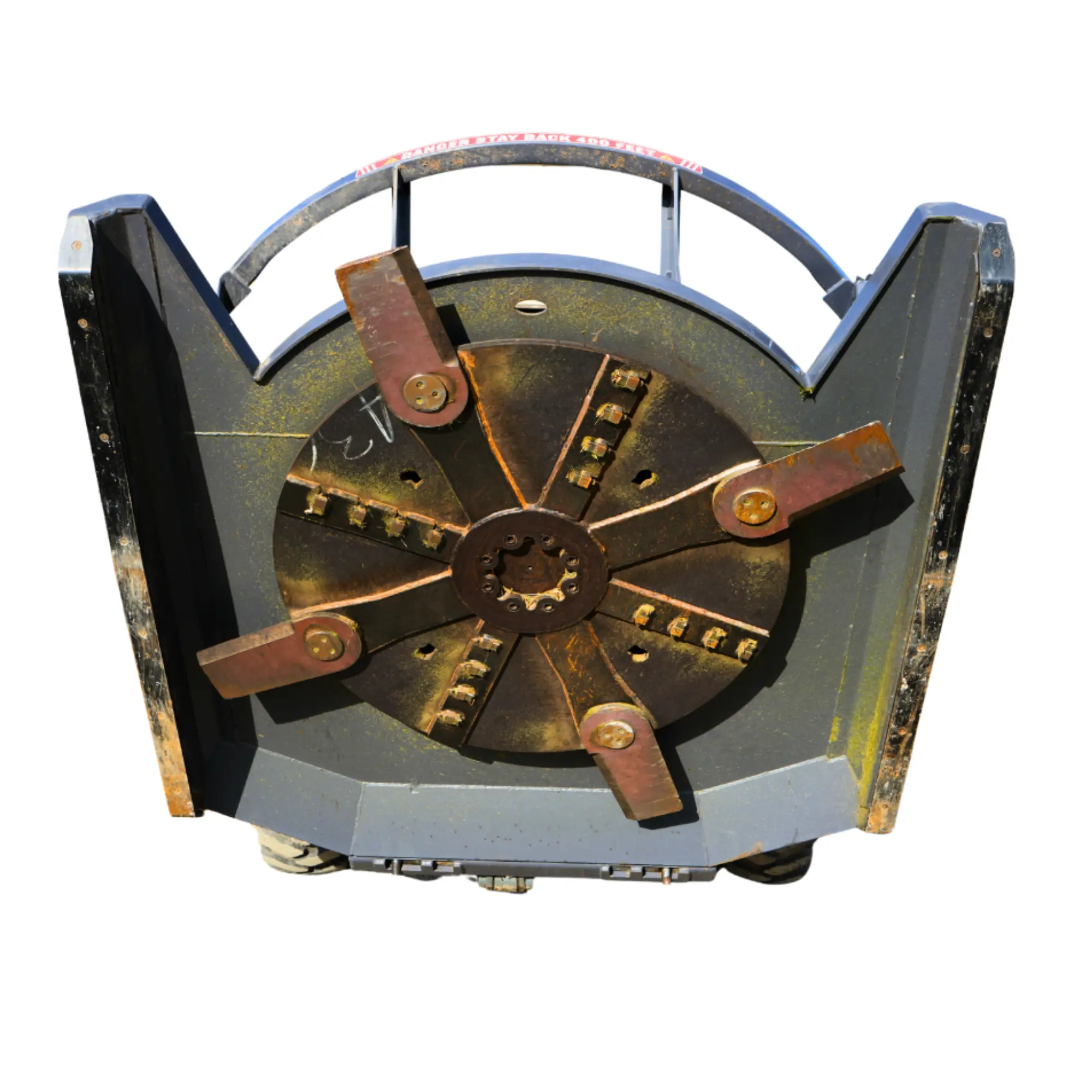
Rotary Blades: These blades are designed for heavy-duty cutting tasks, such as clearing thick brush, saplings, and small trees. Rotary blades provide a clean, precise cut and are ideal for rugged terrain and dense vegetation.
Flail Blades: Flail blades are better suited for mowing grass, light brush, and maintaining open fields. They offer versatility and are effective for lighter vegetation management, providing a mulching effect that can benefit soil health.
The cutting width also plays a vital role in operational efficiency. A wider cutting width allows you to cover more area quickly but requires a skid steer with sufficient power and hydraulic capacity. Balancing blade type and cutting width according to your specific vegetation and equipment capabilities will optimize your brush cutter's performance.
Understanding Hydraulic Compatibility and Power Requirements for Skid Steer Brush Cutters
Hydraulic compatibility is a critical factor when selecting a brush cutter attachment. The attachment must match the hydraulic flow and pressure capabilities of your skid steer to function efficiently and safely. Mismatched hydraulic systems can lead to poor performance, increased wear, and potential equipment damage.
Hydraulic Flow Rates for Optimal Brush Cutter Operation
Brush cutter attachments typically require specific hydraulic flow rates to operate at peak efficiency. Most models function effectively within a flow range of 15 to 35 gallons per minute (GPM), but exact requirements vary depending on the attachment's size and design.
Minimum Flow Rates: Ensure your skid steer can deliver the minimum hydraulic flow rate specified by the brush cutter manufacturer. Operating below this threshold can cause sluggish performance and increased mechanical stress.
Impact on Performance: Insufficient hydraulic flow reduces cutting efficiency, slows operation, and accelerates wear on hydraulic components, potentially leading to costly repairs.
Understanding and matching these hydraulic requirements is essential for seamless integration and optimal performance of your brush cutter attachment.
Ensuring Hydraulic System Compatibility
To confirm that your skid steer's hydraulic system is compatible with the brush cutter attachment, follow these steps:
Review Specifications: Examine the hydraulic flow rate, pressure, and connection types for both your skid steer and the brush cutter attachment.
Make Necessary Adjustments: If your skid steer's hydraulic system does not meet the attachment's requirements, consult with a professional to explore possible modifications or upgrades.
Consult Manufacturer Guidelines: Always refer to the manufacturer's documentation for both the skid steer and the brush cutter to ensure proper compatibility and avoid voiding warranties.
Proper hydraulic system matching maximizes the attachment's efficiency and extends the lifespan of both the brush cutter and the skid steer.
Step-by-Step Installation and Attachment Process for Skid Steer Brush Cutters
Installing a brush cutter attachment on your skid steer is a straightforward process that requires careful attention to safety and proper procedure to ensure secure attachment and optimal functionality.
Proper Method to Attach a Brush Cutter to a Skid Steer
Follow these steps to safely and effectively attach a brush cutter to your skid steer:
Position the Skid Steer: Park the skid steer on a flat, stable surface and engage the parking brake to prevent movement during installation.
Align the Attachment: Move the brush cutter attachment into position in front of the skid steer, carefully aligning it with the mounting brackets or quick-attach system.
Secure the Attachment: Use the skid steer's hydraulic lift system to raise the attachment into place. Insert and lock the mounting pins or latches to secure the brush cutter firmly.
Following these steps ensures a safe and stable connection between the skid steer and the brush cutter attachment.
Safety Precautions During Installation
Safety should always be the top priority when installing heavy equipment attachments. Observe the following precautions:
Wear Personal Protective Equipment (PPE): Use gloves, safety goggles, hard hats, and steel-toed boots to protect yourself from potential hazards.
Clear the Area: Ensure the installation zone is free of obstacles, debris, and bystanders to prevent accidents.
Follow Manufacturer Instructions: Adhere strictly to the installation guidelines provided by the attachment and skid steer manufacturers to avoid improper installation and potential equipment damage.
By maintaining these safety standards, you reduce the risk of injury and ensure the attachment is installed correctly.
Maintenance and Safety Best Practices for Skid Steer Brush Cutter Attachments
Regular maintenance is vital to keep your brush cutter attachment operating efficiently and to extend its service life. Proper upkeep also enhances safety during operation.
Recommended Maintenance Schedule
Implement the following maintenance routine to ensure your brush cutter remains in optimal condition:
Daily Inspections: Before each use, check the blades for sharpness and damage, inspect hydraulic hoses for leaks or wear, and verify that all mounting hardware is secure.
Weekly Maintenance: Clean the attachment thoroughly to remove debris, check for loose bolts or fittings, and lubricate moving parts as recommended by the manufacturer.
Seasonal Overhaul: At the start of each season, conduct a comprehensive inspection, replace worn components, sharpen or replace blades, and service hydraulic systems to prepare the attachment for heavy use.
Consistent maintenance prevents unexpected breakdowns, reduces repair costs, and ensures the brush cutter performs reliably.
Proper upkeep not only extends equipment life but also contributes to improved operational efficiency and environmental sustainability by maintaining clean cuts and reducing fuel consumption.
Safety Features and Guidelines for Safe Operation
To operate your brush cutter attachment safely, consider the following safety features and best practices:
Safety Guards: Ensure the attachment is equipped with protective guards to shield the operator and bystanders from flying debris.
Emergency Shut-off: Familiarize yourself with the emergency stop mechanisms to quickly halt operation in case of an incident.
Operator Training: Provide comprehensive training for all operators on the safe use, maintenance, and emergency procedures related to the brush cutter attachment.
Adhering to these safety measures helps prevent accidents and protects both personnel and equipment during operation.
What Actually Separates a Good Brush Cutter From a Bad One
Brand names and spec sheets can only tell you so much when you're comparing brush cutters across the market. The real differences show up in three places: the steel grade at the cutting edge, how the frame handles vibration over thousands of cycles, and what support looks like when a part wears out in year three.
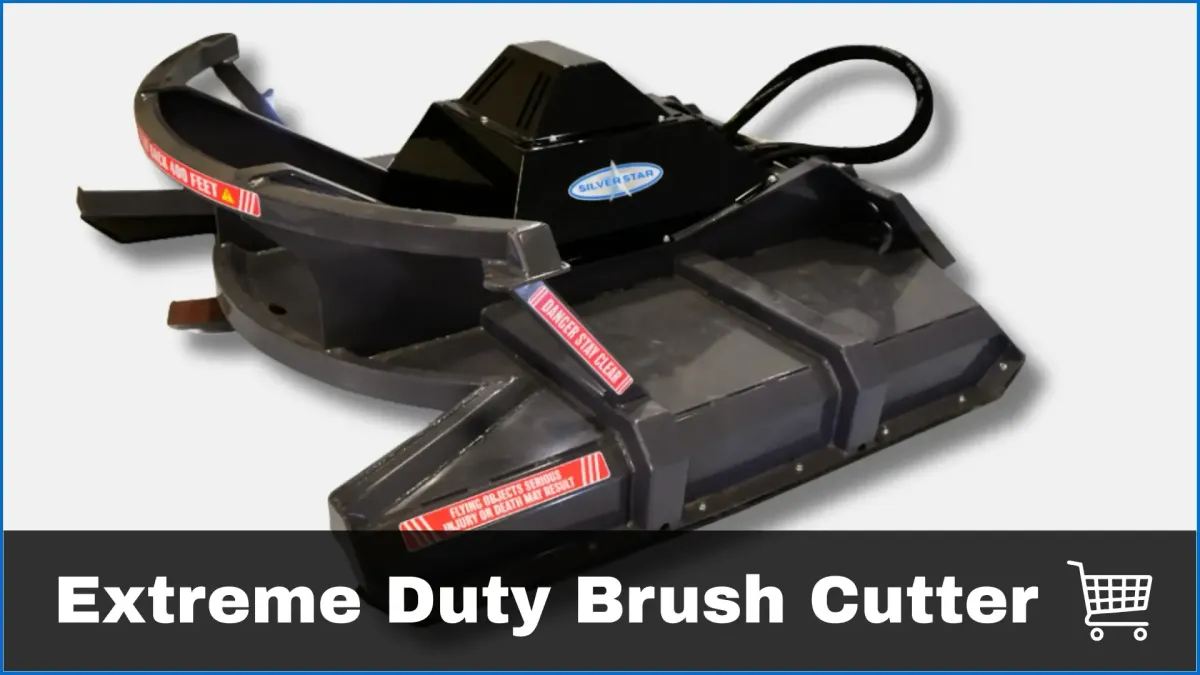
Silver Star's brush cutter line is built on AR400 steel with single-piece, laser-cut construction, which means fewer seams to crack under the constant vibration that thick brush and stump-level material put on a cutting deck. That construction approach is the same reasoning behind why heavier-built attachments hold their edge alignment longer than lighter, budget-tier units regardless of brand.
When you're comparing brush cutters, ask any manufacturer the same three questions: what steel grade is the cutting edge made from, how is the frame reinforced at the quick-attach plate, and what happens when a wear part needs replacing three years in. A heavy-duty or extreme-duty model built to answer all three well is worth more than a lower-priced unit that can only answer the first.
Pricing Considerations Based on Features and Capacity
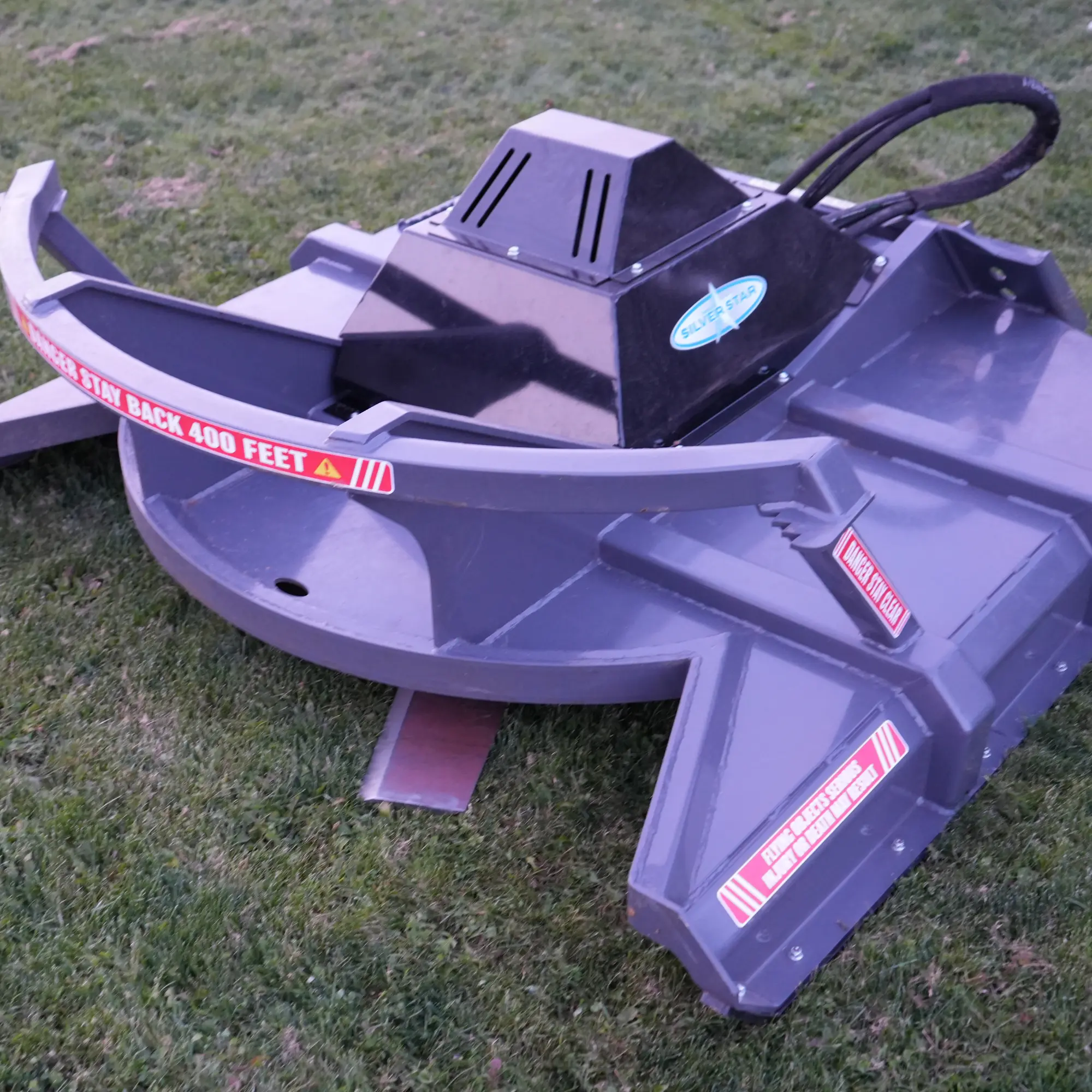
Brush cutter attachment prices vary widely depending on features, cutting capacity, and build quality. General pricing categories include:
Basic Models: Typically priced between $2,500 and $4,000, these models are suitable for light to moderate use and smaller skid steers.
Mid-Range Models: Ranging from $4,000 to $6,500, these attachments offer enhanced durability, wider cutting widths, and improved hydraulic compatibility.
Heavy-Duty Models: Priced above $6,500, these are designed for professional use, capable of handling the toughest vegetation and extended operational hours.
Understanding these price ranges helps you balance your budget with the performance and features you require from a brush cutter attachment.
FAQ
What hydraulic flow rate does a skid steer brush cutter need?
Most brush cutter attachments require 15-35 GPM of hydraulic flow to operate efficiently. Check your skid steer's flow rating against the attachment's minimum requirement before purchasing, running below the minimum causes sluggish cutting and accelerates wear on hydraulic components.
Should I choose rotary or flail blades for my skid steer brush cutter?
Rotary blades are best for heavy-duty cutting, thick brush, saplings, and small trees, and deliver a clean, precise cut on rugged terrain. Flail blades suit lighter jobs like mowing grass and maintaining open fields, and leave a mulching effect that benefits soil health.
How much does a skid steer brush cutter attachment cost?
Basic models typically run $2,500-$4,000, mid-range models $4,000-$6,500, and heavy-duty professional models start above $6,500. Price scales with cutting width, hydraulic capacity, and build durability.
How do I know if a brush cutter attachment is compatible with my skid steer?
Compare the attachment's hydraulic flow rate, pressure, and connection type against your skid steer's specifications, and confirm the mounting system matches your quick-attach plate. When in doubt, check both manufacturers' documentation before buying to avoid voiding a warranty.
How often should I maintain a skid steer brush cutter attachment?
Inspect blades, hoses, and mounting hardware daily before use. Clean the attachment and check for loose fittings weekly. At the start of each season, do a full inspection, sharpen or replace blades, and service the hydraulic system.