



5 Key Factors to Consider When Buying a Used Skid Steer
5 Key Factors to Consider When Buying a Used Skid Steer
A used skid steer can save you tens of thousands of dollars over buying new, but only if the machine underneath the paint job is actually worth what you're paying for it. The wrong used skid steer costs more in downtime and repairs than the money it saved you upfront, and by the time that becomes obvious, you've already signed.
Used equipment markets move fast, and listings rarely tell you everything you need to know upfront. Sellers highlight the machine's strengths and often gloss over the details that matter most to a buyer trying to avoid an expensive mistake, which means the burden of asking the right questions falls entirely on you before money changes hands.
Before you commit to a used skid steer, there are five factors worth checking carefully: hours and maintenance history, hydraulic flow rate and attachment compatibility, rated operating capacity, undercarriage and tire condition, and total cost of ownership versus sticker price. None of these require a mechanic's certification to evaluate, just a willingness to look past the sale price and ask the seller a few direct questions before you buy.]

1. Hours and Maintenance History
The hour meter tells you how much life the machine has already used, but it only tells the full story alongside maintenance records. A machine with 3,000 hours and a complete service history is often a better buy than one with 1,800 hours and no records at all, since consistent maintenance matters more than raw hour count for predicting what's left in the machine.
Ask the seller directly for service records, and be cautious of anyone who can't produce them or seems reluctant to discuss how the machine was used. A skid steer that spent its life on light landscaping work has a very different wear profile than one that ran full-time on a construction site, even at the same hour count.
If records are genuinely unavailable, an independent pre-purchase inspection is worth the cost. A few hundred dollars spent on inspection before you buy is far cheaper than discovering a major issue a few weeks into ownership, and a seller who resists a third-party inspection is telling you something worth paying attention to.
2. Hydraulic Flow Rate and Attachment Compatibility
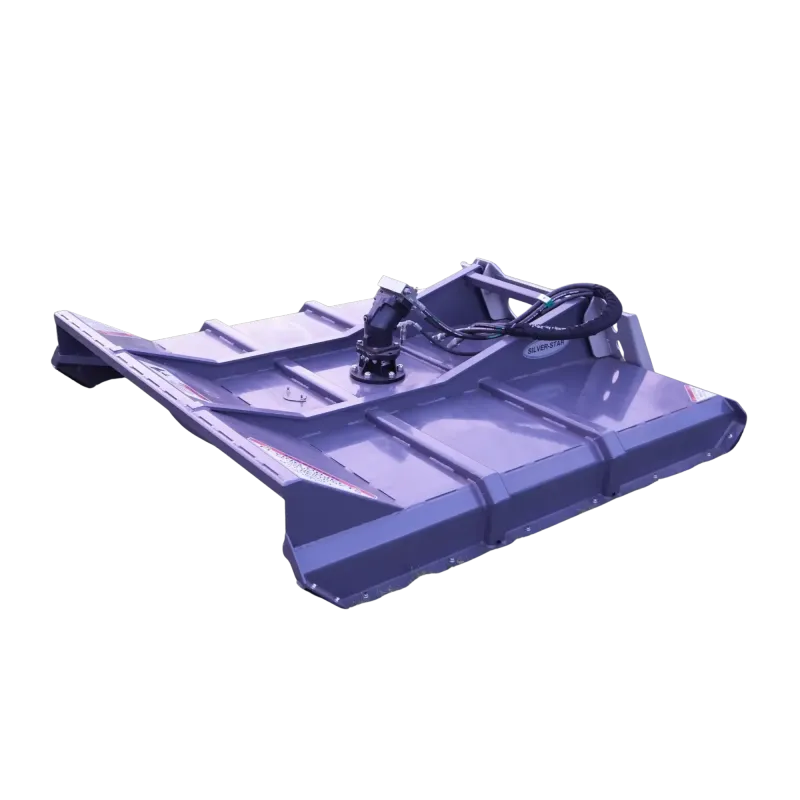
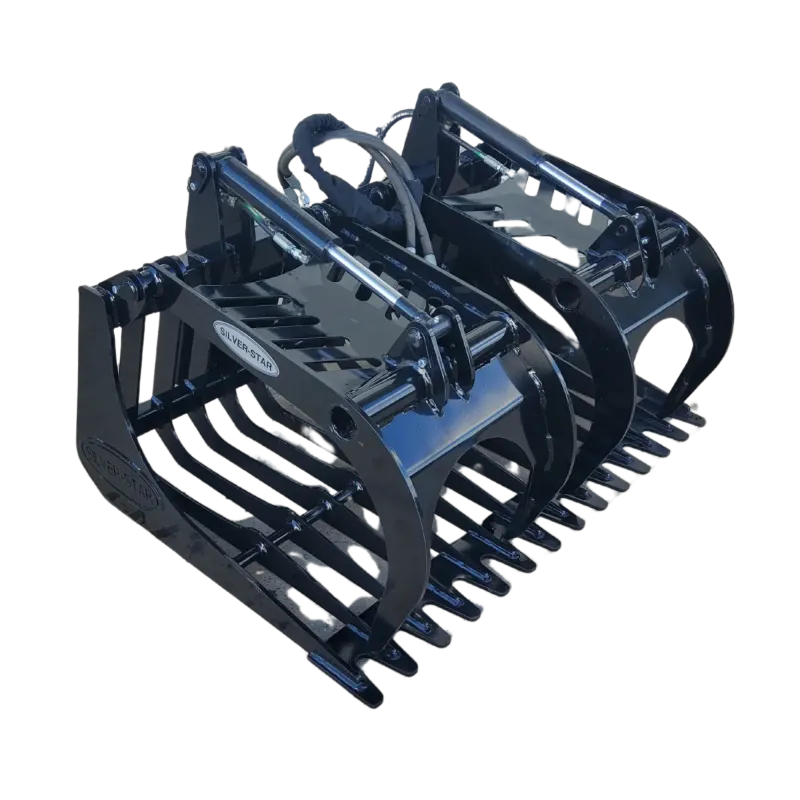
This is the factor buyers most often skip, and it's the one that determines what you can actually do with the machine once you own it. Every attachment you might want to run, from a brush cutter to a grapple to a grader, has a minimumhydraulic flow rate requirement, and a low-flow skid steer simply can't run high-flow attachments at full capacity no matter how good the attachment is.
Before buying, confirm the machine's actual GPM rating, not just its horsepower, and think ahead to what attachments you'll want to run. A skid steer that seems perfectly capable for basic bucket work can turn out to be underpowered the moment you try to add a rotary cutter or an auger, and by then you've already bought the machine.
Standard-flow and high-flow are the two broad tiers most manufacturers build to, and the difference isn't always obvious from a listing description alone. Ask the seller for the specific GPM rating, not just a "standard" or "high-flow" label, since those terms can vary slightly between manufacturers. If you already know you want to run brush cutters, augers, or other rotor-driven attachments down the line, prioritize a high-flow machine even if it costs a bit more upfront, since retrofitting a low-flow machine for higher output is rarely cost-effective.
3. Rated Operating Capacity
Rated operating capacity (ROC) is the maximum weight the machine can safely lift and carry without tipping or straining the hydraulic system, and it varies significantly between models that otherwise look similar in size. Buying a machine with ROC too low for your typical loads means constantly working at or past the edge of its safe operating range, which accelerates wear on the frame, lift arms, and hydraulics.
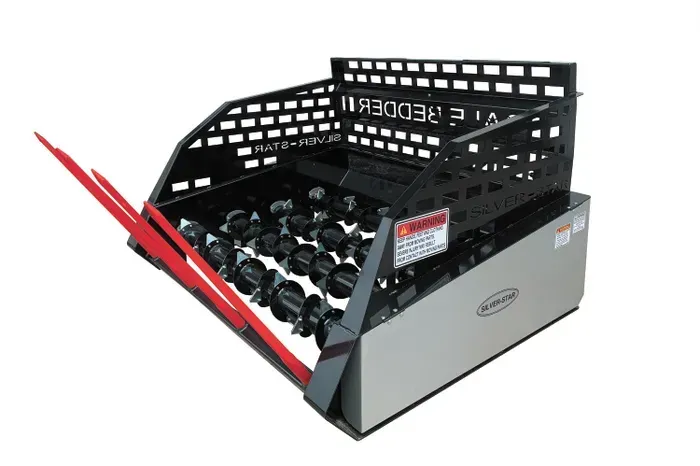
Match ROC to your actual job requirements, not your smallest or lightest task. If you're regularly moving pallets, bales, or heavy buckets of material, size up rather than assuming a mid-range machine will stretch to cover heavier work occasionally.
It's worth checking the manufacturer's rated capacity against the seller's claims directly, since ROC is sometimes quoted loosely in used listings. Ratings are typically published per model and configuration, so cross-reference the exact model number rather than trusting a general capacity claim, and remember that a machine's ROC can effectively decrease as tires or tracks wear, since worn undercarriage components reduce stability margins.
There's also a safety dimension here that's easy to overlook when you're focused on getting a good deal. Operating consistently near or beyond rated capacity increases tip-over risk, particularly on uneven ground or slopes, and that risk doesn't show up in a listing description. Buy for the capacity your actual work demands, and treat any machine that only "just barely" covers your needs as one you'll likely outgrow faster than expected.
4. Undercarriage and Tire Condition
For tracked machines, undercarriage wear is one of the most expensive repairs a used skid steer can need, often running into thousands of dollars if tracks, rollers, or drive components are significantly worn. For wheeled machines, tire condition is the equivalent concern, and replacing a full set isn't cheap either.
Inspect this closely before you buy, not after. Uneven wear patterns, visible cracking, or excessive play in track components are signs of either heavy use or poor maintenance, and either one should factor directly into your offer price or your decision to walk away.
For tracked machines specifically, check the rubber for cracking at the lugs and confirm the tension system adjusts properly; a track that's been run loose or over-tightened wears unevenly and fails earlier than one properly maintained. For wheeled machines, uneven tread wear across the tire can indicate alignment issues elsewhere in the machine, not just a tire problem on its own, so treat visible tire wear as a prompt to check the surrounding components too, not just the tires themselves.
5. Total Cost of Ownership vs. Sticker Price
The lowest sticker price isn't the same as the lowest total cost. A cheaper machine with deferred maintenance, worn components, or an incomplete service history often costs more within the first year of ownership than a slightly pricier machine in genuinely good condition. Factor in likely near-term repairs, not just the purchase price, before comparing two listings against each other.
This is also where resale value matters if you expect to upgrade again down the line. Well-maintained machines from manufacturers with strong parts availability tend to hold value better, which affects your real cost of ownership even if you never plan to sell.
Build a rough repair budget into your comparison before you decide. If two machines are priced $2,000 apart but the cheaper one needs new tires or a track service within the first year, the pricier machine may actually be the better financial decision once you account for what you'd spend catching the cheaper one up to the same condition.
Quick Recap
Before you buy a used skid steer, confirm: hours align with a documented maintenance history, hydraulic flow rate supports the attachments you actually want to run, rated operating capacity matches your typical load, undercarriage or tires show wear consistent with the seller's claims, and the total cost of ownership, not just the sticker price, fits your budget. Skipping any one of these is how a good deal on paper turns into an expensive mistake in practice.
None of these five factors override the others, and a machine that scores well on four but fails badly on the fifth is still a risky buy. A low-hour machine with a blown hydraulic pump isn't a good deal just because the hour meter looks favorable, and a well-maintained machine with the wrong operating capacity for your work won't serve you well no matter how clean its service records are. Treat all five as a package, and be willing to walk away from a listing that fails even one of them badly enough to matter for your actual use case.
What Comes Next: Choosing the Right Attachments
Once you've settled on the machine, the next decision is what you'll actually run on it. Hydraulic flow rate and attachment compatibility, the second factor above, is where that decision really starts, since it determines which attachments are even a realistic option for your specific machine. TheWhat Are Skid Steer Attachments?buyer's guide is the natural next read once your machine decision is made, covering the full range of what's available and how to match attachments to the work you actually do. For a deeper look at the full attachment landscape, including when a custom-built solution makes more sense than an off-the-shelf option, theComprehensive Guide to Skid Steer Attachments covers that ground in more detail.
Buyers who skip this step often end up purchasing the wrong attachment after already committing to the machine, discovering the mismatch only once the attachment shows up and doesn't perform the way they expected. Working through machine specs and attachment needs together, before either purchase is final, avoids that entirely.
A good used machine paired with the right attachments is worth far more than a great machine running the wrong ones.
Frequently Asked Questions About Buying a Used Skid Steer
What's the most commonly overlooked factor when buying a used skid steer?
Hydraulic flow rate. Buyers often check hours and price closely but skip confirming GPM, then discover later that the machine can't run the high-flow attachments they actually need.
Is a low-hour used skid steer always the safer buy?
Not necessarily. A machine with more hours but a complete, verifiable maintenance history is often a better buy than a low-hour machine with no service records at all.
How much should I budget for a pre-purchase inspection?
A few hundred dollars is typical, and it's far cheaper than discovering a major issue after buying.