




Home / Blog /
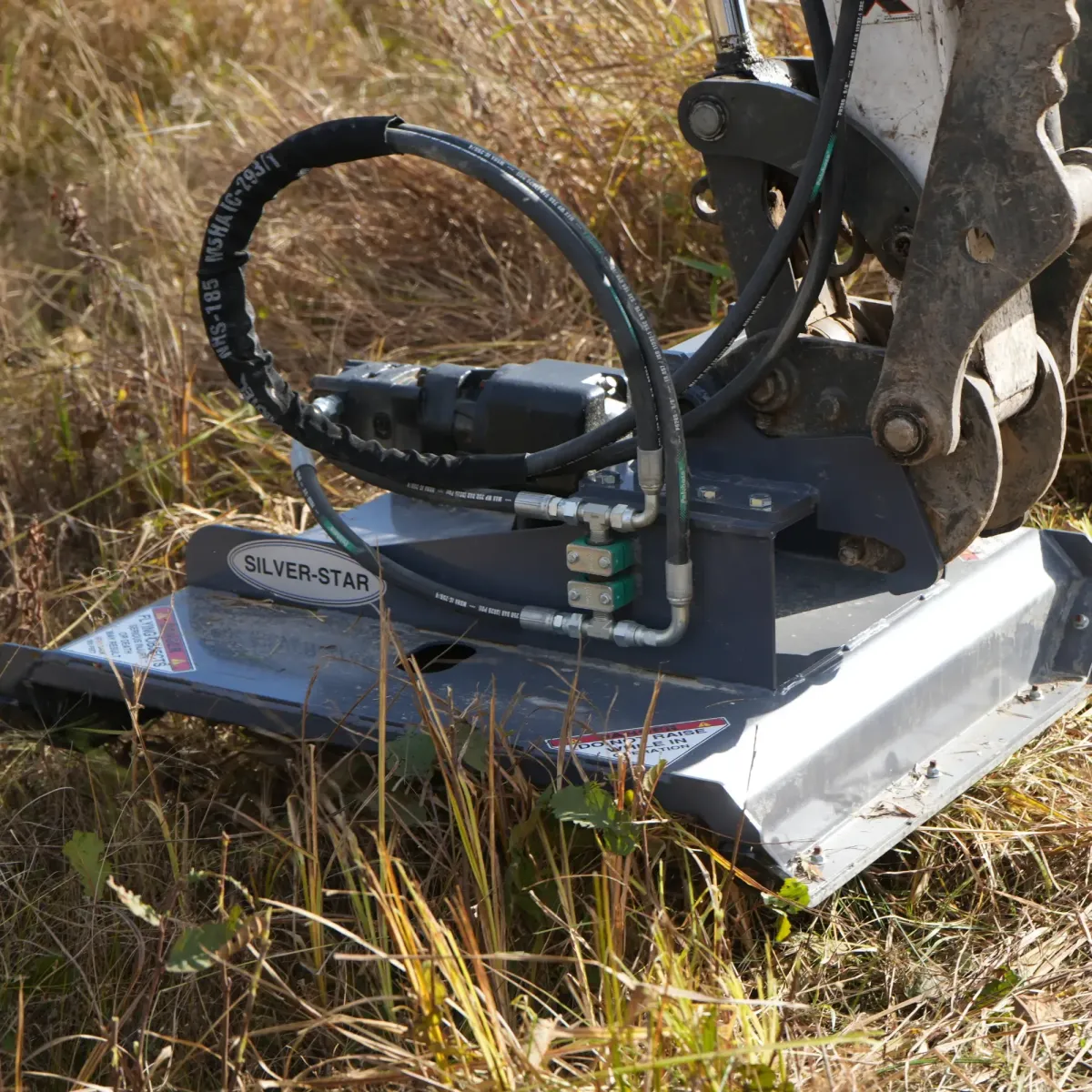
Mini Roto Tiller for Skid Steer

Mini Roto Tiller for Skid Steer: Top Use Cases

October 08, 2026•8 min read

A market garden or small farm plot is usually too big for hand-tilling to stay practical and too small to justify a full-size tractor implement. That gap is exactly where a mini roto tiller on a compact skid steer earns its keep.

A mini roto tiller attachment turns loosening, breaking up, and incorporating soil into a machine job instead of a back-breaking one, without the size or cost of full tractor equipment. Below are the use cases where growers actually see the attachment pay for itself, not just generic reasons to till.

Most of these use cases have one thing in common worth naming upfront: they're jobs that get skipped, delayed, or done poorly when the only tools available are hand tools and time is short. A mini roto tiller doesn't just do the same job faster, it makes certain practices (timely cover crop turnover, consistent pre-seed weed knockdown, fast bed turnover for succession planting) practical at a scale where they'd otherwise fall by the wayside during a busy season.
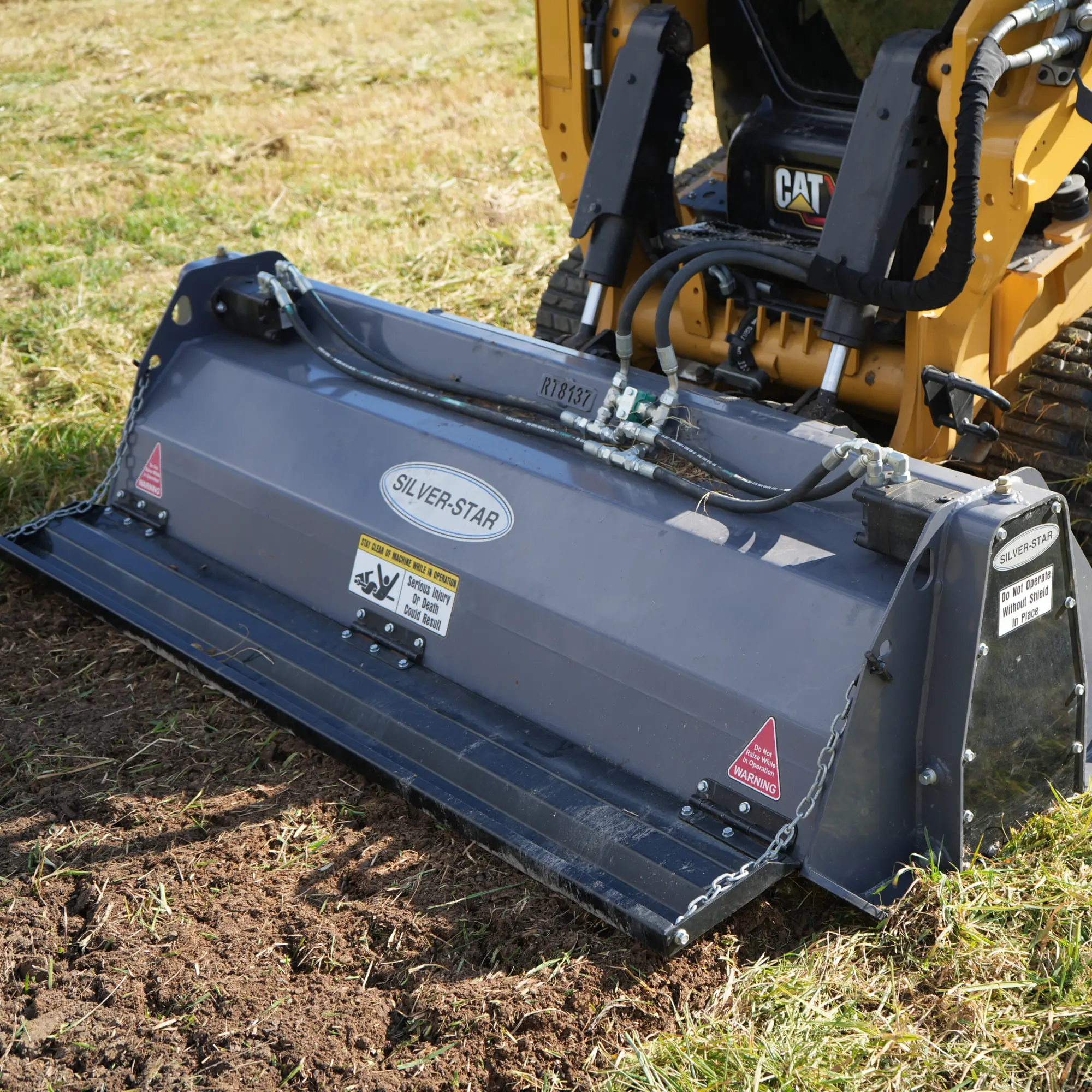
roto tiller

1. Prepping Raised Beds and Market Garden Rows

For growers running multiple raised beds or intensive market garden rows, a mini roto tiller breaks ground and works in amendments in a fraction of the time hand tools take. A bed that would take an hour to turn by hand with a garden fork gets prepped in a few minutes, freeing up labor for planting, harvesting, or the dozen other tasks competing for time during a busy growing season.

The time savings compound quickly for anyone managing more than a handful of beds. A market garden running 20 or 30 beds through multiple planting cycles a season can lose entire days to hand-prepping ground between crops, days that a mini roto tiller collapses down to a few hours of driving between rows.

2. Turning Under Cover Crops

Cover cropping between growing seasons builds soil health, but only if the cover crop actually gets incorporated before it goes to seed or turns woody. A mini roto tiller handles that turnover cleanly, chopping and mixing green material into the topsoil in one pass rather than requiring a separate mowing step followed by manual digging-in.

Timing matters more with cover crops than with almost any other tilling job, since a crop left even a week or two past its ideal turnover window gets significantly harder to incorporate as stems toughen and seed heads form. A mini roto tiller's speed advantage means growers can hit that window across an entire plot in a single afternoon rather than falling behind bed by bed with hand tools.

3. Breaking Up Compacted Ground on New Plots

New garden plots, especially ones converted from lawn or long-fallow ground, often start compacted enough that hand tools barely scratch the surface. A mini roto tiller has the power to break that initial compaction in a way hand tools genuinely can't match, turning what would be weeks of manual soil conditioning into a single pass or two before the ground is workable.

This use case matters most for growers expanding an existing operation onto new ground, converting a portion of pasture or lawn into additional growing space, for instance. Hand tools on truly compacted, root-bound sod can take a full season of repeated passes to become workable soil, while a mini roto tiller breaks that same ground down to plantable condition in a fraction of the time, letting new plots come online for the current season rather than waiting until next year.

4. Working Tight Rows in Greenhouses and High Tunnels

This is where the "mini" in mini roto tiller matters most. Greenhouse and high tunnel growing space is narrow by design, and a full-size implement simply won't fit through the door, let alone maneuver between support posts. A mini attachment on a compact skid steer is sized specifically for this kind of tight-access work, the same reasoning behind why mini attachments in general are gaining ground on job sites and properties where full-size equipment physically can't go.

Growers who've expanded into season-extension structures know this problem well: hand tools remain the only option for years simply because nothing mechanized fits through a standard greenhouse door or between tightly spaced support posts. A mini roto tiller closes that gap, bringing machine-speed bed prep into a space that used to force a choice between hand tools and no mechanization at all.

5. Incorporating Compost and Soil Amendments

Spreading compost or amendments on the surface only helps if they actually get mixed into the root zone rather than sitting on top. A mini roto tiller incorporates material evenly across a bed or row in one pass, which matters especially for larger quantities of compost that would take considerable manual labor to work in by hand across an entire plot.

Growers building soil fertility over multiple seasons often add compost, aged manure, or other amendments at volumes that genuinely strain hand-tool capacity, several cubic yards spread across a full market garden, for example. A mini roto tiller handles that incorporation at a scale hand tools weren't really built for, without requiring the operator to physically turn every cubic foot of amended soil by hand.

6. Preparing Ground for Orchard or Vineyard Rows

Small-scale orchard and vineyard operations often need to prep narrow rows between existing plantings, ground that's too tight for full-size equipment but too extensive to till entirely by hand. A mini roto tiller's compact footprint fits between established rows without damaging root zones on either side, making it a practical fit for expanding or maintaining planted rows on a small scale.

This matters most during the establishment years of a young orchard or vineyard, when inter-row ground still needs regular working but the plantings themselves are too young and closely spaced to risk a full-size implement anywhere near the root zone. A mini roto tiller's narrower profile and tighter turning radius make it the more practical choice for that specific window before rows mature enough to accommodate wider equipment.

7. Knocking Down Weeds Before They Set Seed

Tilling under young weed growth before it flowers and sets seed is one of the most effective non-chemical weed control strategies available to small growers, but it only works if it happens on a timely schedule across the whole plot. A mini roto tiller makes that timely pass practical even across multiple beds or rows, rather than falling behind because hand-weeding an entire plot takes too long to keep pace with weed growth cycles.

For growers avoiding herbicides, this timing-dependent approach is often the single biggest lever on long-term weed pressure. A plot that gets its weed flush tilled under consistently, before seed set, season after season sees weed pressure decline over years; one where hand-weeding falls behind even occasionally lets the seed bank rebuild, undoing multiple seasons of progress in a single missed window.

8. Seasonal Bed Turnover Between Plantings

Succession planting, getting a new crop into a bed as soon as the previous one comes out, depends on fast bed turnover. A mini roto tiller closes that gap between harvest and replanting to minutes rather than the hour or more hand-tilling a bed can take, which matters directly for how many planting cycles a bed can support in a single season.

Over a full growing season, that turnover speed can be the difference between squeezing in three or four succession plantings on a bed versus only fitting in two, since every hour saved on turnover is an hour the bed spends growing instead of sitting idle waiting to be reworked.

Quick Recap: Where a Mini Roto Tiller Earns Its Keep
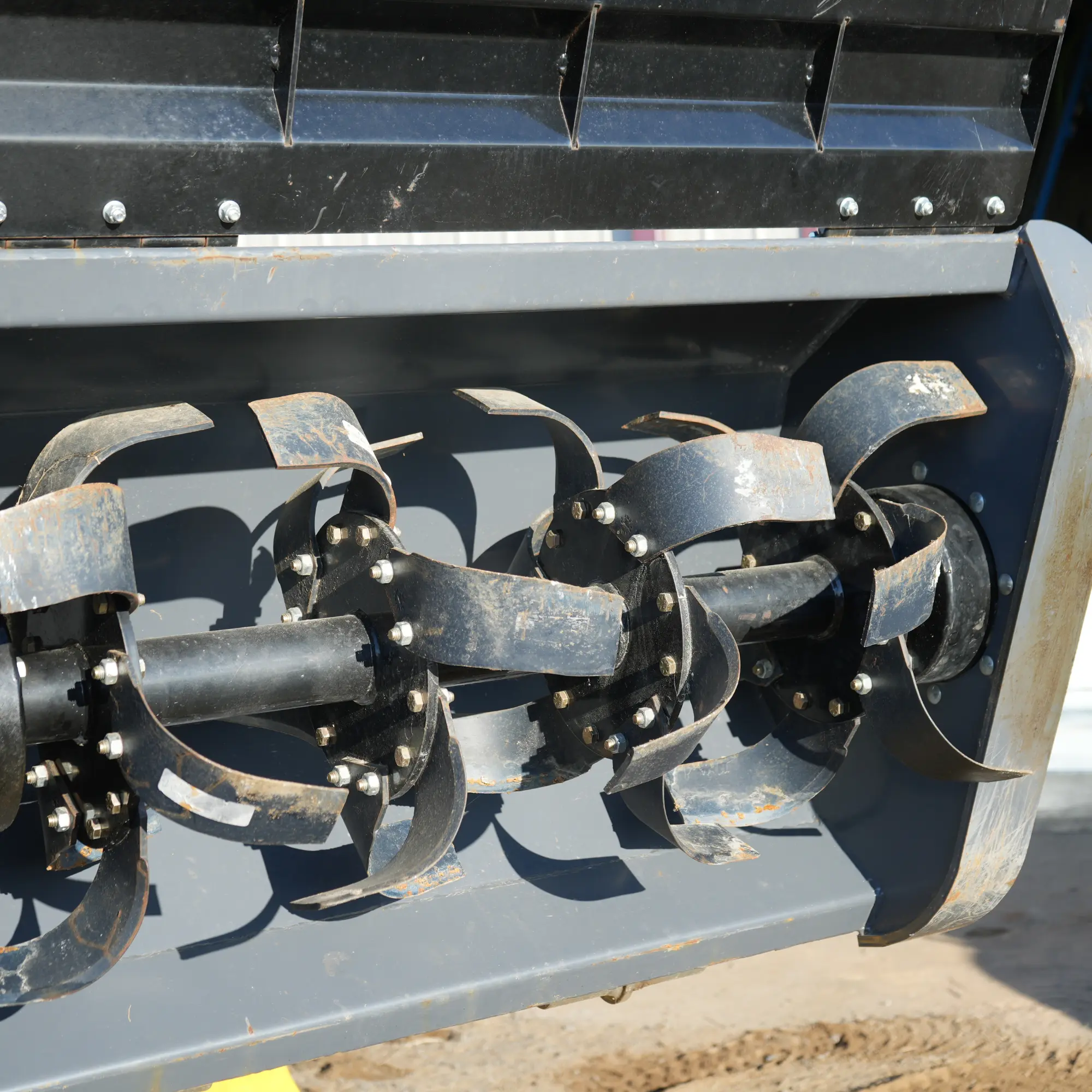
roto tiller attachment

The use cases above share a common thread: ground that's too extensive for hand tools to stay practical, but too tight or too small in scale to justify full-size tractor equipment. Raised beds, cover crop turnover, compacted new ground, greenhouse rows, compost incorporation, orchard row prep, timely weed control, and fast succession-planting turnover all point to the same conclusion, a mini roto tiller fills the gap between hand tools and full-size machinery for growers working at genuinely intermediate scale.

Frequently Asked Questions

What size skid steer does a mini roto tiller need?

Mini roto tillers are built for compact and mini skid steer loaders, narrow enough to fit through standard gates and greenhouse doorways. Check the attachment's rated weight class and your machine's hydraulic flow before buying to confirm compatibility.

How does a mini roto tiller compare to a walk-behind garden tiller?

A mini roto tiller on a skid steer covers ground significantly faster than a walk-behind unit and handles tougher, more compacted soil with less operator fatigue, but it requires owning or accessing a compact skid steer, which a walk-behind tiller does not.

Can a mini roto tiller work in a greenhouse or high tunnel?

Yes, that's one of its strongest use cases. Its compact size is specifically suited to the narrow rows and tight clearances typical of greenhouse and high tunnel growing space where full-size equipment can't maneuver.

Is a mini roto tiller worth it for a small home garden?

It depends on scale. For a few small raised beds, hand tools may remain practical. Once a grower is managing multiple beds, market rows, or regular cover-crop turnover, the time savings start to justify the equipment.

Ready to see if a mini roto tiller fits your growing operation? Browse the mini roto tiller's specs, or read more about why mini attachments are taking over tight-access work on properties where full-size equipment doesn't fit. For the full range of mini options, the mini rock bucket and other compact attachments are covered in the Comprehensive Guide to Skid Steer Attachments.


Silver Star Metal

Silver Star Metal

Local Amish skid-steer and metal-working company from Withee, Wisconsin.

Back to Blog
Mini Roto Tiller for Skid Steer

Mini Roto Tiller for Skid Steer: Top Use Cases

October 08, 2026•8 min read

A market garden or small farm plot is usually too big for hand-tilling to stay practical and too small to justify a full-size tractor implement. That gap is exactly where a mini roto tiller on a compact skid steer earns its keep.

A mini roto tiller attachment turns loosening, breaking up, and incorporating soil into a machine job instead of a back-breaking one, without the size or cost of full tractor equipment. Below are the use cases where growers actually see the attachment pay for itself, not just generic reasons to till.

Most of these use cases have one thing in common worth naming upfront: they're jobs that get skipped, delayed, or done poorly when the only tools available are hand tools and time is short. A mini roto tiller doesn't just do the same job faster, it makes certain practices (timely cover crop turnover, consistent pre-seed weed knockdown, fast bed turnover for succession planting) practical at a scale where they'd otherwise fall by the wayside during a busy season.

roto tiller

1. Prepping Raised Beds and Market Garden Rows

For growers running multiple raised beds or intensive market garden rows, a mini roto tiller breaks ground and works in amendments in a fraction of the time hand tools take. A bed that would take an hour to turn by hand with a garden fork gets prepped in a few minutes, freeing up labor for planting, harvesting, or the dozen other tasks competing for time during a busy growing season.

The time savings compound quickly for anyone managing more than a handful of beds. A market garden running 20 or 30 beds through multiple planting cycles a season can lose entire days to hand-prepping ground between crops, days that a mini roto tiller collapses down to a few hours of driving between rows.

2. Turning Under Cover Crops

Cover cropping between growing seasons builds soil health, but only if the cover crop actually gets incorporated before it goes to seed or turns woody. A mini roto tiller handles that turnover cleanly, chopping and mixing green material into the topsoil in one pass rather than requiring a separate mowing step followed by manual digging-in.

Timing matters more with cover crops than with almost any other tilling job, since a crop left even a week or two past its ideal turnover window gets significantly harder to incorporate as stems toughen and seed heads form. A mini roto tiller's speed advantage means growers can hit that window across an entire plot in a single afternoon rather than falling behind bed by bed with hand tools.

3. Breaking Up Compacted Ground on New Plots

New garden plots, especially ones converted from lawn or long-fallow ground, often start compacted enough that hand tools barely scratch the surface. A mini roto tiller has the power to break that initial compaction in a way hand tools genuinely can't match, turning what would be weeks of manual soil conditioning into a single pass or two before the ground is workable.

This use case matters most for growers expanding an existing operation onto new ground, converting a portion of pasture or lawn into additional growing space, for instance. Hand tools on truly compacted, root-bound sod can take a full season of repeated passes to become workable soil, while a mini roto tiller breaks that same ground down to plantable condition in a fraction of the time, letting new plots come online for the current season rather than waiting until next year.

4. Working Tight Rows in Greenhouses and High Tunnels

This is where the "mini" in mini roto tiller matters most. Greenhouse and high tunnel growing space is narrow by design, and a full-size implement simply won't fit through the door, let alone maneuver between support posts. A mini attachment on a compact skid steer is sized specifically for this kind of tight-access work, the same reasoning behind why mini attachments in general are gaining ground on job sites and properties where full-size equipment physically can't go.

Growers who've expanded into season-extension structures know this problem well: hand tools remain the only option for years simply because nothing mechanized fits through a standard greenhouse door or between tightly spaced support posts. A mini roto tiller closes that gap, bringing machine-speed bed prep into a space that used to force a choice between hand tools and no mechanization at all.

5. Incorporating Compost and Soil Amendments

Spreading compost or amendments on the surface only helps if they actually get mixed into the root zone rather than sitting on top. A mini roto tiller incorporates material evenly across a bed or row in one pass, which matters especially for larger quantities of compost that would take considerable manual labor to work in by hand across an entire plot.

Growers building soil fertility over multiple seasons often add compost, aged manure, or other amendments at volumes that genuinely strain hand-tool capacity, several cubic yards spread across a full market garden, for example. A mini roto tiller handles that incorporation at a scale hand tools weren't really built for, without requiring the operator to physically turn every cubic foot of amended soil by hand.

6. Preparing Ground for Orchard or Vineyard Rows

Small-scale orchard and vineyard operations often need to prep narrow rows between existing plantings, ground that's too tight for full-size equipment but too extensive to till entirely by hand. A mini roto tiller's compact footprint fits between established rows without damaging root zones on either side, making it a practical fit for expanding or maintaining planted rows on a small scale.

This matters most during the establishment years of a young orchard or vineyard, when inter-row ground still needs regular working but the plantings themselves are too young and closely spaced to risk a full-size implement anywhere near the root zone. A mini roto tiller's narrower profile and tighter turning radius make it the more practical choice for that specific window before rows mature enough to accommodate wider equipment.

7. Knocking Down Weeds Before They Set Seed

Tilling under young weed growth before it flowers and sets seed is one of the most effective non-chemical weed control strategies available to small growers, but it only works if it happens on a timely schedule across the whole plot. A mini roto tiller makes that timely pass practical even across multiple beds or rows, rather than falling behind because hand-weeding an entire plot takes too long to keep pace with weed growth cycles.

For growers avoiding herbicides, this timing-dependent approach is often the single biggest lever on long-term weed pressure. A plot that gets its weed flush tilled under consistently, before seed set, season after season sees weed pressure decline over years; one where hand-weeding falls behind even occasionally lets the seed bank rebuild, undoing multiple seasons of progress in a single missed window.

8. Seasonal Bed Turnover Between Plantings

Succession planting, getting a new crop into a bed as soon as the previous one comes out, depends on fast bed turnover. A mini roto tiller closes that gap between harvest and replanting to minutes rather than the hour or more hand-tilling a bed can take, which matters directly for how many planting cycles a bed can support in a single season.

Over a full growing season, that turnover speed can be the difference between squeezing in three or four succession plantings on a bed versus only fitting in two, since every hour saved on turnover is an hour the bed spends growing instead of sitting idle waiting to be reworked.

Quick Recap: Where a Mini Roto Tiller Earns Its Keep

roto tiller attachment

The use cases above share a common thread: ground that's too extensive for hand tools to stay practical, but too tight or too small in scale to justify full-size tractor equipment. Raised beds, cover crop turnover, compacted new ground, greenhouse rows, compost incorporation, orchard row prep, timely weed control, and fast succession-planting turnover all point to the same conclusion, a mini roto tiller fills the gap between hand tools and full-size machinery for growers working at genuinely intermediate scale.

Frequently Asked Questions

What size skid steer does a mini roto tiller need?

Mini roto tillers are built for compact and mini skid steer loaders, narrow enough to fit through standard gates and greenhouse doorways. Check the attachment's rated weight class and your machine's hydraulic flow before buying to confirm compatibility.

How does a mini roto tiller compare to a walk-behind garden tiller?

A mini roto tiller on a skid steer covers ground significantly faster than a walk-behind unit and handles tougher, more compacted soil with less operator fatigue, but it requires owning or accessing a compact skid steer, which a walk-behind tiller does not.

Can a mini roto tiller work in a greenhouse or high tunnel?

Yes, that's one of its strongest use cases. Its compact size is specifically suited to the narrow rows and tight clearances typical of greenhouse and high tunnel growing space where full-size equipment can't maneuver.

Is a mini roto tiller worth it for a small home garden?

It depends on scale. For a few small raised beds, hand tools may remain practical. Once a grower is managing multiple beds, market rows, or regular cover-crop turnover, the time savings start to justify the equipment.

Ready to see if a mini roto tiller fits your growing operation? Browse the mini roto tiller's specs, or read more about why mini attachments are taking over tight-access work on properties where full-size equipment doesn't fit. For the full range of mini options, the mini rock bucket and other compact attachments are covered in the Comprehensive Guide to Skid Steer Attachments.
Silver Star Metal

Silver Star Metal

Local Amish skid-steer and metal-working company from Withee, Wisconsin.

Back to Blog